
National Issues
A Call for Action: Borno State’s Urgent Need for a New Water Treatment Plan -By Maryam Bulama
Borno State’s water crisis is a pressing issue that demands immediate attention. A new water treatment plan is not just a necessity; it is an opportunity for improved public health, economic development, and community empowerment. The time for action is now. The federal and Borno State governments must prioritize investments in water treatment infrastructure to secure a healthier and more prosperous future for the people of Borno State. Failure to act could mean continued suffering for thousands, a future where the promise of clean water remains unfulfilled.

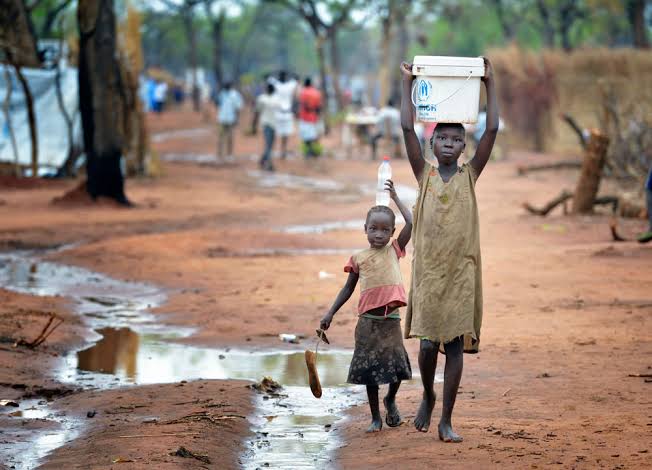
Borno State, located in northeastern Nigeria, has faced numerous challenges in recent years. Among the most pressing issues is the dire need for a new water treatment plan. Clean and safe drinking water is a fundamental human right, yet many residents in the region continue to suffer from inadequate access to potable water. This feature article aims to draw attention to the urgent necessity for improved water treatment facilities in Borno State, emphasizing the implications for public health, economic development, and community resilience.
Historical Context
Borno State has a rich history, but it has also been marred by conflict and displacement due to insurgency. These challenges have exacerbated the water crisis, leading to the deterioration of existing water treatment facilities. Many plants that once provided clean water are now in disrepair, leaving communities reliant on contaminated sources. This has led to an increase in waterborne diseases, further straining the already fragile healthcare system.
Current Water Supply Situation
The current water supply situation in Borno is alarming. According to recent reports, only about 20% of the population has access to reliable drinking water. Many families resort to unsafe water sources, including rivers and open wells, which pose significant health risks. This situation highlights the urgent need for a comprehensive and modern water treatment plan that can cater to the population’s needs.
Public Health Implications
The lack of safe drinking water has serious public health implications. Waterborne diseases such as cholera, typhoid fever, and dysentery are rampant in communities with poor water quality. These diseases disproportionately affect vulnerable populations, including children and the elderly. A new water treatment plan would significantly reduce the incidence of these diseases, improving overall health outcomes and reducing the burden on healthcare facilities.
Economic Development Impact
Access to clean water is not only a public health issue but also a critical factor for economic development. Businesses thrive in environments where basic utilities, such as water, are readily available. The absence of a reliable water supply hinders agricultural productivity and affects local industries. By investing in new water treatment facilities, the government can foster economic growth and create job opportunities for the people of Borno State.
Community Resilience and Empowerment
A new water treatment plan would empower communities by providing them with a vital resource for self-sufficiency. Access to clean water enhances community resilience, enabling residents to engage in productive activities without the constant threat of illness. Furthermore, involving local communities in the planning and management of water resources can promote ownership and sustainability.
Government Responsibilities
Both the federal and Borno State governments have a crucial role to play in addressing the water crisis. It is essential for government agencies to prioritize the development of modern water treatment infrastructure. This includes not only building new plants but also rehabilitating existing facilities to meet current standards. Collaborating with international organizations and NGOs can provide additional resources and expertise to support these initiatives.
Funding and Investment Opportunities
To realize the vision of a new water treatment plan, substantial funding is required. The government should explore various financing options, including public-private partnerships, international aid, and grants from development agencies. By investing in water treatment infrastructure, the government can yield significant returns in terms of improved health, productivity, and economic stability.
Technological Innovations
Advancements in water treatment technologies present a unique opportunity for Borno State. Innovative solutions, such as solar-powered water treatment plants and mobile water purification units, can enhance access to clean water in remote areas. Embracing these technologies can lead to more sustainable and efficient water management practices.
Engagement with Stakeholders
Engaging with stakeholders is vital to the success of any water treatment initiative. The government should involve community leaders, health experts, and civil society organizations in the planning process. Their insights can help tailor solutions to the specific needs of the communities, ensuring that the new water treatment plan is effective and sustainable.
Educational Campaigns
In conjunction with the development of new water treatment facilities, educational campaigns are essential. Raising awareness about the importance of clean water and hygiene practices can empower communities to take charge of their health. Schools, local organizations, and media outlets can play pivotal roles in disseminating this information.
The Role of International Partnerships
International partnerships can provide much-needed expertise and resources for water treatment initiatives. Collaborations with organizations specializing in water and sanitation can enhance the effectiveness of local efforts. The federal government should actively seek partnerships that can bring innovative solutions and funding to Borno State.
Monitoring and Evaluation
Implementing a new water treatment plan requires robust monitoring and evaluation mechanisms. Establishing clear benchmarks and performance indicators will help assess the effectiveness of the initiatives. Continuous feedback loops can inform adjustments and improvements, ensuring that the plan meets its objectives.
The Path Forward
The path forward for Borno State involves a comprehensive and multi-faceted approach to water treatment. It requires the commitment of both federal and state governments, collaboration with various stakeholders, and active community engagement. The challenges are significant, but the potential benefits of a new water treatment plan are immense.
Borno State’s water crisis is a pressing issue that demands immediate attention. A new water treatment plan is not just a necessity; it is an opportunity for improved public health, economic development, and community empowerment. The time for action is now. The federal and Borno State governments must prioritize investments in water treatment infrastructure to secure a healthier and more prosperous future for the people of Borno State. Failure to act could mean continued suffering for thousands, a future where the promise of clean water remains unfulfilled.
Maryam Bulama a 300 level student from Mass Communication Department Borno State University, Maiduguri Borno State.



Abebe Selassie to Retire as Director of African Department at IMF -By Kestér Kenn Klomegâh
Concessional financing to counter rising borrowing costs, with Africa paying up to 5 times more in interest than advanced economies...


Singapore’s Leaders Built An Economy; Nigeria’s Keep Building Excuses -By Isaac Asabor
Singapore paired economic growth with social stability. Through the Housing Development Board, the government built large-scale public housing, providing affordable...


Tax Considerations for CFD Traders in South Africa: What Experienced Traders Should Know
What looks like a sweet profit on your platform screen can shrink fast once the tax bill hits. When you're...


Russia–India Dialogue Provides Platform for Strengthening Bilateral Entrepreneurship -By Kestér Kenn Klomegâh
The Dialogue was organized by the Indian Business Alliance, the Business Council for Cooperation with India, the Government of Moscow,...


The Kampala Declaration: How African Youth Can Lead Food System Transformation to Accelerate the Achievement of Zero Hunger by 2030 -By Emeka Christian Umunnakwe
If Africa is serious about achieving Zero Hunger by 2030, these perceptions must be confronted with deliberate action. Young people...