
Forgotten Dairies
Africa’s Crisis of Military Coups and Insecurity -By Safiya Zakari Muhammad
The erosion of democracy has also weakened regional and international security cooperation. In some cases, juntas have expelled traditional partners and turned to alternative actors, including Russian-linked mercenary groups, further complicating security challenges and increasing civilian harm.

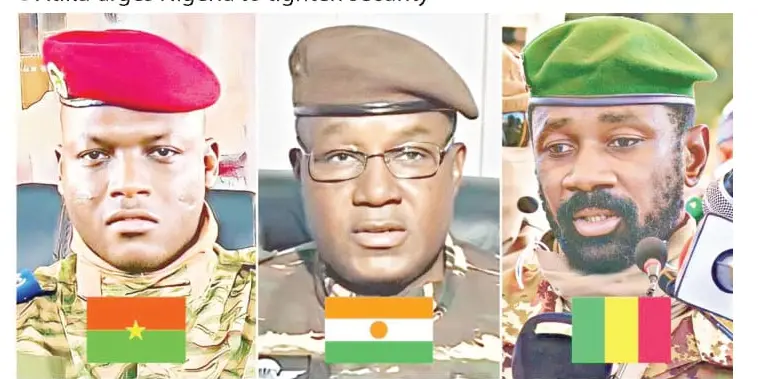
Africa has experienced a growing wave of military coups over the past decade, posing a serious threat to civian-led democratic governance. These coups are rooted in long histories of military rule, weak institutions, and attempts by armed forces to reclaim political power they believe they are entitled to hold.
Across countries such as Mali, Guinea, Burkina Faso, Niger, Chad, and Sudan, military juntas have overthrown elected governments, often promising short transitions to civilian rule. In practice, however, these juntas have delayed or manipulated transitions through controlled constitutional referendums, repression of dissent, and consolidation of power.
Rather than improving security, military rule has coincided with worsening insecurity, particularly in the Sahel. Militant Islamist violence has expanded significantly, with over 150,000 deaths linked to extremist groups in the past decade, driven largely by instability in Mali, Burkina Faso, Niger, and Somalia. Despite aggressive propaganda campaigns, security, economic, and humanitarian conditions have deteriorated under junta governments.
The erosion of democracy has also weakened regional and international security cooperation. In some cases, juntas have expelled traditional partners and turned to alternative actors, including Russian-linked mercenary groups, further complicating security challenges and increasing civilian harm.
Research consistently shows that coups and term-limit evasions are closely linked, both contributing to autocracy, corruption, conflict, and recurring political instability. Legislatures, oversight institutions, and accountable security sector governance are identified as critical but often undermined under military regimes.
Overall, accommodating military juntas has amplified insecurity, economic hardship, and humanitarian crises, rather than resolving them. SuSustainable peace and stability in Africa depend on restoring constitutional order, strengthening democratic institutions, ensuring civilian oversight of the military, and imposing meaningful regional and international consequences on unconstitutional seizures of power.


Africa’s Crisis of Military Coups and Insecurity -By Safiya Zakari Muhammad
The erosion of democracy has also weakened regional and international security cooperation. In some cases, juntas have expelled traditional partners...


Governor Uba Sani’s Resolute Commitment On Rural Development -By Abdulrashid Sani Gimi
In the long run, the 2026 fiscal strategy transcends conventional budgetary practice. With a total outlay of ₦985.9 billion, a...

Lack of Financial Support Holding Back Russia’s Economic Influence in Africa: A Case Study of Missed Opportunities in Nigeria -By Kestér Kenn Klomegâh
As Africa's largest economy, Nigeria cannot afford another decade of promises without projects. The future of its development lies with...


The Impact Of Social Media On Youth Mental Health -By Jemimah Hezekiah
Governments and tech companies also have a role to play. Enforcing anti-cyberbullying policies, offering digital literacy programs, and providing mental...

Every Night We Pray to Survive: Voices from Insecure Communities -By Rinret istifanus
As the nation debates policies and strategies, these voices remind us that insecurity is not just a headline it is...