
Global Issues
Coups And Democracy In Africa -By Ibrahim Mustapha Pambegua
A key step is to establish necessary institutional structures and conditions to improve governance to forge stronger social contracts between citizens and their governments to make it difficult for unconstitutional changes of government. To achieve this, African states should promote more participatory democracy and equitable development, including the youth. The AU, African RECs, the UN, and other international partners must demonstrate resolve in condemning coups and support policies and institutions that help uphold democratic governance.

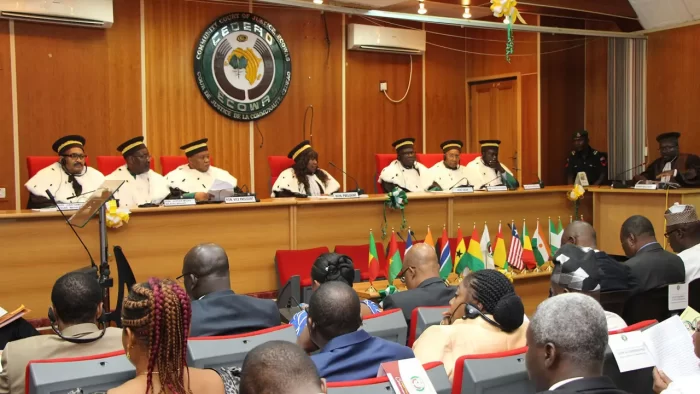
Baring any change of decision, the West African bloc, ECOWAS, will take military action against the military junta which staged coup that toppled the democratically president of Niger republic, Muhammadu Bazoun, on July, 26th. Since the unfortunate coup, all efforts by ECOWAS and other foreign organization to force the coupists to surrender, release and reinstate the deposed president who is currently being taken hostage have failed. The imminent coups which are sweeping the sahel West African countries, threatening constitutional democracy have become an issues of great concern. Between 2020 and 2023,four countries: Mali, Burkina Faso, Guinea and the Niger republic have experienced coup. Historically, African countries had suffered bloody military coups in the early 60’s and the late 80’s in their match to democratical rule. The military, through unconstitutional or unlawful means, seized power, brutally killed the leaders and truncated democracy. But with African embraces and adopts democracy in 90’s, military coup has since become unpopular and old passion.
However, despite the facts democracy remains the best government compares to the military rule, the system which provide an avenue for elections, has been muzzled and it’s cherished principles or values subverted by the desperate African leaders. Democracy in Africa is synonymous with rigging, violence and sitt-tism. Political leaders who rose to power through ballot box quickly turned to despots and exploit our weak institutions to elongate their tenure. Little wonder, over the last several years, military juntas in and near the Sahel seized power in countries spanning the African continent, from Guinea on the Atlantic coast to Sudan on the Red Sea. This has further promoted instability, undermines democratic progress and human rights, and accelerate cycles of violence in countries already wracked by conflict.
Besides, there are multiple factors that are driving the rise in coups in the Sahel countries these include: economic mismanagement, corruption, poverty, violent extremism and the failure of overwhelmed governments to resolve grievances over resources and progress of social justice. The recent coup in Niger and other sahel countries could be attributed to the failure of democracy to improve the living condition of the majority. While ECOWAS and other African Union have unanimously condemned the coup in Niger, slammed economy sanctions to force the junta
to backtrack, African countries that are practicing democracy should sit up. Democracy entails rule of law, good governance and accountability.
Also, the extent to which coups can be deterred in Africa depends on mutual trust between the government and how it best serves its people. A key step is to establish necessary institutional structures and conditions to improve governance to forge stronger social contracts between citizens and their governments to make it difficult for unconstitutional changes of government. To achieve this, African states should promote more participatory democracy and equitable development, including the youth. The AU, African RECs, the UN, and other international partners must demonstrate resolve in condemning coups and support policies and institutions that help uphold democratic governance.
Ibrahim Mustapha Pambegua, Kaduna state. 08169056963.



When Nations Break Their Reformers: Why EFCC Cannot Carry Nigeria’s Burden Alone — And Why Power Must Fear God -By Prof. John Egbeazien Oshodi
Public frustration with the EFCC over perceived selective enforcement is understandable. Nigerians see some arrests carried out suddenly and forcefully,...


Poor, Poor, Maduro -By IfeanyiChukwu Afuba
Little wonder his ouster elicited celebrations. The ease of his capture is telling. There is only one explanation for the...


Why African Leaders Must Fix Governance Before Crying Sovereignty -By Isaac Asabor
One of the great contradictions of African leadership today is selective morality. Leaders speak passionately about international law while violating...

Baba Has Entered The Classroom -By Isaac Asabor
If what Trump is doing is walking into a noisy global classroom and insisting on discipline, then let us be...

As Trump Exposes Why Tinubu Must Go Sooner -By SKC Ogbonnia
The Nigerian president is not only culpable of heinous crimes, but he is also weakened beyond redemption. His continued stay...