
Democracy & Governance
COVID-19: Why We Must Uphold the Rights and Dignity of the Elderly During this Pandemic -By Ohaga Ohaga

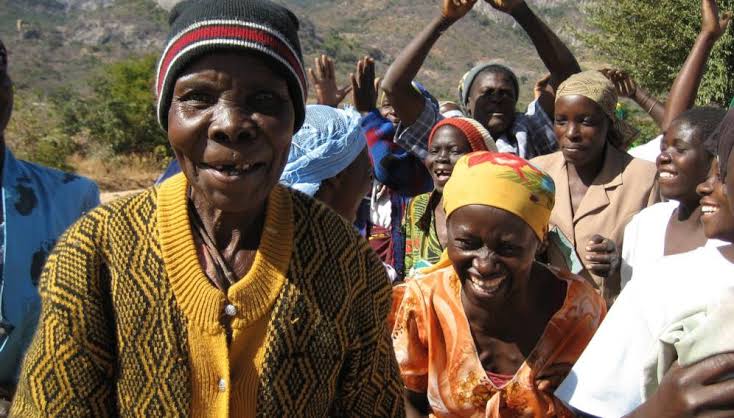
The elderly in most communities are largely a neglected lot. They are considered a liability, sometimes a bother. While other families do right by them and provide them with all the care and love and treat them with the utmost respect, most don’t.
The elderly are often the last to know what is happening around them and even if they do, they can hardly do anything to adapt to the new reality. Many of them depend entirely on their children often who are too busy with their own lives and chooses to delegate their role to the grandchildren. The grandchildren who are least concerned with the old do very little to improve the situation.
In some instances, the grandchildren who are supposed to care for them are the same who abuse them financially through theft of property, extortion or exploitation. At 70, many of the elderly amongst us live solitary lives separated from their children and friends.
In some communities, the elderly are a heavily stigmatized lot predisposed to all manner of treatment including physical, sexual, psychological, emotional, and verbal abuse. Growing old is a dreaded fete in some communities for instance, in Kenya, some communities have been unidentified to be very hostile towards the elderly. In 2017, authorities identified Tana River, Kirinyaga Kilifi, Kwale, Kisii, Nyamira counties among others to be dangerous places for the elderly. Of concern is that as much as these mistreatments of the elderly persist, abuses are hardly reported due to fear of victimization or retribution by the perpetrators.
What the law says
Under Article 57 of the Kenyan Constitution, the State is expected to take measures to ensure the rights of older persons including (a) to fully participate in the affairs of society; (b) to pursue their personal development; (c) to live in dignity and respect and be free from abuse; and (d) to receive reasonable care and assistance from their family and the State. But even so, many of them still suffer in silence.
Of significance is the lack of media reports on the plights of the elderly. With the lack of reports, the relevant authorities do not prioritize their issues. Meaning that the laws and policies to protect their interests are hardly enforced.
In Kenya, civil servants are expected to retire at 60 years old. This means that if you are still employed after this age then as an older person, you are likely to suffer some form of discrimination based on age. Ageist jokes are common in offices where the old and the young share as the younger colleagues always assume the old are senile. Since there are fewer individuals above 60 working in offices, their issues hardly get mentioned because there’s is no representative to fight for fair policies and address their concerns.
All said and (un)done, we must all be cognizant of is the irrefutable fact that if we died today, we will all grow old someday. If this is how we treat our parents at old age then it’s certainly the same way our children will treat us.
That the elderly live like this is saddening enough, but with COVID19 things have certainly even become more difficult. COVID-19 pandemic has changed lives as we knew it and threatened the very existence of humankind. The disease demands social distancing, minimum contacts, sharing of closed spaces, among others.
For the elderly who depends on being cleaned and moved and cared for are more at threat of neglect and suffering and dying from the disease.
In a New Chinese Study titled The Epidemiological Characteristics of an Outbreak of 2019 Novel Coronavirus Diseases (COVID-19) and published by China Centre for Disease Control and Prevention (CDC) weekly journal, the study revealed that older people above 60 years are the most-at-risk regarding COVID-19. The data compiled by the Chinese CDC used 72,314 patient records in their analysis and focused on 44,672 confirmed cases of the virus. The study found that the fatality rate for people over 80 from COVID-19 is almost 15%. The highest percentage amongst all the cohorts followed by those between 70-79 at 8% and 60-69 at 4% it revealed.
On April 2, Henri P. Kluge, World Health Organization (WHO) Regional Director for Europe, reminded governments and authorities that all communities must be supported to deliver interventions to ensure older people have what they need. ‘All older people should be treated with respect and dignity during these times’. Remarked Kluge.
Why are the elderly more vulnerable to coronavirus?
Experts believe that the elderly are considered to be more vulnerable to COVID19 due to physiological changes that are associated with aging and probable underlying health conditions.
According to an article published in the World Economic Forum website, on March 12, Dr. Kate Tulenko, a physician and CEO of Corvus Health, said that older people don’t have a strong immune system so they are more vulnerable to infectious disease.
Two, they’re more likely to have conditions such as heart disease, lung disease, diabetes, or kidney disease, which weaken their body’s ability to fight infectious disease.
Three, in many countries, they are more likely to be in institutionalized settings like a nursing or retirement home, or living with family in a more crowded situation where there’s a greater risk of infection. Four, the elderly might also have isolation or mobility challenges. So, because they’re isolated, they can’t get information about what to do, or they’re not able to get the food they need if stores are out of stock and things become more difficult.
Dr. Hans Henri P. Kluge, WHO Regional Director also noted during his address on April 2 that over 95% of COVID-19 deaths were of those older than 60 years. ”More than 50% of all deaths were people aged 80 years or older. We also know from reports that 8 out of 10 deaths are occurring in individuals with at least one underlying co-morbidity, in particular those with cardiovascular diseases/hypertension and diabetes, but also with a range of other chronic underlying conditions” Dr. Kluge said.
Way forward
One way of helping the elderly during these difficult times is to have the media do more reports highlighting their plights. This way, the government gets to know about the challenges and concerns of the elderly. The elderly may not have a voice but the media do and the elderly can certainly benefit from that voice.
The government and its relevant agencies also follow up and have the laws protecting the elderly enforced.
Children to prioritize the wellbeing of their elderly parents by visitation and family re-unions. We must inculcate the culture of treating our elders with care, love, and respect – not just during times of adversity but at all times.
The elderly to be reminded by their caretakers to observe COVID-19 directives such as social distancing, wearing of masks, and regular and proper handwashing and to limit movement unless necessary. Caregivers can also help with supplies and groceries.
As said by Dr. Kluge, policies for healthy aging have to stay high on government policy agenda. All communities must be supported to deliver interventions to ensure older people have what they need.
The government of Kenya can also help with the distribution of food subsidies, offering weekly stipends to cater for food, basic supplies, and medication.
The elders in isolation and quarantine centers to be monitored through caregivers and attended to immediately.
The government to provide accurate information through the dissemination of clear messages on how the elderly can protect themselves during the pandemic and options if they acquire the virus.
Lastly, allow me to borrow Henri P. Kluge’s remark by saying that “Supporting and protecting older people living alone in the community is everyone’s business,”
Ohaga Ohaga is a Kenyan Journalist, Writer, and Communication Specialist with special interest in Media Law and Political Communication. He remains a close observer of, and participant in, Journalism and the Media.


Why African Leaders Must Fix Governance Before Crying Sovereignty -By Isaac Asabor
One of the great contradictions of African leadership today is selective morality. Leaders speak passionately about international law while violating...


Baba Has Entered The Classroom -By Isaac Asabor
If what Trump is doing is walking into a noisy global classroom and insisting on discipline, then let us be...

As Trump Exposes Why Tinubu Must Go Sooner -By SKC Ogbonnia
The Nigerian president is not only culpable of heinous crimes, but he is also weakened beyond redemption. His continued stay...


How Lavrov’s Philosophy of “Ubuntu” Reflects on the Level of Africa’s Media Presence in Russia -By Kestér Kenn Klomegâh
The December 19–20 Ministerial Conference reaffirmed commitments to fully implement the Russia–Africa Partnership Forum Action Plan (2023–2026), adopted at the...

Why Trump’s Move Against Maduro Makes Sense -By Isaac Asabor
Trump’s decision also invites other nations to step up, to reconsider their passive complicity in the face of egregious abuse....