
Breaking News
Empty Arenas and Cancelled Shows: Burna Boy Highlights the Global Reach of Cancel Culture
Burna Boy’s Denver concert controversy highlights the power of cancel culture. From empty arenas to cancelled shows, global fans and peers scrutinize celebrity actions in real time.

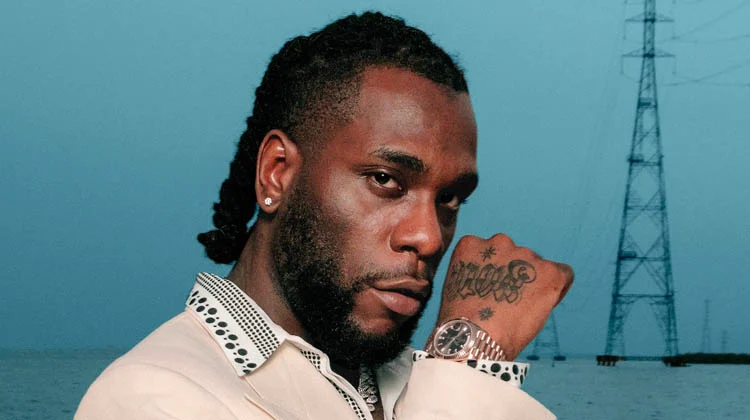
Fame does not exist in a vacuum. Whether in music, literature, or film, celebrities wield influence simply by virtue of visibility—and with it comes intense scrutiny. Sometimes, they become architects not just of their own fame, but of their own controversy.
Nigeria’s Grammy-winning Afrobeats superstar Burna Boy is a case in point. His global success has put him on the world stage, but in the age of social media, every action is instantly magnified. His career demonstrates how quickly public admiration can turn to criticism, particularly under the lens of cancel culture.
Denver Controversy: The Incident That Sparked Debate
The controversy began during a recent concert in Denver, Colorado, when Burna Boy asked a couple to leave after the woman appeared to be sleeping. Defending his decision on social media, he argued that performers are entitled to maintain respect and decorum. “Even talent does not give fans the right to disrupt a performance,” he said, comparing it to passengers upsetting pilots or students disrupting classrooms.
The incident sparked widespread debate: should artists be beyond reproach because of their talent? Do fans have a right to intervene when a star’s actions seem objectionable? The questions resonate globally, reflecting the stakes of modern celebrity behaviour.
Global Reactions: Eminem, Rihanna, and the International Lens
The Denver incident drew reactions from international stars. Eminem called the act “not cool,” while Rihanna described it as “not too ok,” highlighting the interconnectedness of the modern music industry. A decision in one city can ripple across the globe, shaping opinions among fans, peers, and the media.
Other global examples echo this pattern. Chris Brown faced severe backlash after assaulting Rihanna, resulting in concert bans and widespread protests. Kanye West endured a global boycott following antisemitic and pro-Nazi remarks, with cancelled appearances and petitions against him. In both cases, reputational damage was later mitigated through apologies and strategic public messaging.
Tour Fallout: Cancelled Shows and Empty Arenas
Following the Denver incident, some of Burna Boy’s U.S. tour dates reportedly faced cancellations. While exact figures are unverified, these disruptions illustrate how social media backlash can instantly affect an artist’s commercial and cultural reach.
Burna Boy’s experience highlights a broader reality: cancel culture is now a global phenomenon. Actions in one location can provoke worldwide reactions, impacting reputation, revenue, and public perception. From Lagos to Denver, celebrity conduct is scrutinized in real time, with fan expectations, peer responses, and media narratives creating high stakes.
Local Dynamics: Naira Marley and Yul Edochie
In Nigeria, cancel culture follows similar patterns but with local nuances. Artists like Naira Marley and actor Yul Edochie have faced significant backlash for perceived missteps.
Naira Marley, known for provocative lyrics and controversial commentary, has repeatedly faced online outrage, including boycotts. Yet his loyal fanbase, the “Marlians,” has helped revive his career, showing the unpredictable, often temporary nature of online cancellation.
Yul Edochie experienced backlash after making statements perceived as divisive, prompting social media condemnation. Over time, the public attention subsided, allowing him to continue his professional work.
These cases show that cancel culture in Nigeria, while impactful, is volatile: it can impose immediate reputational costs but often fades depending on fan loyalty and cultural context.
Conclusion: Fame, Accountability, and Public Opinion
Empty arenas and cancelled shows are more than financial losses—they are indicators of a world where fame, accountability, and public opinion intersect with unprecedented intensity. Burna Boy’s experience, alongside Naira Marley, Yul Edochie, and international stars, demonstrates that cancel culture has become a defining feature of modern celebrity: unpredictable, emotionally charged, and capable of reshaping careers across borders.
Opinion Nigeria News



Role of Youths in Nation Building -By Kusompwa Lazarus Motiyedi
It is true that today’s youth did not experience the horrors of the Nigerian Civil War or the severe economic...

Putin Receives Newly Appointed Foreign Ambassadors in Bolshoi Kremlin Palace -By Kestér Kenn Klomegâh
According to him, the foundations of these relationships were laid back during the struggle of African peoples for freedom and...

Why Obi Cubana Shouldn’t Have Given His Life to Jesus (Part 1) -By Ugochukwu Ugwuanyi
But then, why the fuss about Obi Cubana's repentance, what with the American Rap King, Snoop Dog, repenting from gangsterism...


Invincible Defence Technology: Consciousness-Based Solutions to Interstate and Intrastate Violence -By Dr. David Leffler
Technology refers to the systematic application of knowledge and tools. In the case of IDT, this brain-based “technology” is the...

Amnesty International’s Selective Outrage And The Sowore Narrative -By Kelvin Adegbenga
Amnesty International also appears to suffer from institutional amnesia. It is on public record that the Nigerian Army once called...