
National Issues
Ethnicity Underdeveloped Nigeria, Nigerians, And The Local Communities -By Hon. Zaiyanu Mato
Culture and conflicts in politics, if you are watching television and other social media you will see that The United Nations and the leaders of the international community now spend more of their time addressing the conflicts arising from ethnicity and religion in Africa, Asia and the East European countries than the time they spend on other issues.

Ethnicity, region and religion played, a vital or important role in politics of Nigeria, and other local communities as in almost all other countries and other neighbouring communities around the world, thus, this result to chaos and disorganisation to the youths and elders of its societies. there is nothing in the real empirical evidence from Nigerian election, and other local communities which justifies the way Nigerian politics is mis-interpreted as being mostly a matter of ethnic and regional solidarity and conflict all over. From the simplification of this outlook is just the mis-interpretation of the political realities of Nigeria which serve as a weapon, or tool for the Crusades against the corporation and core existence of the country, However, this make the sociocial, cultural economics, religion, political,and economic development of its people chronic and incapacitated, Which always underdeveloping a society.
Culture and conflicts in politics, if you are watching television and other social media you will see that The United Nations and the leaders of the international community now spend more of their time addressing the conflicts arising from ethnicity and religion in Africa, Asia and the East European countries than the time they spend on other issues. See how Nigeria spending time on addressing issues of covid-19 and abandoned the the issue of vandict, religion ethnicity like that of Boko Haram issues must be addressed urgently with precautions. This ethnicity in politics and religion have polarize many society along ethnic, political and religious lines.” Syria, Afghanistan, Libya, Burundi , Chad, Rwanda , sudan, Egypt and morocco. in the West Africa sub-region, including Nigeria, have passed through the tunnel of crisis like that of Boko Haram and Shi’at, nomadic Fulani cattle reares remanating from inter-cultural and religious conflicts.
Culture is one of those perceptible elements that is learn, shared, intergrated, that define the identity of a people. It describes the character and characteristics, idea and ideology of people also manners and mannerisms of a people living in a community, and influences the attitudes and behaviour of the people. Infact it’s a total way of life of people in a living community. Each cultural identity in Nigeria has a set of values, folk laws that distinguishes one community from the other, and no community is ready to compromise its cultural identity in the interests of the other communities. noted! that ethnicity usually undergoes an evolutionary process whereby it starts as a latent and accommodating feeling, and later become brew or propelled as a weapon of hostility, that brings about conflict and bitter tensions. hostility and conflicts arises from self determinism of an ethnic nationality probably associated with the effort made by the people to promote and sustain solidarity of their ethnic identity in the face of others. The major problem facing Nigeria today is the incapability of the federal government to resolve the issues regarding ethnicity and religion conflicts. Although, Nigeria is a secular state, the country shares the attributes of Christianity and Islamic religion, depending on the religious inclination of the incumbent president and state governors and local government chairman.
Ethnicity and religion have considerable influence on the voting patterns of the Nigerian electorate. Example my state and local government (Toro) where many tribes and the life of others are in jeopardy because of ethnicity. This solidarity of ethnicity among many tribes and core Hausa Fulani communities have resulted to strong fighting between the Fulani, Hausa speaking people, and other minority tribe which ruin the political system of Toro. Example from 2015 to date. From CPC to APC and PDP. From the governotorial candidature down to the national lawmakers and state lawmakers there was this dichotomy of ethnicity.
Although the federal government often stresses the need for the citizens to put national interest above ethnic and religious considerations, yet there is no politician in Nigeria who will win an election without the support of the members of his or her ethnic nationality. This is why most politicians tend to give priority attention meeting needs of their ethnic nationalities even at the detriment of national interest. Unfortunately, the present Nigerian political system has no provision for the members of the minority ethnic groups becoming president, governor, national lawmakers, and state lawmakers. Nigeria without the support of the major ethnic nationalities in the country. There must be a debate about agitations for secession and the call for an amendment on the present structure of the Nigerian political system, this reconciling will protect in dividing lines between and among ethnic nationalities and religious institutions in Nigeria, Nigeria is a multi-lingual society having 374 ethnic nationalities that speak 348 languages.
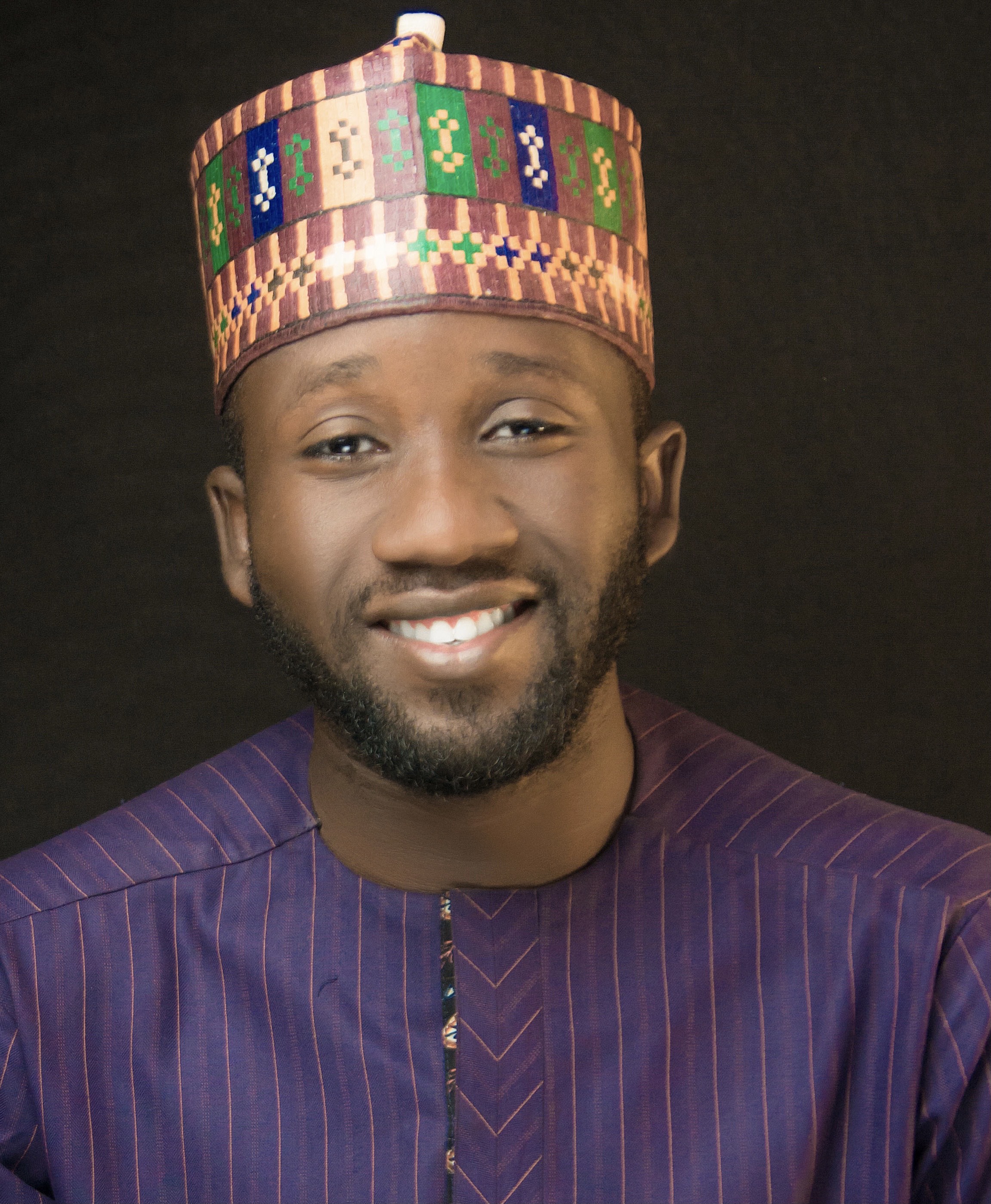
Hon. Zaiyanu Mato.


China Finances New ECOWAS Headquarters -By Kestér Kenn Klomegâh
In accordance with the agreement concluded between the ECOWAS and the Government of China, the building by the Shanghai Construction...

The Arrest Of Nicholas Maduro By The US And Other Matters -By Hajia Hadiza Mohammed
Since the advent of the current administration, the country has been weaken internally with self-serving leaders insensitive to the yearnings...

When Nations Break Their Reformers: Why EFCC Cannot Carry Nigeria’s Burden Alone — And Why Power Must Fear God -By Prof. John Egbeazien Oshodi
Public frustration with the EFCC over perceived selective enforcement is understandable. Nigerians see some arrests carried out suddenly and forcefully,...
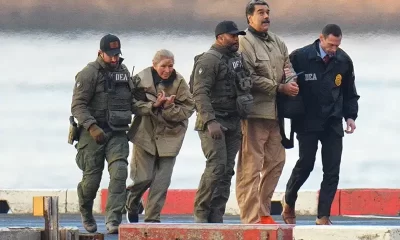

Poor, Poor, Maduro -By IfeanyiChukwu Afuba
Little wonder his ouster elicited celebrations. The ease of his capture is telling. There is only one explanation for the...


Why African Leaders Must Fix Governance Before Crying Sovereignty -By Isaac Asabor
One of the great contradictions of African leadership today is selective morality. Leaders speak passionately about international law while violating...