
Democracy & Governance
Every Night We Pray to Survive: Voices from Insecure Communities -By Rinret istifanus
As the nation debates policies and strategies, these voices remind us that insecurity is not just a headline it is a lived experience. It is the mother awake at midnight, the child startled by every noise, the farmer afraid of his own land. Until safety is restored, many communities will continue to face the night with folded hands and hopeful hearts, praying to see another dawn.

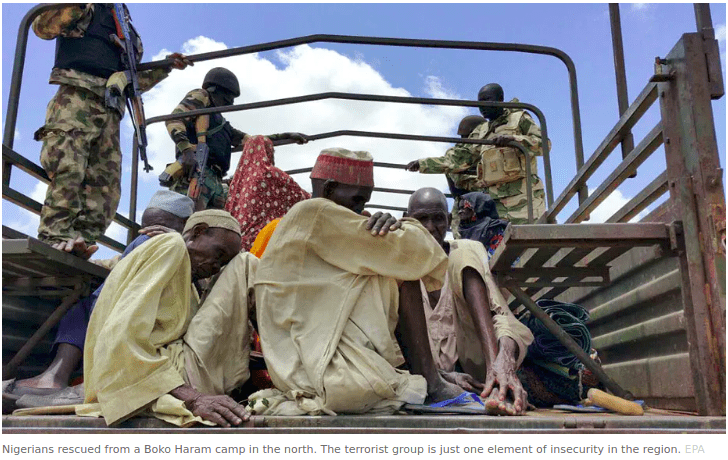
As darkness falls, fear rises. In many communities across the country, night no longer brings rest it brings anxiety. Doors are bolted early, lamps are dimmed, and families whisper prayers instead of bedtime stories. For thousands of people living in insecurity-hit areas, survival has become a nightly ritual.
In a small rural settlement, nanlop a mother of four, says sleep is a luxury she no longer enjoys. “When the sun goes down, we don’t sleep. We listen, she explains. Every sound feels like danger. Every night we pray to survive till morning. Her words echo the reality of many families whose lives have been disrupted by armed attacks, kidnappings, and violent raids.
Farmers, once the backbone of these communities, now work their lands with fear. Many farmlands have been abandoned after repeated attacks, leaving families without food or income. Musa, a middle-aged farmer, recalls the night his village was attacked. They came without warning. We ran into the bush with nothing. Since then, I fear going back to my farm. Hunger is bad, but death is worse.
Women and children bear a heavy burden. Children grow up learning the sound of gunshots before they learn their alphabets. Schools shut down or operate irregularly, forcing many pupils out of classrooms and into uncertainty. My children ask why they can’t go to school like others, says Janet a widow living in bokkos,tenti. How do I explain fear to a child?
The psychological toll is immense. Trauma, grief, and constant stress have become part of daily life. Communities once known for togetherness now live in silence, suspicious of strangers and even neighbors. Traditional night gatherings and celebrations have disappeared, replaced by curfews and self-imposed lockdowns.
Despite the fear, resilience persists. Community vigilantes, local leaders, and youth groups try to protect what remains of their homes, often with limited resources. Religious centers have become places of refuge and healing, where people gather to share stories, comfort one another, and pray for peace.
However, prayers alone are not enough. Residents continue to call for stronger security measures, timely intelligence, and genuine government intervention. They ask not for luxury, but for the basic right to live without fear. “We don’t want special treatment,” Musa says quietly. “We just want to sleep.”
As the nation debates policies and strategies, these voices remind us that insecurity is not just a headline it is a lived experience. It is the mother awake at midnight, the child startled by every noise, the farmer afraid of his own land. Until safety is restored, many communities will continue to face the night with folded hands and hopeful hearts, praying to see another dawn.


Every Night We Pray to Survive: Voices from Insecure Communities -By Rinret istifanus
As the nation debates policies and strategies, these voices remind us that insecurity is not just a headline it is...


The Cost of Building: Reflections from Inside Northern Nigerian Governance -By Naufal Ahmad
We need a new ethic of engagement. I’m not saying don’t question leaders. I’ve been an internal critic for most...


Genotype Confirmation: Why It Must Be Included As Part Of The Elements Of Marriage -By Tajudeen Abdulrauf Dasuki
Sickle cell is not a mere disease , that we count as minor issue, it is only those have it,...

Between The Palace And The Police: Where Does Justice For Don Pedro Obaseki Lie? -By Isaac Asabor
Justice cannot lie in fear. It cannot lie in mobs. It cannot lie in silence. Justice lies in a firm...


“I Will Tell Trump For You”: Nigeria’s Age-Old Habit Of Outsourcing Accountability -By Isaac Asabor
The problem is that Nigeria’s “big brother” is rarely in a position to intervene meaningfully. Tweets, speeches, and public condemnation...