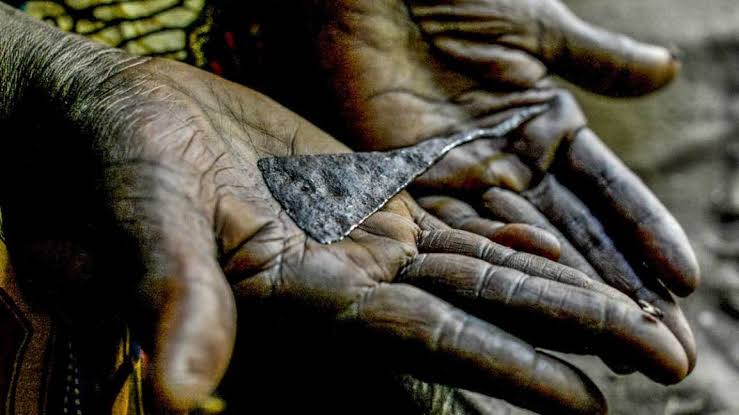
Female circumcision, also known as female Genital mutilation (FGM) or female genital cutting (FGC), is a traditional harmful practice that involves the partial or total removal of external female genitalia. FGM is procedure where the female genitals are deliberately cut, injured or changed, but there’s no medical reason for this to be done and is often performed on girls between infancy and adolescence.
The exact origin of FGM is unknown, but it is believed to have started in ancient Egypt over 2,000 years ago. From there, it has spread to other part of Africa, the Middle East and Asia. Today FGM is practiced in over 30 countries of the world and affect an estimated number of 200 million girls and women worldwide.
FGM is often justified by cultural and social norms that emphasize the importance of female virginity and purity. In some cultures FGM is seen as a way to ensure that girls stays virgin until marriage and to prevent them from engaging in promiscuous behavior. FGM is a form of gender based violence that perpetuates inequality and discrimination against girls and women.
FGM has severe and long-lasting implication for both physical and emotional well-being of young girls and women. This practice leaves them with lifetime of physical and emotional pain, the physical consequences of FGM include severe pain, bleeding and infection. Girls and women who undergo FGM are also at risk of developing a long time health problems such as chronic pain and complication during childbirth.
While the emotional consequences of FGM are just as severe, girls and women who undergo FGM often experience anxiety, depression and post-traumatic stress disorder, they feel ashamed and embarrassed in their community.
The practice of FGM is often justified by cultural and social norms, but it is not justified by any cultural or religious tradition in fact, many religious leaders have spoken out against the practice. Citing it harm and lack of basis in religious doctrine.
Nigeria has made significant progress in its efforts to eliminate female genital mutilation FGM, is a harmful practice that affect millions of girls and women worldwide. This progress is attributed to the effort of the Nigerian government, Non-governmental organization NGOs and community leaders who have been working together to raise awareness about the harmful effects of FGM and to promote laws and policies that protect girls and women from this practice.
FGM is a deeply establish practice in Nigeria particularly in the Southern regions where it is often seen as a necessary part of rising a girl and preparing her for adulthood and marriage. However despite this progress FGM remains a significant problem in Nigeria, particularly in rural areas where access to education and healthcare is limited.
To address this challenges, the Nigerian government and its partners must continue to work together to promote education, awareness, community engagement, particularly in rural areas.
Together we can create a world where girls and women are treated with dignity and respect, where they can live their lives free from the harm of FGM, by working together we can eliminate FGM in Nigeria and ensure that all girls and women are protected from this harmful practice.
We must all take a stand against FGM and work towards a world where all girls and women are free from the harmful practice of FGM, we owe it to ourselves, our daughters, our communities and our country to take action, fight and ensure that FGM is eliminated once and for all.
Martha Lalai, 300lvl student of Mass Communication, Borno state university.