
Political Issues
Go Together, Go Far: Women in Nigerian Politics -By Solomon Sharon Kai
When women are absent from decision-making, important issues that affect themlike maternal health, education, domestic violence, and economic inclusion are often ignored or not prioritized. Policies become male-centric, lacking the diversity of thought needed for balanced governance.

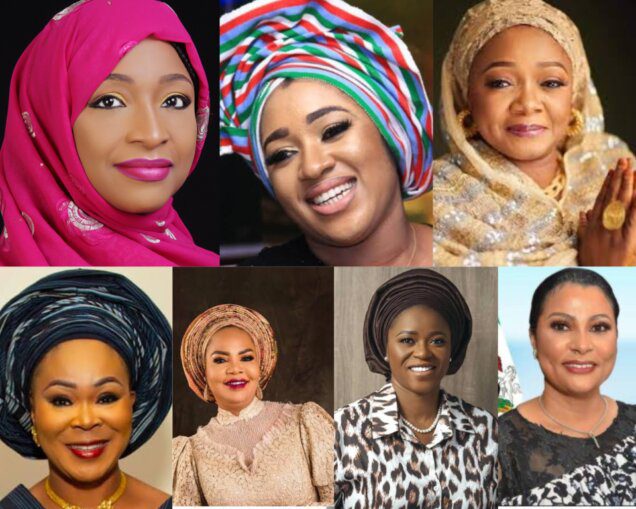
Politics is the engine of democracy, designed to reflect the diverse voices of a nation. In Nigeria, however, the political space remains largely male-dominated, with women playing minimal roles in decision-making. Despite their contributions to national development in various sectors, Nigerian women are still fighting for inclusion and recognition in politics a space that ought to be open to all, regardless of gender.
Although the Nigerian Constitution guarantees equal rights for men and women, its practical application often favors men. Women continue to face institutional, cultural, and financial barriers that limit their access to political participation. Their consistent exclusion has consequences not just for them, but for the country as a whole.
Patriarchal cultural norms deeply rooted in Nigerian society also deter women from participating in politics. Many communities still view politics as a man’s world, discouraging women from running for office or attending political gatherings. Women who do try often face societal stigma, gender-based violence, or character attacks.
Policy promises remain unfulfilled.Nigeria’s National Gender Policy advocates 35% affirmative action for women in governance, but it lacks constitutional enforcement. This makes it easy for political stakeholders to ignore the provision without facing any legal consequences, leaving women underrepresented at all government levels.
The result of these challenges is that women are significantly underrepresented. In the 2023 general elections, only a handful of women won legislative or executive seats out of thousands of available positions. This stark underrepresentation undermines democracy by failing to reflect the population’s gender balance.
Political parties serve as the gatekeepers to elected office, yet their structures are built in ways that often sideline women. Most parties are controlled by male elites who prioritize men in leadership and nomination processes. This makes it hard for women to rise through the ranks or gain strong political visibility.
One major barrier is the high cost of politics in Nigeria. Campaigns are expensive, and women who statistically have lower access to wealth and financial networks are at a disadvantage. Many cannot afford party nomination forms, logistics, or media publicity, making their campaigns less competitive compared to their male counterparts.
Educational and professional disparities also hinder many women. In parts of Northern Nigeria, cultural practices and poverty limit girls’ access to quality education, creating a ripple effect that restricts their opportunities in adulthood. Without education, aspiring women leaders often lack the skills and confidence needed for public office.
When women are absent from decision-making, important issues that affect themlike maternal health, education, domestic violence, and economic inclusion are often ignored or not prioritized. Policies become male-centric, lacking the diversity of thought needed for balanced governance.
Studies worldwide show that including women in politics leads to better governance. Countries with higher female representation tend to prioritize education, health, and social welfare. Women also often lead with integrity and community focus, which helps build public trust in political institutions.
To achieve meaningful inclusion, constitutional amendments must mandate gender quotas. Like in Rwanda and Senegal, legal backing for female representation ensures real power-sharing. Gender-based policies must be enforceable and linked to political party compliance.
Political parties should create internal systems that promote female leadership. These can include reduced nomination fees for women, targeted funding, mentorship programs, and media exposure. Political inclusion must go beyond symbolic gestures it must be structural and sustained.
The role of the media is also vital.Positive portrayal of women leaders in the media helps combat stereotypes and encourages public acceptance. Meanwhile, civil society groups should continue to campaign for women’s rights and build platforms that empower young girls to see politics as an achievable career.
Capacity-building and support networks are critical. Aspiring female politicians need access to leadership training, campaign tools, and professional mentorship. Women supporting women can create a ripple effect that raises a new generation of leaders equipped to thrive in Nigeria’s political landscape.
The time for inclusive politics is now Women in Nigeria are not asking for handouts they are demanding space to contribute meaningfully to nation-building. As half of the population, they deserve equal voice and representation. By reforming policies, breaking cultural barriers, and investing in female political leadership, Nigeria can move closer to a democracy that works for everyone. Indeed, when women go together, Nigeria will go far.


Russia’s Future Outlook With Africa Depends On Strategic Action Plan (2023-2026) -By Kestér Kenn Klomegâh
So many Russian speaking African experts who were trained by the Soviet Union can still bolster a Russian re-engagement with...


Manduro: How nations lose territories in peacetime – Lessons for Nigeria -By Ebuka Ukoh
Manduro reflects the same logic. Developing countries do not lose territory because their citizens suddenly change. They lose it because...

Abebe Selassie to Retire as Director of African Department at IMF -By Kestér Kenn Klomegâh
Concessional financing to counter rising borrowing costs, with Africa paying up to 5 times more in interest than advanced economies...

Singapore’s Leaders Built An Economy; Nigeria’s Keep Building Excuses -By Isaac Asabor
Singapore paired economic growth with social stability. Through the Housing Development Board, the government built large-scale public housing, providing affordable...


Tax Considerations for CFD Traders in South Africa: What Experienced Traders Should Know
What looks like a sweet profit on your platform screen can shrink fast once the tax bill hits. When you're...