
National Issues
Insecurity in Nigerian Communities: A Threat to Peace and Development -By Khadija Shuaibu Muhammad
To address this growing threat, government and community-based efforts must work hand in hand. Strengthening local security, investing in intelligence gathering, and supporting peace initiatives are essential. There must also be genuine commitment to tackling the root causes of insecurity, including poverty, unemployment, and lack of education.

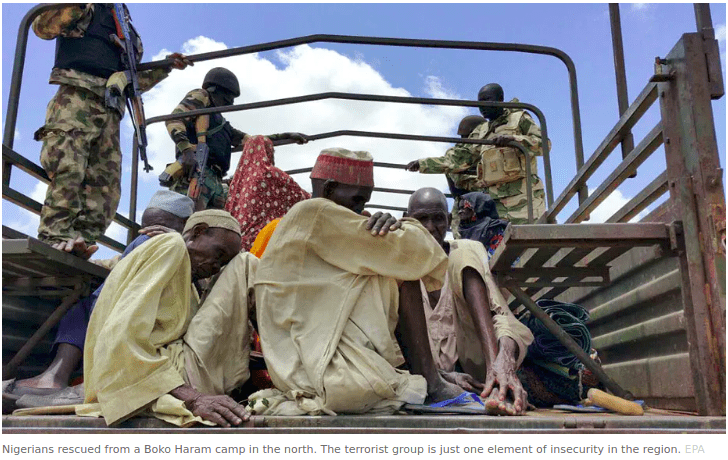
Insecurity has become a growing concern in many communities across Nigeria. What was once considered isolated incidents has now become widespread, with banditry, kidnapping, theft, and other violent crimes becoming part of daily life in several areas. The rising wave of insecurity is not only threatening the lives and property of citizens but also destroying the foundation of community peace and progress.
The lack of adequate security structures and swift response systems has made many communities vulnerable to attacks. In some regions, people live in constant fear, uncertain of when the next attack might occur. This atmosphere of fear and helplessness is deeply affecting social life, economic activities, and the general well-being of the people.
One major effect of insecurity is the breakdown of trust within communities. Fear breeds suspicion, and in many places, neighbors no longer trust one another. Farmers are afraid to go to their farms, traders hesitate to travel with their goods, and schools in affected areas have been forced to shut down, denying children their right to education.
Bandits and kidnappers now operate with alarming boldness, attacking highways, villages, and even urban areas. Many families have been displaced, while others have lost loved ones under tragic circumstances. This persistent state of insecurity has caused untold hardship and trauma for countless individuals and households.
The economic implications of insecurity are equally troubling. Investors are discouraged, businesses shut down, and unemployment continues to rise. Insecurity drives away development and leaves communities trapped in poverty and backwardness.
It is important to understand that security is not the sole responsibility of the government. Every member of the community has a role to play by reporting suspicious activities, promoting peace, and supporting local security initiatives. However, the government must also rise to its responsibility of protecting lives and property.
Security agencies need more support. They must be well-equipped, properly trained, and adequately motivated to confront criminal activities. Community policing and local vigilante groups should be empowered, but they must also be monitored to ensure professionalism and respect for human rights.
The root causes of insecurity—such as poverty, illiteracy, unemployment, and injustice—must be addressed. A society where young people are jobless and hopeless is more likely to experience rising crime. Education, skills acquisition, and social support programs can help steer the youth away from criminal activities.
Peacebuilding efforts should be encouraged in all communities. Religious and traditional leaders have a vital role to play in promoting unity, tolerance, and conflict resolution. Dialogue and understanding are always more productive than violence.
Insecurity also weakens the economic strength of communities. When people can no longer farm, trade, or move freely due to fear, poverty becomes widespread. Markets close early, transportation is disrupted, and food prices rise because of scarcity. These challenges make life even harder for those already struggling.
Education is under serious threat in insecure areas. Schools are shut down or abandoned, students are forced to stay at home, and teachers relocate due to safety concerns. This situation denies many children—especially girls—the opportunity to learn and build a better future.
The emotional and psychological effects of insecurity are often overlooked. Constant fear, loss of loved ones, displacement, and exposure to violence result in trauma and long-term mental health challenges. These invisible scars can last for years, affecting individuals and the overall harmony of society.
To address this growing threat, government and community-based efforts must work hand in hand. Strengthening local security, investing in intelligence gathering, and supporting peace initiatives are essential. There must also be genuine commitment to tackling the root causes of insecurity, including poverty, unemployment, and lack of education.
Ultimately, restoring security is not only about the use of force. It requires justice, fairness, and trust between the people and those in authority. When communities feel protected, heard, and valued, peace can return and development can take root.
Insecurity in our communities has reached a critical level. If not addressed urgently and collectively, it could destroy the very fabric of our society. Government, community members, civil society organizations, and the media must all act together to restore safety, peace, and trust. Only in a secure environment can development thrive and people live with dignity.


The Kampala Declaration: How African Youth Can Lead Food System Transformation to Accelerate the Achievement of Zero Hunger by 2030 -By Emeka Christian Umunnakwe
If Africa is serious about achieving Zero Hunger by 2030, these perceptions must be confronted with deliberate action. Young people...


China Finances New ECOWAS Headquarters -By Kestér Kenn Klomegâh
In accordance with the agreement concluded between the ECOWAS and the Government of China, the building by the Shanghai Construction...


The Arrest Of Nicholas Maduro By The US And Other Matters -By Hajia Hadiza Mohammed
Since the advent of the current administration, the country has been weaken internally with self-serving leaders insensitive to the yearnings...


When Nations Break Their Reformers: Why EFCC Cannot Carry Nigeria’s Burden Alone — And Why Power Must Fear God -By Prof. John Egbeazien Oshodi
Public frustration with the EFCC over perceived selective enforcement is understandable. Nigerians see some arrests carried out suddenly and forcefully,...

Poor, Poor, Maduro -By IfeanyiChukwu Afuba
Little wonder his ouster elicited celebrations. The ease of his capture is telling. There is only one explanation for the...