
National Issues
Nigeria: The Reality of Religious Deceit -By Ismaheel Taofeeq Adisa
Nigeria has one of the highest numbers of religious sects in the world, and unfortunately, some of these followers engage in practices that are based on deceit and false promises. These practices are seen most prevalently in religious cults, where individuals are often manipulated into believing false tenets and myths.


A lot of us in Nigeria were raised to believe that the respect and honor commanded by those in positions of religious leadership are to be respected. For the most part, this has been relatively true. But of late, there has been a growing number of cases of deceit and dishonesty on the part of some religious leaders.
So why is religious deceit so rampant in Nigeria? Unfortunately, it’s not as simple as blaming one particular religion or creed. There are a range of contributing factors that have caused more people to turn away from their faith and fall into the traps set by deceptive religious leaders. In this article, we’ll take a look at the realities behind the ongoing issue of religious deceit in Nigeria, and what can be done to address it.
Overview of Religious Deceit in Nigeria
As a disclaimer, it’s important to point out that religious deceit is not exclusive to any one religion in Nigeria; it exists across the country. That said, it does appear to be particularly pervasive when it comes to religious organizations and their leaders. Religious deceit in Nigeria can involve all sorts of unethical activities, such as promises of miracles in exchange for monetary donations, false prophecies, and the use of corrupt practices to gain material gain.
This religious deceit is incredibly damaging to its victims—it not only results in financial loss and emotional distress but can also lead to physical harm if individuals succumb to dangerous activities in pursuit of a miracle that was promised by a fraudulent prophet. It’s also incredibly difficult for authorities to intervene or control—the problem is widespread, and even police officers may be complicit in some cases. Additionally, many elements of religious deceit are shrouded within an aura of secrecy, making it even harder for victims or non-participants to recognize the extent of these scams or report them.
Prevalence of False Religious Practices
Nigeria has one of the highest numbers of religious sects in the world, and unfortunately, some of these followers engage in practices that are based on deceit and false promises. These practices are seen most prevalently in religious cults, where individuals are often manipulated into believing false tenets and myths.
Part of this deception stems from the fact that many religious leaders may not have been properly educated in their faith or adequately trained to interpret scripture correctly. This can lead to a misinterpretation of scripture and a tendency for followers to believe things that may not be true.
Moreover, many religious leaders use their power to exploit their followers and gain financial advantage. Some will encourage their followers to go into debt or even give up their possessions in order to receive a supposed spiritual blessing.
This is why it is important for individuals to research any religious organization before joining. Checking references and speaking with other members can be helpful when attempting to weed out any potential false teachings or fraud.
Causes and Consequences of Religious Deceit
When it comes to religious deceit in Nigeria, there are several causes and consequences. Let’s look at both of them.
Causes
One of the most common causes of religious deceit in Nigeria is a lack of education. Without a proper understanding of Catholicism, Christianity, or Islam, much of rural Nigeria is left vulnerable to exploitation by unscrupulous pastors and teachers who leverage ignorance to their own advantage.
Another major cause is poverty. Desperate people often flock to charismatic preachers and their improbable promises in the hopes that they can spark a miracle that will rescue them from financial ruin. These victims often end up worse off than before because they not only fail to get out of their financial rut, but they lose a significant chunk of their money as well, giving it away in offering after offering to these pastors.
Consequences
The consequences of religious deceit are far-reaching for Nigeria’s population as victims can be seen everywhere from villages to cities. Many who have been taken advantage of by unscrupulous pastors find themselves with deep financial losses and wounds from the betrayal that can take years to heal.
Moreover, fraudsters often set up fake churches or give little to no assistance when taking money from the poor, leading to an entrenched sense of apathy and mistrust towards faith-based organizations among these communities – something which affects only the poorest populations the most. This type of religious deception has become so widespread in Nigeria that many people now view it as an almost acceptable part of life despite its deep spiritual and economic implications for those involved.
Government and Church Regulations on Fake Preachers
It makes sense that in a nation where religious deception is widespread that the government and church would step in to help regulate it. But what kind of regulations do they have in place?
Government Regulations
The Nigerian Government has put certain restrictions in place that are meant to combat religious deceit, primarily by cracking down on “fake prophets”. The government has put forth provisions stating that no one can practice under the guise of being a “prophet” unless they are registered as such and have gone through the necessary background checks. This regulation also applies to churches and ministries, who must now register with the government before they can preach their message publicly.
Church Regulations
The church has also taken steps to combat religious deceit. Many Christian denominations now require that their preachers complete several courses in Bible study, theology and ministry before they can preach from the pulpit. This is meant to ensure that their preachers are well equipped with the necessary knowledge to preach truthfully and accurately about God.
Government and church regulations have certainly helped reduce religious deceit in Nigeria by providing better oversight and stricter standards for preachers. However, since these regulations are not always enforced, it is up to each individual believer to make sure they seek out sound teaching.
Public Awareness on Distinguishing Genuine and False Preachers
Do you know what makes religious deceit rampant in Nigeria? It’s the lack of public awareness on distinguishing genuine and false preachers. The Nigerian people are engrossed in the activities of their various religions and often never take time to check if a preacher is genuine or not.
To be able to tell genuine preachers from false preachers, here are some features to look out for:
- Genuine Preachers: Are excited about the Word of God. They have a depth of understanding and an enthusiasm for helping people understand the meaningful application of Bible stories.
- False Preachers: Are more focused on monetary gains rather than spiritual understanding. They tend to emphasize worldly pleasures and use scriptures as a means of fostering financial gain without regard to personal growth or Christian virtue.
It’s also important to note that false preachers use a variety of tactics such as deception, manipulation, and even violence in order to advance their interests. This can lead to misguided teachings, exploitation, and even abuse within religious communities. Therefore, it is extremely important for individuals and coalitions alike to be aware of these methods when trying to identify fraudulent preachers in order to preserve Christianity’s true message and its spirit of love and prosperity in Nigeria.
Practical Measures to Avoid Being Ensnared by False Religions
You may be wondering, what are some practical measures one can take to avoid being ensnared by false religions? Well, there are a few things you can do:
- Educate Yourself – Be aware of the signs of deceit and understand their methods of manipulation so that you can identify them. Doing research and reading unbiased sources on religious topics is vital in helping you recognize when something is not quite right.
- Stay Vigilant – Although it may be tempting to go along with the crowd and follow a popular religion or trend, it’s important not to give in without doing your own research. Also, don’t be afraid to ask questions or speak up if something doesn’t quite seem right.
- Know Your Values – Before getting involved in any religious movement, make sure that it aligns with your values and beliefs. Take the time to really explore all aspects of a religion before committing yourself to it so that you know exactly what you’re getting yourself into.
- Follow Your Instincts – Trust your gut feelings if something doesn’t seem right; this could be an indicator that there is some kind of underlying deception or manipulation going on in the religion, so stay away from it!
Conclusion
In summary, religious deceit in Nigeria is an issue that needs to be addressed while being mindful of its many complexities. For some, picking up fraud was born out of a need to survive, while others do it as a means of greed. This deceit has caused deep-seated distrust and rifts between religious movements and their devotees.
- Recognizing the need to take action, individuals and organizations are coming together to educate the public, hold the perpetrators accountable, and generate opportunities that can help the population to live with dignity. Going forward, we must continue to strive to build an atmosphere in Nigeria that will ensure religious harmony, justice, and freedom of worship.

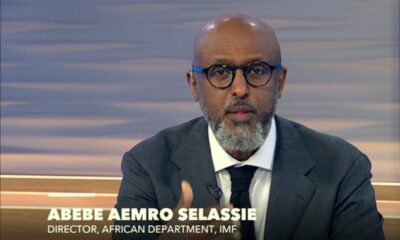

Abebe Selassie to Retire as Director of African Department at IMF -By Kestér Kenn Klomegâh
Concessional financing to counter rising borrowing costs, with Africa paying up to 5 times more in interest than advanced economies...


Singapore’s Leaders Built An Economy; Nigeria’s Keep Building Excuses -By Isaac Asabor
Singapore paired economic growth with social stability. Through the Housing Development Board, the government built large-scale public housing, providing affordable...

Tax Considerations for CFD Traders in South Africa: What Experienced Traders Should Know
What looks like a sweet profit on your platform screen can shrink fast once the tax bill hits. When you're...


Russia–India Dialogue Provides Platform for Strengthening Bilateral Entrepreneurship -By Kestér Kenn Klomegâh
The Dialogue was organized by the Indian Business Alliance, the Business Council for Cooperation with India, the Government of Moscow,...


The Kampala Declaration: How African Youth Can Lead Food System Transformation to Accelerate the Achievement of Zero Hunger by 2030 -By Emeka Christian Umunnakwe
If Africa is serious about achieving Zero Hunger by 2030, these perceptions must be confronted with deliberate action. Young people...