
Economic Issues
Nigeria’s Fuel Subsidy Struggle -By Ininidi Bebenimibo
On may 29, 2023 during his inauguration, president Tinubu announced the official end of fuel subsidy in Nigeria. About 2 months later fuel prices are going for as high as 700 Naira per liter and are even affecting so many other sectors or Nigeria’s economy. From spike in food prices to transportation becoming expensive no Nigerian or economic sectors has remained unaffected.

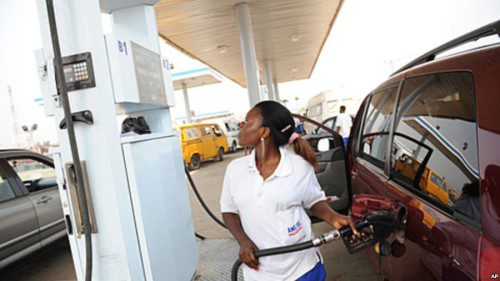
Nigeria, the largest economy in Africa, is grappling with a longstanding issue that has proven to be both economically challenging and socially controversial: the fuel subsidy system. For decades, Nigeria has heavily subsidized petroleum products, providing relief to its citizens by keeping fuel prices artificially low. However, this policy has led to significant financial strains on the country’s economy, resulting in a cycle of struggle and reform. In this article, we will explore the complexities of Nigeria’s fuel subsidy issue, its impact on the nation, and the efforts made by the government to address this contentious matter.
The Genesis of Fuel Subsidies in Nigeria
The roots of Nigeria’s fuel subsidy system can be traced back to the 1970s when the country witnessed an oil boom. The government, with the best intentions, introduced fuel subsidies as a means to provide affordable energy to its people and alleviate poverty. The idea was to cushion the impact of high oil prices on the citizens and ensure that basic commodities remained accessible.
Initially, the subsidies were sustainable, and they indeed helped ease the financial burden on consumers. However, as Nigeria’s oil-dependent economy faced fluctuations in global oil prices and internal challenges, maintaining the fuel subsidy became increasingly problematic.
The Cycle of Struggle
The fuel subsidy system in Nigeria created a vicious cycle of struggle. As global oil prices fluctuated, the cost of sustaining the subsidies soared, putting immense pressure on the country’s finances. Despite being one of Africa’s top oil producers, Nigeria struggled to refine its crude oil domestically, leading to an overdependence on costly fuel imports. Furthermore, corruption and mismanagement plagued the system, leading to massive revenue leakages and the diversion of subsidized fuel meant for the masses to the black market. These factors combined to create a monumental fiscal burden, eating into funds that could have been allocated to critical development projects, education, healthcare, and infrastructure.
The Subsidy Removal Saga of 2023
As the strain on Nigeria’s economy intensified, various administrations considered the possibility of removing or reducing fuel subsidies. However, such discussions were always met with fierce opposition from the public.
On may 29, 2023 during his inauguration, president Tinubu announced the official end of fuel subsidy in Nigeria. About 2 months later fuel prices are going for as high as 700 Naira per liter and are even affecting so many other sectors or Nigeria’s economy. From spike in food prices to transportation becoming expensive no Nigerian or economic sectors has remained unaffected.
With no end in site to the harsh effects of the recent fuel subsidy removal, mere citizens can only watch and hope the the government finds ways to improve the current situation of this.



Second Ministerial Conference: Shaping Russian-African Strategic Partnerships -By Kestér Kenn Klomegâh
As indicated from above, the most important issues of multifaceted development are included on the Russian-African agenda, with a focus...


When Matrimony Is Dead On Arrival, The Wedding Was Only A Ceremony -By Isaac Asabor
Marriage is not for everyone, and that truth needs to be said plainly. It requires emotional intelligence, self-control, humility, and...


Awards Without Impact: Rethinking ‘Good Governance’ In Bauchi State -By Yasir Shehu Adam
True good governance is not proven in Abuja halls or award plaques. It is proven in functional classrooms, well-equipped hospitals,...


When “Happily Ever After” Starts Expiring: A Deep Dive into the Alarming Rise of Failed Marriages -By Peace Adams Bitrus
Weddings have become theatrical performances. Months of planning, millions spent, lights, cameras, choreographed dances… but very little attention is given...
Cease The Unchecked Looting -By Abba Dukawa
To address this, the Independent Corrupt Practices and Other Related Offences Commission (ICPC) and the Economic and Financial Crimes Commission...