
Breaking News
Nigeria’s Inflation Eases to 15.15% in December 2025
Nigeria’s inflation rate eased to 15.15% in December 2025 from 17.33% in November, as food prices declined, according to the National Bureau of Statistics.

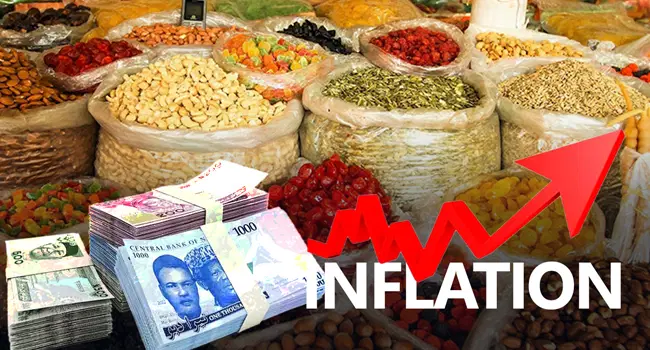
Nigeria’s headline inflation rate fell to 15.15 percent in December 2025, representing a 2.18 percentage point decline from the 17.33 percent recorded in November, according to the National Bureau of Statistics (NBS).
The figure was published in the NBS Consumer Price Index (CPI) report for December 2025, which also highlighted a substantial improvement from the 34.8 percent inflation rate recorded in December 2024.
On a month-on-month basis, headline inflation slowed to 0.54 percent in December, down from 1.22 percent in November, a drop of 0.69 percentage points. This indicates a slower pace of increase in the general price level.
The NBS explained that recent adjustments to its CPI methodology accounted for projected movements in December’s data, stressing that the revisions were technical in nature and did not signal worsening economic conditions.
Food inflation, a key driver of overall inflation, also declined sharply. Year-on-year food inflation stood at 10.84 percent in December 2025, compared with 39.84 percent in December 2024. The reduction was attributed mainly to lower prices of items such as tomatoes, garri, eggs, potatoes, carrots, millet, vegetables, plantain, beans, wheat grain, ground pepper, and onions.
Across states, the highest year-on-year food inflation rates were recorded in Yobe (15.25 percent), Ogun (14.12 percent), and Abuja (13.24 percent). In contrast, the slowest increases were seen in Akwa Ibom (4.34 percent), Sokoto (4.62 percent), and Plateau (6.19 percent).
Month-on-month data showed that food inflation rose most sharply in Imo (3.19 percent), Nasarawa (3.16 percent), and Yobe (1.18 percent), while declines were recorded in Plateau (-2.76 percent), Rivers (-2.5 percent), and Zamfara (-1.93 percent).
Overall, the NBS figures point to continued easing of price pressures nationwide, offering some relief to households and a positive signal for policymakers addressing inflation challenges.
Opinion Nigeria News


Putin Receives Newly Appointed Foreign Ambassadors in Bolshoi Kremlin Palace -By Kestér Kenn Klomegâh
According to him, the foundations of these relationships were laid back during the struggle of African peoples for freedom and...


Why Obi Cubana Shouldn’t Have Given His Life to Jesus (Part 1) -By Ugochukwu Ugwuanyi
But then, why the fuss about Obi Cubana's repentance, what with the American Rap King, Snoop Dog, repenting from gangsterism...


Invincible Defence Technology: Consciousness-Based Solutions to Interstate and Intrastate Violence -By Dr. David Leffler
Technology refers to the systematic application of knowledge and tools. In the case of IDT, this brain-based “technology” is the...


Amnesty International’s Selective Outrage And The Sowore Narrative -By Kelvin Adegbenga
Amnesty International also appears to suffer from institutional amnesia. It is on public record that the Nigerian Army once called...

Russia’s Future Outlook With Africa Depends On Strategic Action Plan (2023-2026) -By Kestér Kenn Klomegâh
So many Russian speaking African experts who were trained by the Soviet Union can still bolster a Russian re-engagement with...