
Forgotten Dairies
Nigeria’s Tax Law Reforms Face Legitimacy Crisis Amid Allegations of Tampering -By Abdulmalik Dauda
The Chartered Institute of Taxation of Nigeria (CITN) has also expressed concern over these discrepancies. The institute is calling for greater transparency and accountability in legislative processes, recommending stronger document control systems, inter-agency oversight, and structured stakeholder consultations.

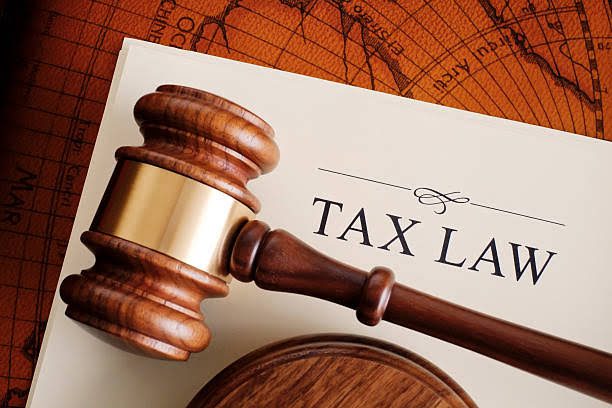
Nigeria’s ongoing tax reform process has hit turbulent waters as recent developments raise serious questions about the legitimacy of the newly enacted 2025 tax laws. At the heart of the controversy are allegations of unauthorized alterations to key legislations, prompting widespread concern from lawmakers, tax professionals, and civil society.
The laws in question include the Nigeria Tax Act, the Nigeria Tax Administration Act, the Joint Revenue Board of Nigeria (Establishment) Act, and the Nigeria Revenue Service (Establishment) Act. These reforms were initially celebrated as steps toward modernizing Nigeria’s tax regime, broadening the revenue base, and aligning tax policies with global best practices.
However, these aspirations are now overshadowed by a legitimacy crisis. Lawmaker Abdussamad Dasuki raised a red flag, revealing that the gazetted versions of the laws differ materially from the versions passed by the National Assembly. In response, the National Assembly directed the Clerk to re-gazette the laws and issue Certified True Copies of the original bills.
The Chartered Institute of Taxation of Nigeria (CITN) has also expressed concern over these discrepancies. The institute is calling for greater transparency and accountability in legislative processes, recommending stronger document control systems, inter-agency oversight, and structured stakeholder consultations.
The tax reforms, among other things, introduce a redefinition of the term Nigerian company, expand tax exemptions, and implement stricter compliance mechanisms. While these changes are intended to improve revenue collection and ease of doing business, the controversy has triggered public distrust, and investor uncertainty, and may threaten the effectiveness of the reforms.
The National Opposition Movement has called for an immediate suspension of the laws, pending clarification and corrections. Similarly, Labour unions are demanding that any tax reform must reflect fairness, inclusivity, and economic justice, especially at a time when citizens are grappling with inflation and rising living costs.
To address these issues, the National Assembly has established an ad-hoc committee tasked with investigating the allegations of tampering and recommending remedial actions. The committee’s findings are expected to either restore the credibility of the tax laws or trigger a repeal and re-drafting process.
This unfolding situation highlights a deeper issue in Nigeria’s governance: the need for institutional integrity and robust oversight. Until the cloud over the tax laws is cleared, the legitimacy crisis risks undermining one of the country’s most significant reform efforts.


Africa’s Crisis of Military Coups and Insecurity -By Safiya Zakari Muhammad
The erosion of democracy has also weakened regional and international security cooperation. In some cases, juntas have expelled traditional partners...


Governor Uba Sani’s Resolute Commitment On Rural Development -By Abdulrashid Sani Gimi
In the long run, the 2026 fiscal strategy transcends conventional budgetary practice. With a total outlay of ₦985.9 billion, a...


Lack of Financial Support Holding Back Russia’s Economic Influence in Africa: A Case Study of Missed Opportunities in Nigeria -By Kestér Kenn Klomegâh
As Africa's largest economy, Nigeria cannot afford another decade of promises without projects. The future of its development lies with...


The Impact Of Social Media On Youth Mental Health -By Jemimah Hezekiah
Governments and tech companies also have a role to play. Enforcing anti-cyberbullying policies, offering digital literacy programs, and providing mental...

Every Night We Pray to Survive: Voices from Insecure Communities -By Rinret istifanus
As the nation debates policies and strategies, these voices remind us that insecurity is not just a headline it is...