
National Issues
Over the Fence: A Glimpse into Nigeria’s Neighborhood -By Khadija Shuaibu Usman
The impact of these contrasts is felt across the country. For instance, while Nigeria is the largest economy in Africa, many Nigerians still live below the poverty line. The country’s rich cultural heritage is often overshadowed by the challenges of insecurity and corruption. However, amidst these challenges, Nigerians are finding innovative solutions to drive growth and development.

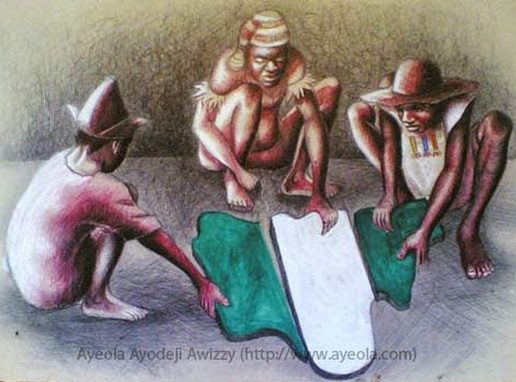
In Nigeria, the phrase “over the fence” takes on a whole new meaning. It’s not just a physical boundary; it’s a metaphor for the complexities of community, culture, and coexistence. Let’s take a stroll over the fence and explore the vibrant neighborhoods that make Nigeria a unique and fascinating country.
Nigeria is home to over 250 ethnic groups, each with their own culture, language, and traditions. From the bustling streets of Lagos to the serene landscapes of the North, every neighborhood has its own story to tell. The Hausa-Fulani North is known for its rich history, vibrant markets, and warm hospitality. The Yoruba West is famous for its cultural heritage, festivals, and entrepreneurial spirit. The Igbo East is renowned for its industrious people, delicious cuisine, and rich traditions.
Nigeria’s cities are melting pots of culture, with people from all over the country converging on urban centers. Lagos is Africa’s largest city, a hub of commerce, entertainment, and innovation. Abuja is the capital city, a symbol of Nigeria’s growth, development, and diversity. Port Harcourt is the oil-rich city, a center of industry, culture, and resilience.
As we gaze over the fence, we see a country of contrasts: rich culture vs. poverty, rapid growth vs. infrastructure challenges, diversity vs. unity. Nigeria is home to over 200 languages and a rich cultural heritage, yet poverty and inequality persist. Nigeria is one of the fastest-growing economies, yet infrastructure development lags behind. Nigeria is a country of many ethnicities, yet national unity and cohesion remain a challenge.
The impact of these contrasts is felt across the country. For instance, while Nigeria is the largest economy in Africa, many Nigerians still live below the poverty line. The country’s rich cultural heritage is often overshadowed by the challenges of insecurity and corruption. However, amidst these challenges, Nigerians are finding innovative solutions to drive growth and development.
As Nigeria navigates its complexities, the view from over the fence offers a glimpse of hope: economic growth, cultural exchange, and youthful energy. Nigeria is poised to become one of the world’s top economies. Nigeria’s culture is gaining global recognition, from music to film. Nigeria’s young population is driving innovation and entrepreneurship.The fence may be a physical boundary, but it’s also a metaphor for the possibilities that lie beyond. As we look over the fence, we see a Nigeria that’s vibrant, diverse, and full of promise.
The story of Nigeria is one of resilience and determination. Despite the challenges, Nigerians are working together to build a better future. From the streets of Lagos to the villages of the North, there’s a sense of community and solidarity that’s hard to find anywhere else. As we look to the future, we see a Nigeria that’s full of potential, a country that’s ready to take its place on the global stage.
Nigeria’s youth are leading the charge, driving innovation and entrepreneurship in a way that’s inspiring. From tech startups to social enterprises, young Nigerians are finding creative solutions to the country’s challenges. The Nollywood industry is giving the world a glimpse into Nigeria’s vibrant culture, while the music scene is making waves globally.
As we gaze over the fence, we’re reminded that Nigeria is a country that’s constantly evolving. It’s a country that’s full of contrasts, but also full of possibilities. With its rich culture, youthful energy, and resilient people, Nigeria is a country that’s worth watching .
Khadija Shuaibu Usman



The Impact Of Social Media On Youth Mental Health -By Jemimah Hezekiah
Governments and tech companies also have a role to play. Enforcing anti-cyberbullying policies, offering digital literacy programs, and providing mental...

Every Night We Pray to Survive: Voices from Insecure Communities -By Rinret istifanus
As the nation debates policies and strategies, these voices remind us that insecurity is not just a headline it is...

The Cost of Building: Reflections from Inside Northern Nigerian Governance -By Naufal Ahmad
We need a new ethic of engagement. I’m not saying don’t question leaders. I’ve been an internal critic for most...


Genotype Confirmation: Why It Must Be Included As Part Of The Elements Of Marriage -By Tajudeen Abdulrauf Dasuki
Sickle cell is not a mere disease , that we count as minor issue, it is only those have it,...

Between The Palace And The Police: Where Does Justice For Don Pedro Obaseki Lie? -By Isaac Asabor
Justice cannot lie in fear. It cannot lie in mobs. It cannot lie in silence. Justice lies in a firm...