
Forgotten Dairies
Random Thought on Nigeria’s Perilous State of Affairs -By Abachi Ungbo
The picture of the former Yugoslavia readily comes to the minds of Nigerians as a convenient case in point of failure in the proper handling of diversity, socio- economic challenges etc. Recall that Yugoslavia was a stable country, an oasis of peace where the different nationalities co-existed before it became a theatre of instability occasioned by economic crisis, secession agenda, clashes between the nationalities etc.

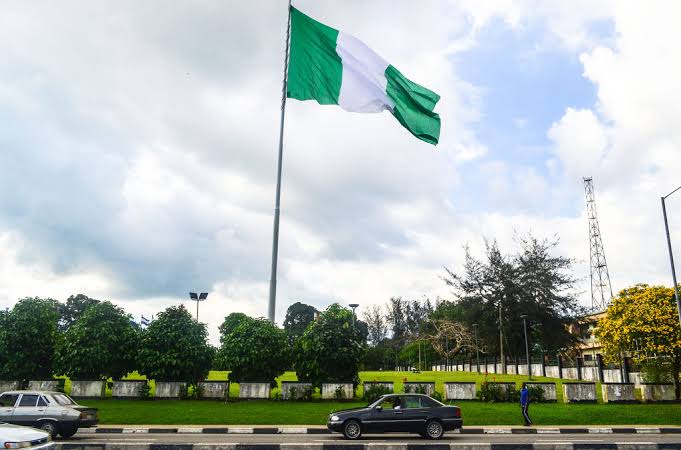
It goes without saying that Nigeria is roiled by strong winds that are intent on ripping up its delicate fabric. This has drawn deep concern, and it is leaving everyone watching with bated breath on how it will walk away unscathed. Presently, an asphyxiating atmosphere of fear, bigotry and hatred which is antithetical to nation building, has entirely enveloped the country.
What we have now is a situation where the huge paper that is spread over the nation’s wall has given way to deep and troubling cracks. The mask on different faces has fallen off, exposing the open declaration of patriotism and allegiance to the country as mere rhetoric. It is regrettable, that the badges of the respective ethno-religious camps are carried with honour. By and large, national identity is almost non existent. And, the abounding diversity of the country only attracts scant attention.
Not a few Nigerians have become brutally cynical about the future of the country. They simply question our nationhood which poses a clear and present danger to our democracy and sovereignty. The social media has turned into a huge battlefield of ethnic, religious and ideological war as well as a simple barometer for gauging the crisis of unity and togetherness brewing in the country. Already, there are growing calls of secession which is spreading apace across the regional boundaries of the country. In fact, we have a host of ‘post Nigeria’ maps making the rounds in the social media showing the country divvied up along ethnic and religious lines.
The current state of affairs is a corollary of the actions of the political class and religious leaders which have been far from been exemplary. They have effectively used their positions as tool of mobilization for selfish ends and oppression which has evidently made the current situation not unexpected.
It is no news that Nigeria is prostrate by insecurity with a devastatingly high human toll. The reported international dimensions to the issue is driving chills down the spines of Nigerians. Unfortunately, illegal mining activities in the hotbeds of the insecurity, massive corruption, complicity of officials among other things are conflating in not only compromising the fight against insecurity but in making it long drawn out. The situation has placed the country in a bad light with threat of foreign military intervention on the grounds of genocide.
The economy is still too weak to pull out the mammoth population trapped in the dark hole of poverty. Recently, PricewaterhouseCooper (PwC) reported that 114 million – about 65% of the population are projected to be living in poverty in 2026. This provides a trigger for social unrest. The demand for sacrifices is made on ordinary Nigerians and not the leaders. Obviously, making the leaders unaccountable for their misdeeds.
We have been routinely served with hot tales of corruption by people entrusted with leadership and access to public purse. But their prosecution, with some exceptions always turn to be a damp squib. This always tells many sad stories about how corruption is treated in the country.
The judicious use of resources ensures socio-economic development that result into material improvement of the people. It is instructive to state that any country where the condition of living of citizens is miserable is certainly shaping up to become a huge cauldron of instability.
Once people are alienated under whatever guise(s), it triggers bitterness and anger which are then expressed in destructive forms. So much needs to be done in dealing with the pervasive limited economic opportunities and the politics of exclusion.
The picture of the former Yugoslavia readily comes to the minds of Nigerians as a convenient case in point of failure in the proper handling of diversity, socio- economic challenges etc. Recall that Yugoslavia was a stable country, an oasis of peace where the different nationalities co-existed before it became a theatre of instability occasioned by economic crisis, secession agenda, clashes between the nationalities etc.
Eventually, it decoupled violently under the weight of the challenges. Ethnic and regional identity became potent weapon which people like Slobodan Milosevic leveraged in becoming the president. In 1989, his speech in Gazimestan arouse the flame of Serbia nationalism with the words “ No one will beat you again,” and the state controlled media echod the message. Not a few believed that the speech became the accelerant to the war.
As a matter of urgency the trajectory of the country must be rerouted to preclude an implosion. This actually brings us to the place of strategic leadership. The security of lives and properties needs to be bolstered before the country is drawn to a Pre-Hobbesian state. Of consequence in my considered view is the revisit of the recommendations of past national dialogues not least the 2014 national conference which the APC government under the banner of the Elrufai committee (2012) concurred with some of its provisions. Both attempts provide solutions to challenges of national development.
Abachi Ungbo
abachi007@yahoo.com


Good Governance as a Tool for National Development -By Blessing Matthew
Good governance prioritizes the interests and welfare of the people above personal or sectional interests. It encourages transparency, accountability, rule...


Role of Youths in Nation Building -By Kusompwa Lazarus Motiyedi
It is true that today’s youth did not experience the horrors of the Nigerian Civil War or the severe economic...

Putin Receives Newly Appointed Foreign Ambassadors in Bolshoi Kremlin Palace -By Kestér Kenn Klomegâh
According to him, the foundations of these relationships were laid back during the struggle of African peoples for freedom and...


Why Obi Cubana Shouldn’t Have Given His Life to Jesus (Part 1) -By Ugochukwu Ugwuanyi
But then, why the fuss about Obi Cubana's repentance, what with the American Rap King, Snoop Dog, repenting from gangsterism...


Invincible Defence Technology: Consciousness-Based Solutions to Interstate and Intrastate Violence -By Dr. David Leffler
Technology refers to the systematic application of knowledge and tools. In the case of IDT, this brain-based “technology” is the...