
Forgotten Dairies
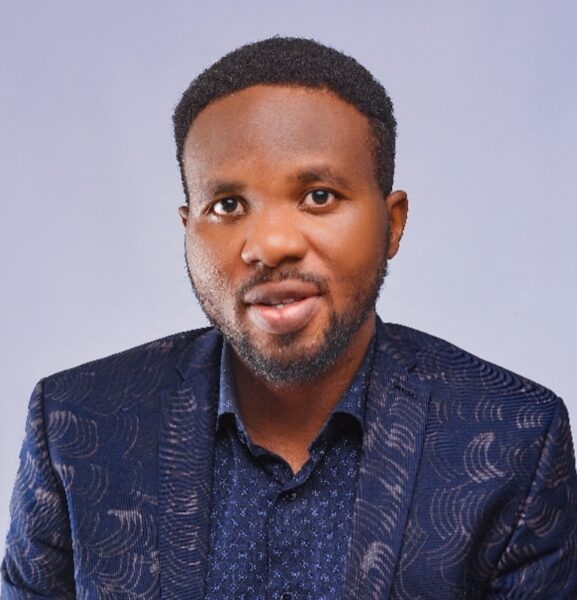
Rethinking the New Year -By Oluwafemi Popoola
Years and seasons are tools. They are not illusions. They allow reflection, renewal, and recalibration. Kierkegaard insisted that life is lived forward but understood backward. The new year offers a pause long enough to look back honestly and step forward deliberately.

The year has shifted its number. The calendar has turned AGAIN. The noise of celebration has settled back into silence. And in the stillness, a familiar thought surfaces again. Does a new year carry new meaning, or merely time wearing a fresh costume?
Is January a genuine threshold, or just yesterday returning with fresh promises?
Many have welcomed the year with gratitude, rituals, and deliberate preparation. They are spoken hopes, whispered prayers, and carefully imagined tomorrows.
It must be that they probably believe the year carries possibilities not yet bruised by disappointment. Their resolutions are not casual wishes but declarations of intent, sometimes desperate, sometimes hopeful.
In their imagination, the year arrives preloaded with opportunity, waiting to be unlocked by faith, discipline, and courage. And yet, the skeptic scoffs: what exactly is new about it?
It is our convictions.
It is one of humanity’s most powerful gifts and most dangerous traps.
We do not reshape the universe with our outlook, we reshape our experience of it. Nietzsche warned that human beings do not encounter facts, only interpretations. The year does not wound us or heal us, our interpretation does.
The same twelve months can feel like a sentence or a salvation, depending on the lens through which we enter them.
To view existence as a burden is not to diminish existence but to burden oneself.
Of Couse, not all resolutions survive the year. Many will fracture under pressure. But some will endure. And even one fulfilled intention can quietly tilt the direction of a life.
Time itself may be continuous, indifferent to our divisions of days and months, but human beings need structure to extract meaning from motion.
Years and seasons are tools. They are not illusions. They allow reflection, renewal, and recalibration. Kierkegaard insisted that life is lived forward but understood backward. The new year offers a pause long enough to look back honestly and step forward deliberately.
In societies where uncertainty is familiar and the future often feels fragile, the insistence on new beginnings is not unnecessary. It is also not foolish.
To believe that something can be better is sometimes the only rebellion available. The new year may not arrive carrying miracles, but it arrives carrying space, space to try again, to choose differently, to resist despair.
So the question is not whether the year is new, but whether we are willing to be. Time will keep moving whether we hope or not. But hope determines whether we move with it or merely endure its passage. And that, more than the turning of any calendar, is where the real difference lies.


Thankfully, There’s None Like Prophet Ebo Noah in Nigeria; Is There? -By Ugochukwu Ugwuanyi
Mysteries in the Old Testament can only be decoded through the light of the New Testament. Mercifully, the Holy Spirit...


The Ripples From The Tinubu’s Tax Reform And The Future Of Nigerian Economy -By Hajia Hadiza Mohammed
The most worrisome issue in the whole tax reform debacle is the intention of the government and its fixation on...


Africa’s Crisis of Military Coups and Insecurity -By Safiya Zakari Muhammad
The erosion of democracy has also weakened regional and international security cooperation. In some cases, juntas have expelled traditional partners...

Governor Uba Sani’s Resolute Commitment On Rural Development -By Abdulrashid Sani Gimi
In the long run, the 2026 fiscal strategy transcends conventional budgetary practice. With a total outlay of ₦985.9 billion, a...

Lack of Financial Support Holding Back Russia’s Economic Influence in Africa: A Case Study of Missed Opportunities in Nigeria -By Kestér Kenn Klomegâh
As Africa's largest economy, Nigeria cannot afford another decade of promises without projects. The future of its development lies with...