
Breaking News
Rising N152trn Debt Largely Due to FX Revaluation, Transparency Reforms — Finance Minister
Nigeria’s Finance Minister Wale Edun says the N152 trillion public debt increase is largely due to exchange rate revaluation and recognition of legacy obligations, not fresh borrowing, as analysts weigh sustainability risks.

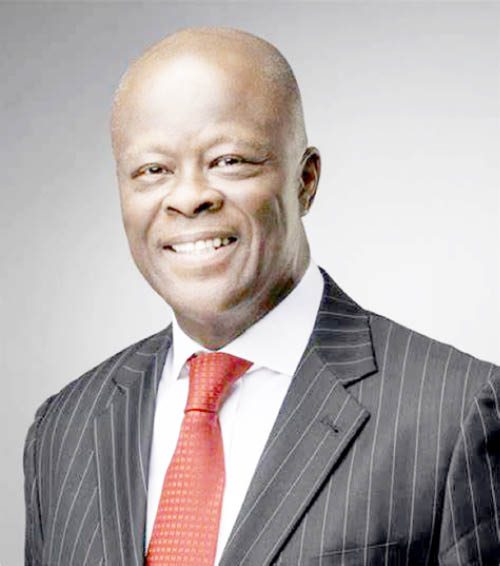
The Federal Government has defended Nigeria’s growing public debt stock of about N152 trillion, arguing that the increase is mainly the result of exchange rate adjustments and improved transparency, rather than excessive new borrowing.
Speaking at the presentation of the Nigerian Economic Summit Group (NESG) 2026 Macroeconomic Outlook in Lagos, the Coordinating Minister of the Economy and Minister of Finance, Mr. Wale Edun, said the Tinubu administration deliberately opted for openness and fiscal discipline over opaque accounting practices.
“Nigeria’s total public debt stands at N152 trillion, just over $100 billion,” Edun said. He explained that “N30 trillion previously recorded as Ways and Means has now been transparently recognised, while exchange rate adjustments account for much of the remaining increase, not new borrowing.”
According to the minister, although debt service remains a major challenge, transparency in public finance has improved significantly, with government continuing to meet its statutory obligations.
“Despite fiscal pressures, salaries, pensions and debt service have been paid. That underscores our commitment to discipline and transparency,” he said.
On the implementation of the 2025 Budget, Edun noted that Nigeria’s fiscal position remained resilient despite global economic headwinds and domestic limitations. He disclosed that “the fiscal deficit stood at 3.4 per cent of GDP in 2025, slightly above the Fiscal Responsibility Act threshold, reflecting ongoing adjustment efforts.”
He added that revenue performance was still constrained by shortfalls in oil and gas earnings, although non-oil revenues showed improvement. Edun also pointed to gains from fiscal federalism reforms, noting that many states are now recording budget surpluses above three per cent.
“Fiscal federalism reforms have strengthened the financial position of states, enabling increased spending on health, education and public services,” he said.
Edun maintained that the administration’s economic reforms, though politically difficult, have delivered macroeconomic stabilisation and positioned the country for the next phase.
“After more than two years of implementing transformative and politically difficult reforms, Nigeria is now at the threshold of consolidation,” he said, adding: “But consolidation demands resolve, discipline and policy consistency. Nigeria cannot afford to retreat or pause.”
He said longstanding economic distortions had been dismantled, including preferential access to foreign exchange, fuel subsidies and rent-seeking practices.
“This has created a more level playing field where success is driven by productivity, innovation and value creation, not arbitrage,” Edun stated.
On investor confidence, the minister said Nigeria’s reforms are sending positive signals internationally. “We were well received at the World Bank Annual Meetings. Nigeria has exited the FATF grey list and has just been removed from the European Union’s list of high-risk third countries. Credit rating agencies have also responded positively,” he said.
Commenting on growth and inflation, Edun said economic activity is broadening, with “27 sectors growing above three per cent,” though he acknowledged that manufacturing and agriculture are “not yet where we want them to be.”
“Inflation remains a challenge, but the trajectory reflects the commitment of monetary authorities. The fight against inflation is everyone’s fight because inflation hurts the most vulnerable the hardest,” he added.
He also highlighted improvements in the capital market, describing it as a key pillar for financing growth. “We have seen improvements in trade balance, foreign exchange reserves and stock market capitalisation, now approaching $500 billion, an important threshold for global market credibility,” Edun said.
Looking ahead, the minister said government projects economic growth of about 4.68 per cent in 2026, with average inflation of 16.5 per cent and an exchange rate benchmark of N1,400 to the dollar. He explained that the 2026 Budget, titled ‘Budget of Consolidation, Renewed Resilience and Shared Prosperity,’ reflects President Bola Tinubu’s resolve to convert macroeconomic gains into tangible outcomes such as food availability, electricity, housing and jobs.
“The task ahead is immense, but so is our resolve,” Edun said. “We will not retreat from economic transformation. Our responsibility is to translate stability into inclusive, job-rich growth that delivers for every Nigerian.”
Fresh Borrowing Played Material Role — Dada
Reacting, Oluropo Dada, 13th President of the Chartered Institute of Stockbrokers (CIS), said available data suggest that fresh domestic borrowing has contributed significantly to sustaining government operations.
“Based on available issuance data, the Federal Government has raised over N7 trillion from the FGN bond market alone in the last two years, excluding Treasury bills,” he said.
Dada noted that budget documents show a persistently widening fiscal deficit, which “by definition must be financed through a combination of borrowing, asset drawdowns, or exceptional revenues.”
“In practice, the scale of the deficit suggests that new borrowing has played a material role, even if part of the increase in headline debt reflects exchange-rate revaluation and the formal recognition of previously unrecorded obligations,” he said.
He stressed that while transparency reforms are welcome, the key concern is fiscal sustainability amid weak revenue growth. “Clear reconciliation between deficits, borrowing sources and debt outcomes remains essential to maintain market confidence,” Dada added.
Legacy Debt Not Sole Driver — Adonri
Also reacting, David Adonri, Analyst and Vice Executive Chairman of High Cap Securities Limited, said recognising previously hidden debt was commendable but insufficient to explain the current debt level.
“The unmasking of shadow debt and its incorporation into the FGN’s total debt profile is commendable,” he said. “However, I don’t think that legacy debt is the sole reason for the current colossal figure. Further reckless borrowing by this administration continues to worsen the situation.”
Debt Sustainability More Important Than Size — Amolegbe
Former CIS President, Olatunde Amolegbe, said the minister was right to clarify the composition of the debt, describing it as a sign of improved transparency.
“For me, what is germane is debt sustainability rather than the quantum of debt itself,” he said. While noting that a debt-to-GDP ratio of about 36 per cent suggests no immediate danger, he cautioned that debt-to-revenue indicators call for prudence.
“I have no doubt that our policymakers are well aware of this,” Amolegbe added.
Transparency Explains Numbers, Sustainability Is Key — Egbomeade
In his view, Clifford Egbomeade, analyst and communications expert, said the finance minister’s explanation aligns with public finance accounting standards.
“Of the N152 trillion debt stock, roughly N30 trillion reflects previously unrecognised Ways and Means advances now formally captured, while about N49 trillion comes from foreign debt revaluation following exchange rate adjustments,” he said.
Egbomeade noted that these factors support Edun’s claim that the headline increase does not necessarily indicate a borrowing spree, adding that recognising off-balance-sheet obligations strengthens fiscal credibility.
However, he warned that transparency alone does not remove fiscal pressure. “Even when driven by revaluation, higher naira debt magnifies debt service requirements relative to government revenue, which remains structurally weak,” he said.
“The position holds on accounting grounds but demands complementary policy action. Transparency explains the numbers; sustainability will depend on how fiscal authorities manage servicing costs and revenue growth within that clarified framework.”
Opinion Nigeria News



Role of Youths in Nation Building -By Kusompwa Lazarus Motiyedi
It is true that today’s youth did not experience the horrors of the Nigerian Civil War or the severe economic...

Putin Receives Newly Appointed Foreign Ambassadors in Bolshoi Kremlin Palace -By Kestér Kenn Klomegâh
According to him, the foundations of these relationships were laid back during the struggle of African peoples for freedom and...


Why Obi Cubana Shouldn’t Have Given His Life to Jesus (Part 1) -By Ugochukwu Ugwuanyi
But then, why the fuss about Obi Cubana's repentance, what with the American Rap King, Snoop Dog, repenting from gangsterism...


Invincible Defence Technology: Consciousness-Based Solutions to Interstate and Intrastate Violence -By Dr. David Leffler
Technology refers to the systematic application of knowledge and tools. In the case of IDT, this brain-based “technology” is the...


Amnesty International’s Selective Outrage And The Sowore Narrative -By Kelvin Adegbenga
Amnesty International also appears to suffer from institutional amnesia. It is on public record that the Nigerian Army once called...