
Global Issues
Tax Considerations for CFD Traders in South Africa: What Experienced Traders Should Know
What looks like a sweet profit on your platform screen can shrink fast once the tax bill hits. When you’re dealing with a CFD broker, the game is miles from buy-and-hold investing – positions flip quick, trades pile up, and it’s all about riding those short bursts in prices rather than waiting for long-haul growth.

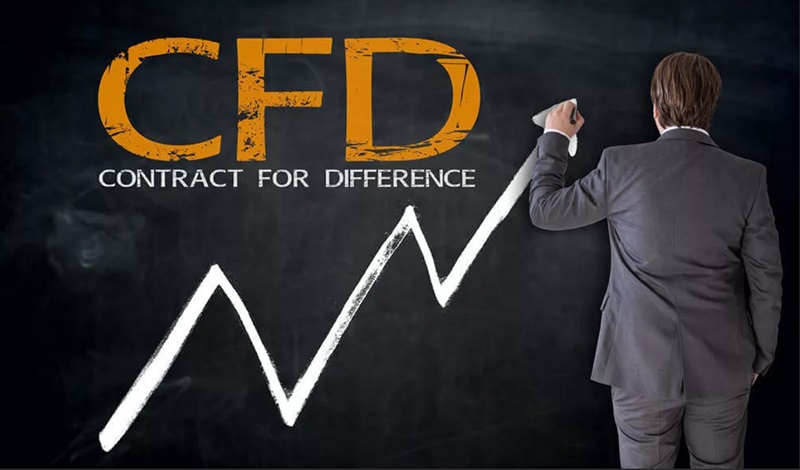
For veteran CFD traders across South Africa, nailing trades isn’t just about killer timing or ironclad risk plays anymore. As strategies get sharper and more deliberate, how your earnings get taxed starts sneaking into your bottom line in big ways. What looks like a sweet profit on your platform screen can shrink fast once the tax bill hits. When you’re dealing with a CFD broker, the game is miles from buy-and-hold investing – positions flip quick, trades pile up, and it’s all about riding those short bursts in prices rather than waiting for long-haul growth. This nonstop action draws extra eyes from tax folks, pushing traders to stay on top of records and get crystal clear on how their wins get labeled. Grasping the local tax angle lets you plot smarter, dodge nasty surprises down the line, and treat taxes as a baked-in piece of your trading puzzle, not an afterthought that bites later.
The South African Tax Take on CFD Trading Earnings
Down in South Africa, how your CFD profits get taxed hinges big time on what kind of gig the authorities see it as. If you’re cranking out trades regularly and methodically, those gains often land in the “business income” bucket instead of “capital gains” territory. That split packs a punch because it tweaks how you report and pay up. It’s not the CFD tool itself that calls the shots—it’s your real-world moves: how many deals you do, the speed of your flips, and what’s driving those choices. Tax watchers zoom in on your habits over fancy names. Short-term hustles chasing price wiggles usually count as active earnings, not lazy long-term bets. That’s why pros can’t just borrow tax tricks from stock hoarders. As your trading turns more organized and pro-level, wrapping your head around where these bucks fit in the tax web is key. It keeps your plans grounded in reality, cuts down on mix-ups, and helps you chase gains without tax traps derailing the show.
Why Trading Frequency Changes Your Tax Position
Trading frequency is one of the clearest indicators used to assess intent. Occasional trades may be treated differently from daily or weekly activity. As frequency increases, so does the likelihood that profits will be treated as ordinary income.
Active CFD traders often reinvest profits, adjust positions quickly, and respond to short-term market signals. These patterns resemble a business-like operation rather than long-term asset holding. As a result, the tax position shifts accordingly. This does not mean that higher activity is discouraged. It means that experienced traders should recognize how activity levels influence classification and plan accordingly.
Awareness allows for more accurate forecasting of net results after tax, which is essential for sustainable trading.
Key Tax Factors Experienced CFD Traders Should Track
Several practical elements consistently affect how CFD trading income is assessed and
reported:
● Realized profits and losses
Only closed positions contribute to taxable outcomes. Timing matters.
● Transaction volume
Higher volume supports the view of active trading rather than passive investing.
● Trading-related expenses
Certain costs linked to trading activity may be relevant when assessing net income.
● Record-keeping discipline
Clear, consistent records reduce uncertainty and support accurate reporting.
● Timing of gains
When profits are realized can affect the relevant tax period.
Tracking these factors helps align trading performance with financial reporting realities. It also reduces the risk of discrepancies that can arise from incomplete or inconsistent documentation.
Common Tax Misunderstandings Among Active CFD Traders
Even experienced traders often carry assumptions that do not hold up under closer examination. One common misunderstanding is believing that CFD profits automatically fall under capital gains treatment. In practice, activity patterns matter more than the label attached to the instrument.
Another frequent issue is underestimating the importance of documentation. Platform statements alone may not provide the full picture needed for accurate reporting. Traders who fail to maintain independent records can struggle to reconstruct activity later.
There is also a tendency to separate trading decisions from tax awareness. Treating tax considerations as unrelated to strategy can lead to distorted performance assessments. Gross returns may look appealing until obligations are accounted for.
Treating Tax Awareness as Part of Trading Strategy
For experienced CFD traders, tax awareness functions much like risk management. It does not change market direction, but it influences outcomes. Incorporating tax considerations into planning helps traders evaluate strategies more realistically.
This approach encourages discipline beyond entry and exit points. It supports better decision-making around position sizing, trade frequency, and profit withdrawal. It also reduces stress by removing uncertainty around compliance.
In a market environment where margins can be tight, clarity matters. Traders who understand how their activity is viewed and reported are better positioned to operate with confidence. Tax awareness does not replace trading skill. It complements it, turning compliance into an informed and manageable part of the overall trading process.



Singapore’s Leaders Built An Economy; Nigeria’s Keep Building Excuses -By Isaac Asabor
Singapore paired economic growth with social stability. Through the Housing Development Board, the government built large-scale public housing, providing affordable...

Tax Considerations for CFD Traders in South Africa: What Experienced Traders Should Know
What looks like a sweet profit on your platform screen can shrink fast once the tax bill hits. When you're...


Russia–India Dialogue Provides Platform for Strengthening Bilateral Entrepreneurship -By Kestér Kenn Klomegâh
The Dialogue was organized by the Indian Business Alliance, the Business Council for Cooperation with India, the Government of Moscow,...


The Kampala Declaration: How African Youth Can Lead Food System Transformation to Accelerate the Achievement of Zero Hunger by 2030 -By Emeka Christian Umunnakwe
If Africa is serious about achieving Zero Hunger by 2030, these perceptions must be confronted with deliberate action. Young people...


China Finances New ECOWAS Headquarters -By Kestér Kenn Klomegâh
In accordance with the agreement concluded between the ECOWAS and the Government of China, the building by the Shanghai Construction...