
National Issues
Taxation, Tax Collectors And Task Masters -By Ike Willie-Nwobu
It is rather unfortunate that Nigeria’s pugnacious army of tribalists and ethnic jingoists has turned debates on taxation into piercing polemics on Nigeria’s historic ethnic and religious fault lines. In their quest to defend their regions whom they have largely failed to defend from abject poverty, they have failed to be accountable themselves or demand accountability for decades of receiving and spending public funds.

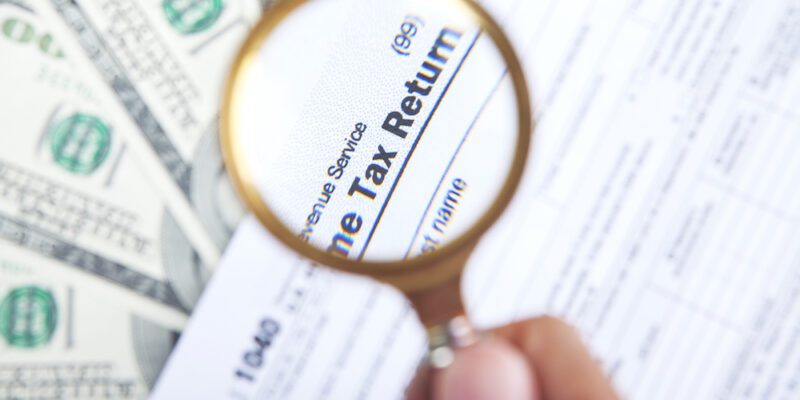
The sworn detractors of the Bola Ahmed Tinubu presidency are having a field day on the issue of tax reform particularly the tax reform bills proposed by the administration which has generated such sandstorms in the North of the country that one would think Africa’s most populous economy and democracy is about to be reduced to dust.
The tax reform bills which have at once become lightning rods for the administration as well as rods for its own back have provoked such strong reactions in the National Assembly and all over the country as to beg the question: what is a country that cannot properly mop up its taxes and plough those taxes into its development?
Recently, two pressure groups in Nigeria converged on the issue of taxation. First, the Arewa Youth Consultative Forum(AYCF) warned the government to bin proposed tax reforms and improve security even as it made a not-too-subtle threats about the 2027 election. The Nigeria’s Governors Forum was next to weigh in, endorsing the tax reform bills.
It is a country very much on edge as a new government settles into office as it succeeds another which superintended eight disastrous years for the country. Birds of identical plumage? Very much so.
The question of taxation in Nigeria orbits around revenue — money. For those who govern and the governed in Nigeria, public funds. At the root of taxation politics which has some sections of the country in such agitation is the question of who remits what and who gets what. In all of it, there is the unacknowledged admission that those in charge of the country cannot be trusted with public funds. A dicey situation is when a tax collector cannot be trusted with the proceeds of his process because the tax collector is just as untrustworthy as his process.
The problem with the taxation conversation In a country as unexpectedly underdeveloped as Nigeria is that there is very weak correlation between remittances and development. For years now, the state has collected trillions of Naira in taxes while struggling mightily to justify or account for the huge amounts. This is a very sticky point for Nigerians.
When the state becomes a taskmaster, driving those under it really hard, what is their fate? In a country where inequality is a viciously visible and incredibly demoralizing denominator, it is alarming that taxes have not amounted to much.
Instead of visibly engendering a higher and better quality of life for Nigerians, it is the taskmasters themselves who have been doing quite well for themselves, living large, off the pockets of one of the most gifted but chronically underdeveloped countries in the world.
It is rather unfortunate that Nigeria’s pugnacious army of tribalists and ethnic jingoists has turned debates on taxation into piercing polemics on Nigeria’s historic ethnic and religious fault lines. In their quest to defend their regions whom they have largely failed to defend from abject poverty, they have failed to be accountable themselves or demand accountability for decades of receiving and spending public funds.
These all mean only one thing—that at heart they are not interested in how taxation helps Nigeria’s development, but only in the politics of it, especially as it can help them score cheap political points.
When the conversation turns on taxation in Nigeria, Nigeria’s taskmasters should be seen to be doing more.
Ike Willie-Nwobu,
Ikewilly9@gmail.com



The Pragmatism of Principle: Redefining Loyalty in an Age of Change -By Florence Ozor
While I do not endorse political nomadism, one must acknowledge that strategic realignment can be expedient. Take Peter Obi: after...


Lessons for Today: MLK for Continental African Leadership – A Psychoafricalytic Mirror for Power, Dignity, and Continental Renewal -By Psychologist John Egbeazien Oshodi
When African leaders abandon indigenous wisdom, they often adopt the colonial logic of control. Citizens become subjects. Protest becomes treason....


The Poverty Crisis: A Global Challenge to Human Dignity and Development -By Jennifer Joab
The poverty crisis is not just an economic problem but a profound human tragedy that affects the social, political, and...

Good Governance as a Tool for National Development -By Blessing Matthew
Good governance prioritizes the interests and welfare of the people above personal or sectional interests. It encourages transparency, accountability, rule...


Role of Youths in Nation Building -By Kusompwa Lazarus Motiyedi
It is true that today’s youth did not experience the horrors of the Nigerian Civil War or the severe economic...