
Agriculture
The Beauty Of Agriculture -By Bulus Chongsu John
Agriculture is deeply intertwined with the social and cultural fabric of many societies. It shapes the way people live, eat, and interact with one another.

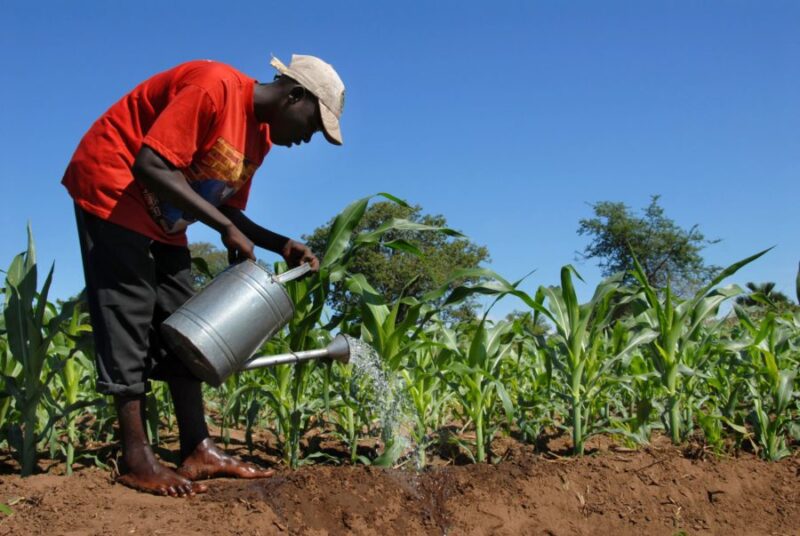
Agriculture has been a part of human civilization since the dawn of history, playing a vital role in the survival and development of mankind. Its significance extends to various aspects of human life and has far-reaching implications for the nations of the world.
In simple terms, agriculture refers to the cultivation of crops and rearing of animals for human consumption. Farmers often sell their produce for income. In my community, agriculture is predominantly practiced by everyone as it is the primary source of income.
The community I live in grows a variety of crops for their consumption, including rice, maize, guinea corn, potatoes, tomatoes, and pepper, as well as livestock like cows, sheep, chickens, and goats. Agriculture is also responsible for funding our education, as it is the primary source of income for most families in my community.
Here are some of the key reasons why agriculture is vital to humanity and nations:
1. Food Production: Agriculture is the primary source of food for the ever-growing global population. Without agriculture, it would be impossible to meet the food demands of millions of people, leading to hunger and malnutrition.
2. Economic Development: Agriculture serves as a significant source of income and livelihood for millions of people worldwide, particularly in developing countries. It contributes to the Gross Domestic Product (GDP) and creates employment opportunities, thereby fostering economic growth and stability.
3. Environmental Sustainability: Agriculture plays a crucial role in maintaining environmental balance by promoting sustainable farming practices such as crop rotation, organic farming, and water conservation. These practices help preserve natural resources, mitigate climate change, and promote biodiversity.
4. International Trade: Agricultural products form a substantia Agriculture has been an integral part of human civilization since the dawn of history, playing a vital role in the survival and development of mankind. Its significance extends to various aspects of human life and has great implications to the nations of the world.
5. Social and Cultural Impact: Agriculture is deeply intertwined with the social and cultural fabric of many societies. It shapes the way people live, eat, and interact with one another.
Festivals, traditions, and local cuisines often revolve around agricultural products, reflecting the integral role agriculture plays in defining cultural identities.
In conclusion, agriculture is indispensable to mankind and nations due to its immense contributions to food security, economic development, environmental sustainability, international trade, and social well-being. Having discussed the importance of agriculture, governments and organizations should continue investing in research, technology, and infrastructure to ensure a prosperous future for all.
Bulus Chongsu John writes from HNDII Mass Communication department Abubakar Tatari Ali Polytechnic Bauchi and can be reached via johnbuluschongsu@gmail.com


Why African Leaders Must Fix Governance Before Crying Sovereignty -By Isaac Asabor
One of the great contradictions of African leadership today is selective morality. Leaders speak passionately about international law while violating...


Baba Has Entered The Classroom -By Isaac Asabor
If what Trump is doing is walking into a noisy global classroom and insisting on discipline, then let us be...


As Trump Exposes Why Tinubu Must Go Sooner -By SKC Ogbonnia
The Nigerian president is not only culpable of heinous crimes, but he is also weakened beyond redemption. His continued stay...


How Lavrov’s Philosophy of “Ubuntu” Reflects on the Level of Africa’s Media Presence in Russia -By Kestér Kenn Klomegâh
The December 19–20 Ministerial Conference reaffirmed commitments to fully implement the Russia–Africa Partnership Forum Action Plan (2023–2026), adopted at the...
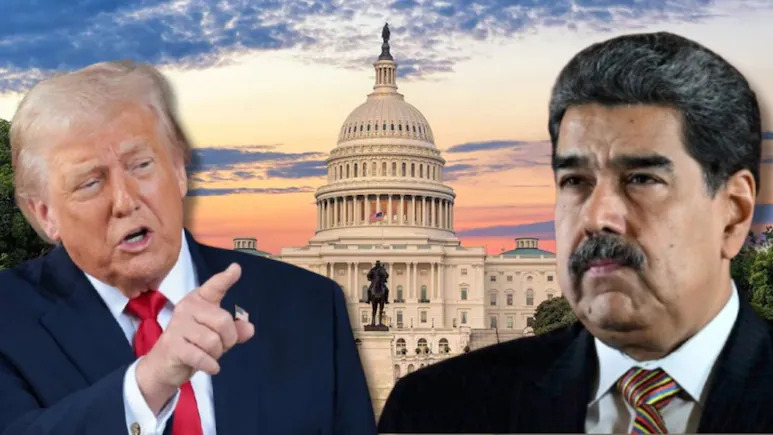
Why Trump’s Move Against Maduro Makes Sense -By Isaac Asabor
Trump’s decision also invites other nations to step up, to reconsider their passive complicity in the face of egregious abuse....