
Democracy & Governance
The Cost of Building: Reflections from Inside Northern Nigerian Governance -By Naufal Ahmad
We need a new ethic of engagement. I’m not saying don’t question leaders. I’ve been an internal critic for most of my public life. I’ve challenged decisions, rejected bad policy, and insisted on integrity even when it cost me political currency. Criticism is necessary, but only when it is done in the spirit of construction, not destruction.


I have spent my entire adult life inside and around politics. Before I was even eligible to vote, I was walking door to door in Katsina, volunteering for APP, ANPP, CPC the opposition parties of that time. We didn’t have data or money, but we had belief. I’ve shouted party slogans in the sun, carried chairs for campaign events, and sat on plastic stools to explain manifestos to strangers.
Years later, I’d find myself in campaign strategy meetings, sitting on committees, advising governors, leading call centres, manning election situation rooms and eventually, by Allah’s grace, leading a government agency and sitting in the Executive Council of Katsina State.
I have seen power from every angle: from the ground to the top. And one thing I’ve learned is this leadership is far more delicate, more complex, and more costly than most people realize. Especially when you’re genuinely trying to do right.
Leadership Is Declining Not Because We Don’t Have Leaders, But Because We’re Losing the Builders
Northern Nigeria is not short on brilliant people. We have them in our schools, our streets, our WhatsApp groups. But these people are no longer stepping up to lead. Why? Because they’ve seen what happens to those who try.
When I was younger, I thought leadership was the highest form of service. I still believe that, but now I also know it can be the fastest way to become a target. The good ones get mocked. The careful ones get sabotaged. The dreamers get criminalized.
Mob Culture Is Killing Public Spirit.
This is what I call the rise of Mob Culture : a social dynamic where intelligent discourse is hijacked by cynical takedowns. It’s not just the uninformed anymore. Some of our brightest minds are now lending their voices to the chorus of public ridicule, often not realizing that they are tearing down the very same people they once prayed for.
Let me give you an example.
In my agency, we’ve hosted town halls and stakeholder sessions to build in the open. We said: come, hear our plans, challenge us, contribute. And people came, smart people. But instead of engaging the ideas or offering better ones, they came with sneers, sarcasm, and superiority.
They didn’t show up to improve things, they came to perform their cynicism.
As a public servant, it’s disheartening. You open the door, not to applause or critique, but to ridicule. And this is the exact reason why many others in public service shut their doors entirely.
But not me.
The Weight of Cultural Conservatism
Another layer is cultural. In the North, we carry our traditions with pride, and rightly so. But sometimes, that pride turns into resistance. Anything new is seen as arrogance. If you communicate differently, use technology, or reach the people directly, you’re branded as “too much,” or dismissed as a “media leader.”
Meanwhile, those doing nothing remain unquestioned.
This attitude has blocked so many innovations before they even had the chance to start. It’s a kind of cultural self-sabotage. We are suspicious of our own possibilities.
Why Are We Glorifying the Critics Who Risk Nothing?
There’s a trend I’ve watched with quiet concern: we are beginning to worship fault-finders. People who’ve never led a thing, never built a block, never contested a position, never raised a hand to help, yet they dominate our discourse.
They are witty, sarcastic, loud. They get retweets. They sound smart. But they are not building anything.
Meanwhile, the people showing up to work, sweating through bureaucracy, pushing policies, navigating real limitations, they are dismissed with a tweet or a meme.
This is not criticism. It is sabotage.
What Nigeria & the North Urgently Needs
We need a new ethic of engagement. I’m not saying don’t question leaders. I’ve been an internal critic for most of my public life. I’ve challenged decisions, rejected bad policy, and insisted on integrity even when it cost me political currency. Criticism is necessary, but only when it is done in the spirit of construction, not destruction.
What we need is constructive intelligence:
• People who question, but also propose.
• People who critique, but also commit.
• People who dare to join the mess, not just comment from the sidelines.
And above all, we need to protect the few trying to build, not throw stones at them simply because they dared to step forward.
An Open Appeal to the Intelligent and Sincere
If you’re reading this, and you are one of the brilliant ones, the capable ones, the opinionated but honest ones, I am begging you:
Don’t join the mob. Don’t let your voice be weaponized against your own values. Don’t eat from the table of cynicism when you could be helping set the table of reform.
This country is hard. Northern Nigeria is even harder. But some of us are still trying. Let us not be few. Let us be more. Let us build.
Even if we fail, let it be said that we tried.

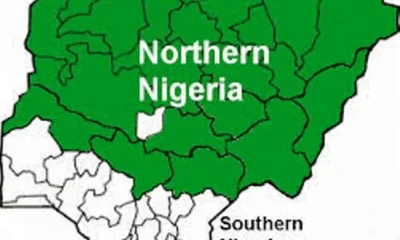

The Cost of Building: Reflections from Inside Northern Nigerian Governance -By Naufal Ahmad
We need a new ethic of engagement. I’m not saying don’t question leaders. I’ve been an internal critic for most...


Genotype Confirmation: Why It Must Be Included As Part Of The Elements Of Marriage -By Tajudeen Abdulrauf Dasuki
Sickle cell is not a mere disease , that we count as minor issue, it is only those have it,...

Between The Palace And The Police: Where Does Justice For Don Pedro Obaseki Lie? -By Isaac Asabor
Justice cannot lie in fear. It cannot lie in mobs. It cannot lie in silence. Justice lies in a firm...


“I Will Tell Trump For You”: Nigeria’s Age-Old Habit Of Outsourcing Accountability -By Isaac Asabor
The problem is that Nigeria’s “big brother” is rarely in a position to intervene meaningfully. Tweets, speeches, and public condemnation...

Holding the Line: Why the EFCC Deserves Support in a Difficult Fight -By Prof. John Egbeazien Oshodi
Yet there is something Nigerians must also remember: the men and women inside this institution have not surrendered. They are...