
Sports
The Double-Edged Sword of P2P Trading Platforms: Freedom vs Responsibility
Traditional finance is built on institutional trust: banks, regulators, and insurers guarantee safety. Peer-to-peer systems replace this with distributed trust: escrow services, reputation scores, and direct negotiation between traders. This shift has cultural and social benefits, building communities of accountability. Still, it also carries a risk — reputation systems can be manipulated, escrow processes misused, and new users deceived. The P2P trading platform is therefore not a trust-free system but a trust-shifted one, where confidence is built through vigilance rather than institutional oversight.

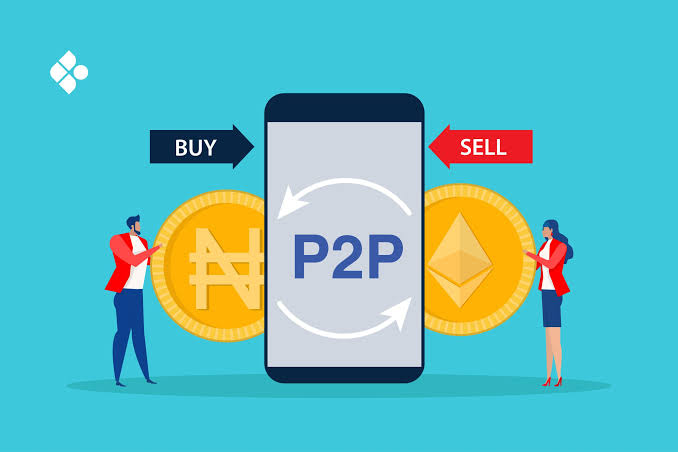
The rise of the P2P trading platform has been hailed as a breakthrough in the world of finance. By removing intermediaries, it promises accessibility, flexibility, and independence on a global scale. Yet, like any innovation, it comes with complexities. Peer-to-peer trading is not a utopia of frictionless transactions; it is a system where freedom is balanced by responsibility, and opportunity coexists with risk. To understand why peer-to-peer trading has become both a powerful enabler and a potential trap, we must look at the double-edged nature of its design.
Freedom Through Autonomy
One of the greatest appeals of the P2P trading platform is the autonomy it offers. Unlike centralised exchanges, where rules are fixed and custodians hold user funds, peer-to-peer systems put individuals in direct control. A user can set prices, choose payment methods, and decide which counterparties to trust. For those excluded from traditional banking or frustrated by costly intermediaries, this freedom is transformative. It allows people in remote regions to connect to global markets and empowers freelancers, migrants, and entrepreneurs to handle finances on their own terms.
Responsibility That Cannot Be Delegated
But with freedom comes responsibility. On a P2P trading platform, users must secure their private keys, verify counterparties, and remain vigilant against fraud. If a mistake is made — a phishing link clicked, a seed phrase revealed — there is no central authority to reverse the damage. For many, this learning curve is steep. The same autonomy that liberates also exposes individuals to risks that traditional systems would normally absorb. Responsibility becomes not an option, but the price of independence.
The Appeal of Low Costs
Another edge of this sword lies in pricing. A P2P trading platform often offers far lower transaction costs than banks or centralised exchanges. Migrant workers can send remittances home without losing a week’s wages to fees. Entrepreneurs can accept international payments without opening a costly merchant account. These savings improve lives and strengthen communities. Yet, low costs sometimes obscure hidden dangers. Scammers exploit the promise of cheap deals to lure victims into fraudulent trades, reminding users that affordability must always be balanced with caution.
Trust Without Institutions
Traditional finance is built on institutional trust: banks, regulators, and insurers guarantee safety. Peer-to-peer systems replace this with distributed trust: escrow services, reputation scores, and direct negotiation between traders. This shift has cultural and social benefits, building communities of accountability. Still, it also carries a risk — reputation systems can be manipulated, escrow processes misused, and new users deceived. The P2P trading platform is therefore not a trust-free system but a trust-shifted one, where confidence is built through vigilance rather than institutional oversight.
Global Inclusion vs Global Exposure
The most striking advantage of peer-to-peer trading is inclusion. A P2P trading platform brings financial access to billions of unbanked individuals, integrating them into global commerce. It supports local payment methods, adapts to diverse economies, and thrives where banks cannot reach. Yet this inclusivity also expands the playing field for fraudsters. Scams that once targeted small circles can now operate across continents, exploiting inexperienced users. The same system that empowers communities also requires them to shoulder global risks.
Regulation: Friend or Foe?
The regulatory debate illustrates the double-edged nature of peer-to-peer trading. Stricter oversight may reduce fraud and improve safety, but it can also strip away the very freedoms that make these platforms appealing. A P2P trading platform must navigate this tension, integrating compliance tools such as decentralised identity verification and AI-driven monitoring while preserving accessibility. Too much oversight risks suffocating innovation; too little risks undermining trust. The balance remains fragile, and the future of these platforms may hinge on finding it.
Looking Toward the Future
The double-edged nature of peer-to-peer trading does not diminish its importance — it highlights its complexity. A P2P platform offers a vision of finance that is more inclusive, more adaptable, and more human-centred than the institutional systems of the past. But it demands maturity from its users, education from its operators, and thoughtful engagement from regulators. The platforms that succeed will be those that embrace this duality, transforming freedom and responsibility into complementary forces rather than opposing ones.
The destiny of peer-to-peer systems lies not in avoiding their risks but in mastering them. The P2P trading platform has already proven its power to reshape finance; whether it outlasts traditional exchanges will depend on how well users, communities, and innovators learn to handle both sides of its blade.



The Pragmatism of Principle: Redefining Loyalty in an Age of Change -By Florence Ozor
While I do not endorse political nomadism, one must acknowledge that strategic realignment can be expedient. Take Peter Obi: after...


Lessons for Today: MLK for Continental African Leadership – A Psychoafricalytic Mirror for Power, Dignity, and Continental Renewal -By Psychologist John Egbeazien Oshodi
When African leaders abandon indigenous wisdom, they often adopt the colonial logic of control. Citizens become subjects. Protest becomes treason....


The Poverty Crisis: A Global Challenge to Human Dignity and Development -By Jennifer Joab
The poverty crisis is not just an economic problem but a profound human tragedy that affects the social, political, and...

Good Governance as a Tool for National Development -By Blessing Matthew
Good governance prioritizes the interests and welfare of the people above personal or sectional interests. It encourages transparency, accountability, rule...


Role of Youths in Nation Building -By Kusompwa Lazarus Motiyedi
It is true that today’s youth did not experience the horrors of the Nigerian Civil War or the severe economic...