
National Issues
The Impact of Oil Dependence on Nigeria’s Economy -By Talent Akpan
Addressing these challenges will require cooperation from various stakeholders, including government officials, private sector leaders, and civil society organizations. By working together, Nigeria can reduce its reliance on oil and build a more sustainable, diversified economy.

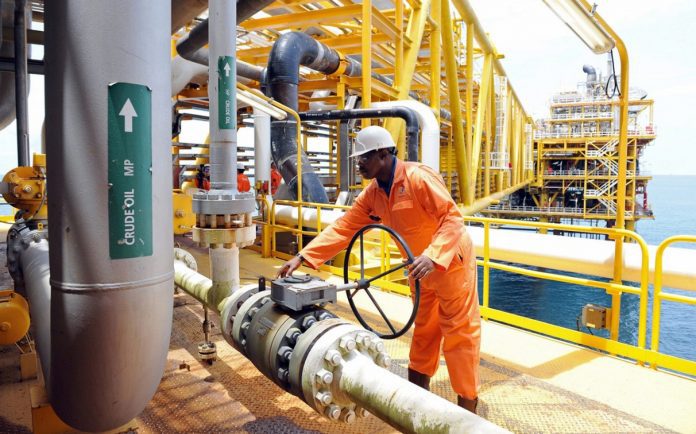
Nigeria’s economy has been heavily reliant on oil exports for decades, accounting for approximately 70% of government revenue and 90% of foreign exchange earnings. This dependence has far-reaching consequences, affecting various aspects of the country’s economic, environmental, and social landscape.
The country’s over-reliance on oil has hindered the development of other sectors, such as agriculture, manufacturing, and services. This lack of diversification makes Nigeria vulnerable to fluctuations in global oil prices, leading to economic instability and uncertainty. Moreover, oil wealth has fueled corruption, with estimates suggesting billions of dollars lost to mismanagement and embezzlement.
Furthermore, oil exploration and production have devastated Nigeria’s environment, particularly in the Niger Delta region. The degradation of natural habitats and resources has severe implications for local communities, affecting their livelihoods and well-being.
Despite these challenges, opportunities exist for diversification. Nigeria has vast agricultural potential, with opportunities for growth in crops like cassava, rice, and maize. Developing manufacturing sectors, such as textiles and electronics, can create jobs and stimulate economic growth. Growing the services sector, including finance, tourism, and IT, can reduce reliance on oil. Investing in renewable energy sources, like solar and wind power, can also reduce dependence on fossil fuels.
To mitigate the risks associated with oil dependence, policy reforms are necessary. Implementing diversification strategies, investing in human capital, ensuring transparency and accountability, and implementing economic reforms can promote sustainable economic growth and development.
Some potential strategies for diversification include:
– Developing infrastructure to support non-oil sectors
– Providing incentives for private sector investment
– Enhancing education and training programs
– Encouraging foreign investment
– Promoting entrepreneurship and innovation
However, implementation challenges exist. Institutional weaknesses require strengthening, powerful interests may resist reforms, and Nigeria’s infrastructure requires significant investment to support non-oil sectors.
Addressing these challenges will require cooperation from various stakeholders, including government officials, private sector leaders, and civil society organizations. By working together, Nigeria can reduce its reliance on oil and build a more sustainable, diversified economy.
Nigeria’s oil dependence poses significant economic, environmental, and social challenges. Diversification and policy reforms can help mitigate these risks, promoting sustainable economic growth and development.


Africa’s Crisis of Military Coups and Insecurity -By Safiya Zakari Muhammad
The erosion of democracy has also weakened regional and international security cooperation. In some cases, juntas have expelled traditional partners...

Governor Uba Sani’s Resolute Commitment On Rural Development -By Abdulrashid Sani Gimi
In the long run, the 2026 fiscal strategy transcends conventional budgetary practice. With a total outlay of ₦985.9 billion, a...


Lack of Financial Support Holding Back Russia’s Economic Influence in Africa: A Case Study of Missed Opportunities in Nigeria -By Kestér Kenn Klomegâh
As Africa's largest economy, Nigeria cannot afford another decade of promises without projects. The future of its development lies with...


The Impact Of Social Media On Youth Mental Health -By Jemimah Hezekiah
Governments and tech companies also have a role to play. Enforcing anti-cyberbullying policies, offering digital literacy programs, and providing mental...

Every Night We Pray to Survive: Voices from Insecure Communities -By Rinret istifanus
As the nation debates policies and strategies, these voices remind us that insecurity is not just a headline it is...