
National Issues
The Impact Of Social Media On Teenagers -By Zainab Haruna Abba
Encouraging face-to-face contact with friends is particularly important for teens vulnerable to social anxiety disorder. Parents should talk openly about social media and its potential impact, sharing their own social media habits and asking teens how they use social media and how it makes them feel.


Social media has become an integral part of teenagers’ lives, but its impact on their well-being and mental health is a topic of concern.
Social media allows teenagers to connect with friends and family, share their thoughts and experiences, and access information and resources. It can also provide a platform for self-expression and creativity. Additionally, social media can be a powerful tool for raising awareness about important issues and promoting social change.
The impact of social media on teenagers can be significant. It’s not just a case of losing sleep and getting distracted during the day. social media can have far-reaching negative effects on a teen’s mental health.
As the adolescent brain is still developing, it’s more vulnerable to time online. And since teens can sometimes struggle to self-regulate their screen time, their exposure and the risk of harmincreases. As a result, teen social media use often correlates with: depression, anxiety, low self-esteem, envy and loneliness.
However, there are steps parents can take to encourage responsible use of social media and limit its negative effects. Setting reasonable limits on social media use is crucial. Parents should talk to their teens about avoiding interference with activities, sleep, meals, or homework. Establishing a bedtime routine that avoids electronic media use and keeping cellphones and tablets out of bedrooms is also essential.
Monitoring teens’ social media accounts regularly is vital. Parents should let their teens know they will be checking their accounts and follow through. Explaining what’s not okay to share or do online, such as gossiping, spreading rumors, bullying, or damaging someone’s reputation is also important.
Encouraging face-to-face contact with friends is particularly important for teens vulnerable to social anxiety disorder. Parents should talk openly about social media and its potential impact, sharing their own social media habits and asking teens how they use social media and how it makes them feel.
Reminding teens that social media is full of unrealistic images can help mitigate negative effects. By setting guidelines and teaching responsible use, parents can help protect their teens.
In 2023, an estimated 4.9 billion people worldwide are expected to use social media. For teens who grew up with technology, those digital platforms are woven into the fabric of their lives. “Social media is here to stay,” said Mary Alvord, PhD, a clinical psychologist in Maryland and adjunct professor at George Washington University, and a member of the APA panel. That doesn’t mean we have to accept its dangers, however. “Just as we decide when kids are old enough to drive, and we teach them to be good drivers, we can establish guidelines and teach children to use social media safely,” Alvord said.


Africa’s Crisis of Military Coups and Insecurity -By Safiya Zakari Muhammad
The erosion of democracy has also weakened regional and international security cooperation. In some cases, juntas have expelled traditional partners...


Governor Uba Sani’s Resolute Commitment On Rural Development -By Abdulrashid Sani Gimi
In the long run, the 2026 fiscal strategy transcends conventional budgetary practice. With a total outlay of ₦985.9 billion, a...


Lack of Financial Support Holding Back Russia’s Economic Influence in Africa: A Case Study of Missed Opportunities in Nigeria -By Kestér Kenn Klomegâh
As Africa's largest economy, Nigeria cannot afford another decade of promises without projects. The future of its development lies with...
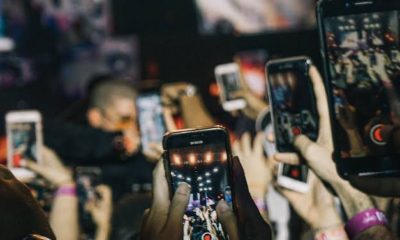

The Impact Of Social Media On Youth Mental Health -By Jemimah Hezekiah
Governments and tech companies also have a role to play. Enforcing anti-cyberbullying policies, offering digital literacy programs, and providing mental...

Every Night We Pray to Survive: Voices from Insecure Communities -By Rinret istifanus
As the nation debates policies and strategies, these voices remind us that insecurity is not just a headline it is...