
Political Issues
Tinubu’s Party, Yilwatda’s Rules, Wike’s Empire: When APC Discipline Meets Rivers Strongman Power -By Professor John Egbeazien Oshodi
Leaders like Yilwatda are correct to pursue inclusion, structure, and verifiable membership systems, because democracy cannot survive on guesses and intimidation. But that effort must be matched by a political culture where public officers, including powerful ministers, understand that their greatness is proven by discipline and service, not by how loudly they can dismiss parties, or how confidently they can speak as if the president is secondary. The nation will grow when power learns manners, when influence learns restraint, and when leadership learns that the highest authority is not intimidation, but responsibility.

When a Minister Talks Like the Presidency Is a Background Detail
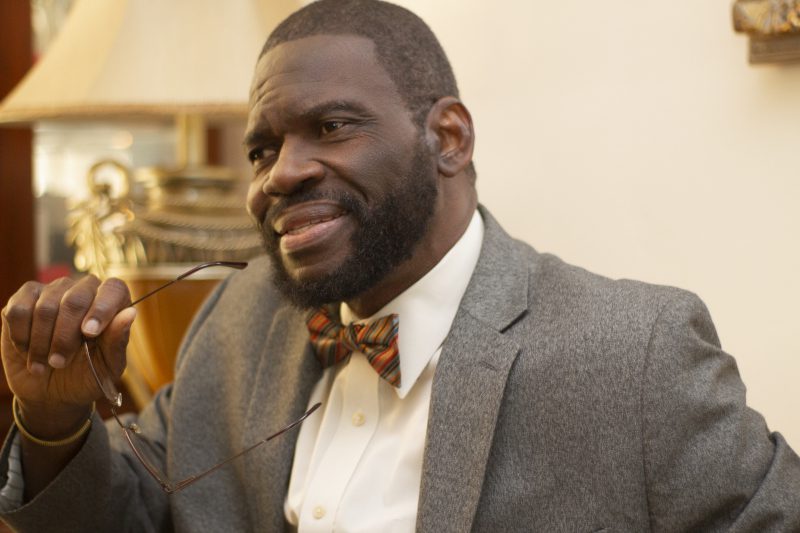
The painful part Nigerians are now forced to confront is not only that Nyesom Wike speaks as if parties do not matter in Rivers State, but that he speaks as if the presidency itself can be treated like a background detail. This is what makes the moment feel insulting to the public mind. Wike is a minister under President Bola Ahmed Tinubu, yet his language, posture, and public performance often give the impression that he is not merely working for the president, but working above the normal boundaries of presidential authority. It is one thing for a minister to be influential. It is another thing for a minister to behave as if national power must adjust itself around his personal dominance.
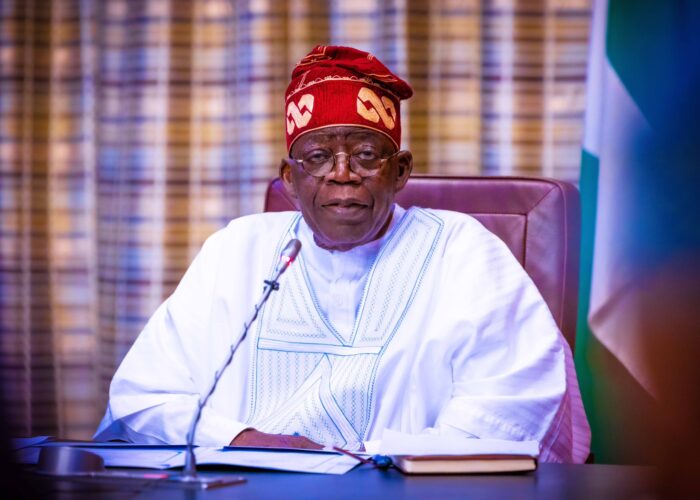
President Bola Tinubu
The Psychology of Political Arrogance and Delegated Power
This is where the psychology of political arrogance becomes clear. In a functioning democracy, a minister is meant to represent delegated authority, meaning the minister acts with the president’s trust, but still operates within limits, humility, and collective responsibility. But when a minister behaves as if he can speak like the final owner of political space, he begins to send a public message that authority is not institutional, it is personal. That is how people begin to feel that Tinubu is the official president, but Wike is the operational president in certain political spaces. This kind of dynamic does not just distort government, it weakens the symbolic meaning of the presidency itself.
A Political Style Built on Presence, Not Restraint
Wike’s political style has always been built around force of presence. He enters spaces loudly, speaks with certainty, and creates the impression that the room must revolve around him. That approach can win battles, but it damages national maturity. When he tells Rivers people that Abuja is not his place and that he will be coming home every week, he is not just talking about visiting his people. He is signaling that his political base remains the real center of his identity, and that the national assignment is simply a job location. In normal systems, that statement would raise serious concern about focus, boundaries, and divided loyalty. But in Nigeria, power is so personalized that such a statement becomes applause material.
What Citizens Learn When Dominance Goes Unchecked
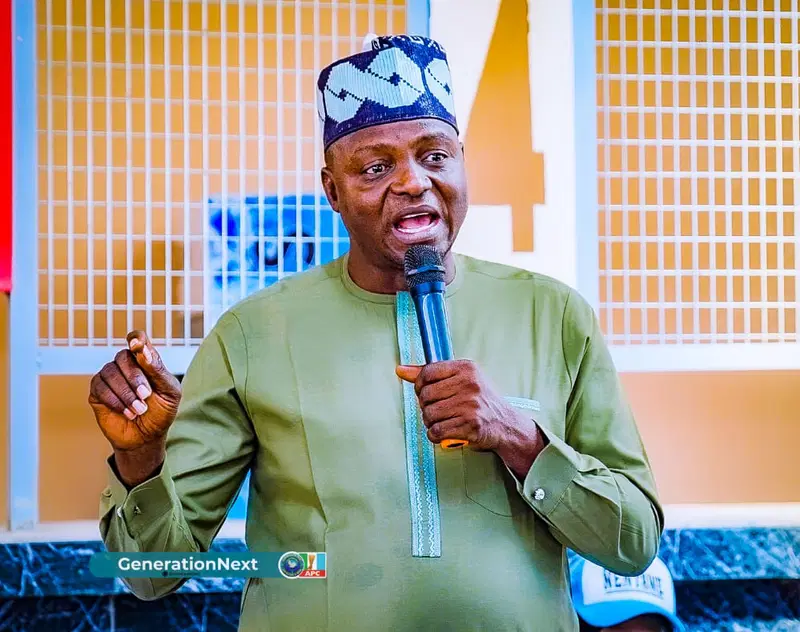
The deeper wound is what the public learns from it. If a minister can speak like this, and no clear institutional correction follows, citizens internalize a dangerous lesson: that government roles do not necessarily come with discipline, and that proximity to power can become a license to behave without restraint. When public officials model uncontrolled dominance, citizens begin to mirror it in daily life. They begin to believe that leadership is loudness, that authority is intimidation, and that respect is something you force out of people. This is how political culture becomes social culture, and the nation’s emotional health declines quietly.
Yilwatda’s Discipline Versus Wike’s Dominance
Now compare that posture with Professor Nentawe Yilwatda’s message as APC chairman. Yilwatda is speaking the language of party discipline, inclusion, and measurable membership structure. He is saying register everyone, no one should be excluded, and failure will have consequences. That is an attempt to build a party that functions like an institution. But Wike’s posture in Rivers is the opposite direction, where party identity is mocked, and personal structure is treated as the only true political reality. In psychological terms, one leader is trying to build order through systems, while another leader is building order through dominance. Nigerians are watching both approaches at once, and the fear is that dominance is still louder than systems.
The National Embarrassment of a Politically Unmoored Power Broker
The most troubling aspect is that Wike is not even APC by identity, and his relationship with the PDP has been deeply ruptured, yet he speaks as if political parties are irrelevant in his territory. That alone is a national embarrassment. But when he does it while serving under Tinubu, it becomes a deeper institutional humiliation. It suggests that Nigeria’s political system still allows power brokers to operate like independent governments inside the government, with their own crowd psychology, their own street level control, and their own definition of political reality. That is not federal democracy, that is a layered power arrangement where some actors behave as if they are larger than the structure they serve.
Tinubu’s Burden: The Presidency Must Draw Boundaries
This is where Tinubu’s role becomes psychologically important, even beyond policy and governance. A president must not only lead through appointments and decisions, he must lead through clear boundaries that protect the dignity of the office and the coherence of national authority. If ministers begin to act like personal emperors, citizens start to question whether the presidency is directing the government or simply managing competing power centers. That uncertainty weakens the nation, because a country cannot move forward when the public senses that the leadership structure is fragmented, and that political giants inside government can speak as if they answer to no one.
How Nigeria’s System Rewards Domination and Injures Trust
But Nigeria’s tragedy is that the system has rewarded this behavior for too long. Political domination has often produced short term results, and those results have been mistaken for leadership strength. Yet the long term effect is national emotional damage. People begin to normalize disrespect, normalize political bullying, and normalize institutional confusion. They stop believing that rules protect anyone. They start believing only personal loyalty protects survival. That is how corruption grows, and that is how national trust dies, not only through stealing money, but through stealing the people’s belief that leadership can be sane.
A Therapeutic National Lesson: Strength Must Come With Maturity
The therapeutic lesson for the nation is that Nigeria needs leadership that can combine political strength with emotional maturity. Strength without maturity becomes intimidation. Power without restraint becomes arrogance. Influence without accountability becomes national poison. If Tinubu wants a stronger Nigeria, the presidency must encourage competence and loyalty, but it must also insist on boundaries, humility, and respect for institutional order. Ministers must serve their assignments without turning national roles into personal theatre. Parties must rebuild themselves as institutions, not as platforms for strongmen. Citizens must learn to celebrate service more than drama, and results more than loudness.
The Better Way Forward: National Recovery Through Restraint and Institution Building
Nigeria can still heal, but it requires political self control as a national value. The country must move from dominance politics to competence politics, from personality worship to institutional trust, and from emotional manipulation to responsible leadership communication. Leaders like Yilwatda are correct to pursue inclusion, structure, and verifiable membership systems, because democracy cannot survive on guesses and intimidation. But that effort must be matched by a political culture where public officers, including powerful ministers, understand that their greatness is proven by discipline and service, not by how loudly they can dismiss parties, or how confidently they can speak as if the president is secondary. The nation will grow when power learns manners, when influence learns restraint, and when leadership learns that the highest authority is not intimidation, but responsibility.



Amnesty International’s Selective Outrage And The Sowore Narrative -By Kelvin Adegbenga
Amnesty International also appears to suffer from institutional amnesia. It is on public record that the Nigerian Army once called...

Russia’s Future Outlook With Africa Depends On Strategic Action Plan (2023-2026) -By Kestér Kenn Klomegâh
So many Russian speaking African experts who were trained by the Soviet Union can still bolster a Russian re-engagement with...


Manduro: How nations lose territories in peacetime – Lessons for Nigeria -By Ebuka Ukoh
Manduro reflects the same logic. Developing countries do not lose territory because their citizens suddenly change. They lose it because...

Abebe Selassie to Retire as Director of African Department at IMF -By Kestér Kenn Klomegâh
Concessional financing to counter rising borrowing costs, with Africa paying up to 5 times more in interest than advanced economies...

Singapore’s Leaders Built An Economy; Nigeria’s Keep Building Excuses -By Isaac Asabor
Singapore paired economic growth with social stability. Through the Housing Development Board, the government built large-scale public housing, providing affordable...