
National Issues
When Stability Matters: Gauging Gusau’s Quiet Wins for Nigerian Football -By Barr. Adefila Kamal
Gusau’s effort to reposition the NFF is a reminder that real development is rarely glamorous. It is slow, disciplined and often misunderstood. But it is the only route that leads to the future we claim to want: a football system built on structure, modern governance, infrastructure, youth development and global influence. Nigeria will flourish when we start protecting our institutions instead of tearing them down after every misstep.

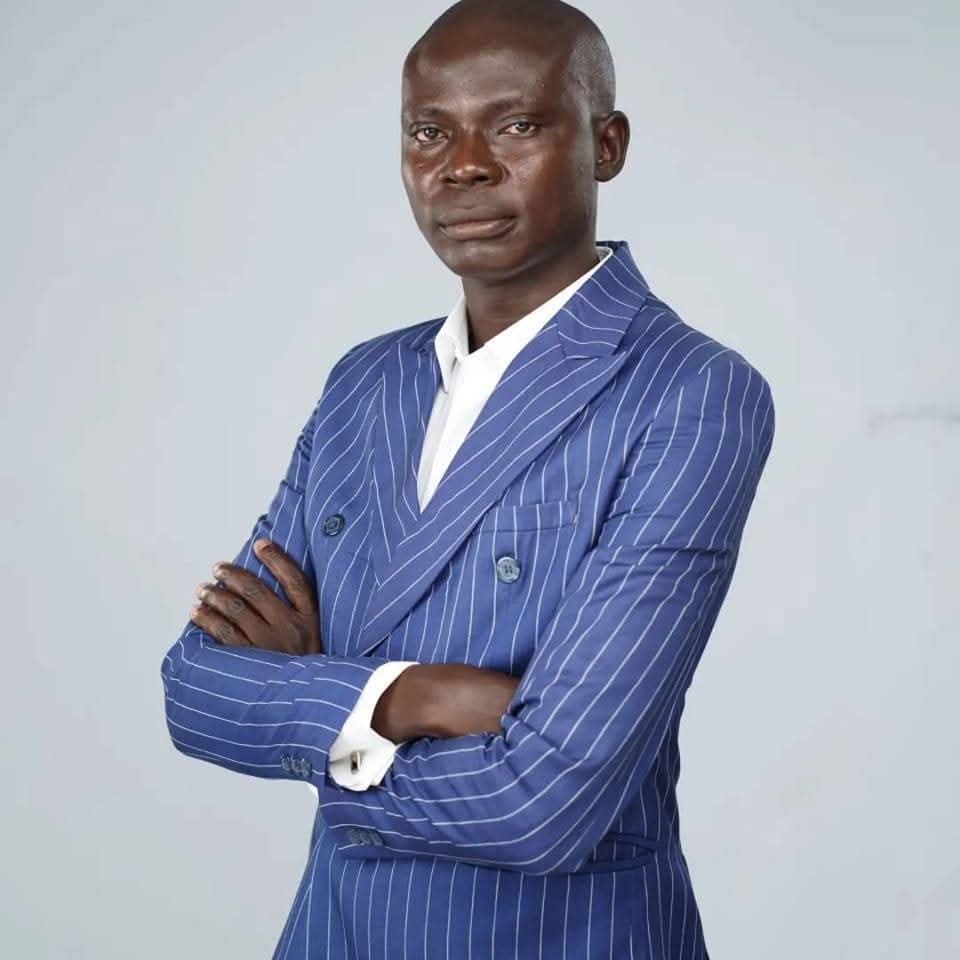
Football in Nigeria has never been just a sport. It is emotion, argument, nationalism, and sometimes heartbreak wrapped into ninety minutes. That passion is a gift, but it often comes with a tendency to shout down progress before it has the chance to grow. In the middle of this noise sits the Nigeria Football Federation under the leadership of Ibrahim Musa Gusau, a man who has chosen steady hands over loud speeches, structure over drama, and long-term rebuilding over chasing instant applause.
When Gusau took office in 2022, he understood one thing clearly: the only way to fix Nigerian football is to repair its foundations. He said it openly during the 2025 NNL monthly awards ceremony — you cannot build an edifice from the rooftop. And true to that conviction, his tenure has taken shape quietly through structural investments that don’t trend on social media but matter where the future of the game is built. The construction of a players’ hostel and modern training pitches at the Moshood Abiola Stadium is one of the clearest signs of this shift. Nigeria has gone decades without basic infrastructure for its national teams, especially youth and age-grade squads. Gusau’s administration broke that pattern by delivering the first dedicated national-team hostel in our history, a project that signals an understanding that success is not luck — it is preparation.
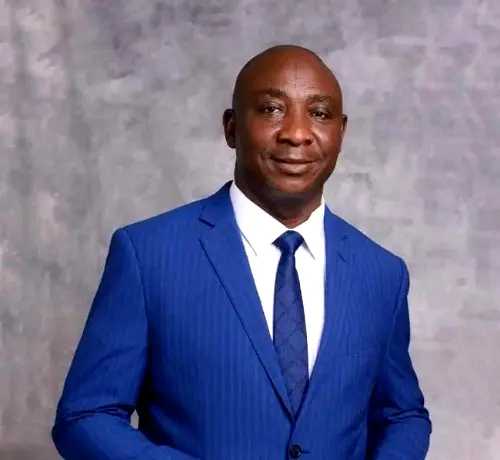
NFF President – Ibrahim Musa Gusau
The same thread runs through grassroots football. The maiden edition of the FCT FA Women’s Inter-Area Councils Football Tournament emerged under this administration, giving young female players a structured platform instead of the token attention they usually receive. These initiatives are not flashy. They do not dominate headlines. But they form the bedrock of any footballing nation that wants to be taken seriously.
Gusau’s leadership has also focused on lifting the domestic leagues out of years of decline. The NFF has revamped professional and semi-professional competitions, working to create consistent scheduling, fair officiating, and marketable competition structures. The growing number of global broadcasting partnerships — something unheard of in the old NPFL era — has brought more eyes, more credibility and more opportunities for clubs and players. Monthly awards for players, coaches and referees have introduced a culture of performance and merit, something our domestic game has needed for years. These are reforms that reshape the culture of football far beyond one season.
Internationally, Nigeria regained a powerful seat at the table when Gusau was elected President of the West African Football Union (WAFU B). This is not a ceremonial achievement. In football politics, influence determines opportunities, hosting rights, development grants, international appointments and the respect with which nations are treated. For too long, Nigeria’s voice in the region was inconsistent. Gusau’s emergence changes that, and it places Nigeria in a position where its administrative competence cannot be dismissed.
His administration has also made it clear that women’s football, youth development and academy systems are no longer side projects. There is a renewed intention to repair the broken pathways that once produced global stars with almost predictable frequency. If Nigeria is going to remain a powerhouse, development must become a machine, not an afterthought.
Still, for many observers, none of this seems to matter because the yardstick is always a single match, a single tournament or a single disappointing moment. Public criticism often grows louder than the facts. Fans want instant results, and when they don’t come, the instinct is to blame whoever is in office at the moment. But this approach has repeatedly sabotaged Nigerian football. Constant leadership changes wipe out institutional memory and scatter reform efforts before they mature. No nation becomes great by resetting its football house every time tempers flare.
Gusau’s leadership is unfolding at a time when FIFA and CAF are tightening their expectations for professionalism, financial transparency and infrastructure. Nigeria cannot afford scandals, disarray or combative politics. We need the kind of administrative consistency that global football bodies can trust — and this is exactly the lane Gusau has chosen. He has not been perfect; no administrator is. But he has been consistent, measured and focused. In an ecosystem that often rewards noise, this is rare.
For progress to hold, Nigeria must shift from the culture of outrage to a culture of constructive contribution. The media, civil society, ex-players, club owners, fan groups — everyone has a role. The truth is that Nigerian football’s biggest enemy has never been the NFF president, whoever he might be at the time. The real enemies are impatience, instability and emotional decision-making. They derail strategy. They kill reforms. They weaken institutions. And they turn football — our greatest cultural asset — into a battlefield of blame.
Gusau’s effort to reposition the NFF is a reminder that real development is rarely glamorous. It is slow, disciplined and often misunderstood. But it is the only route that leads to the future we claim to want: a football system built on structure, modern governance, infrastructure, youth development and global influence. Nigeria will flourish when we start protecting our institutions instead of tearing them down after every misstep.
If we truly want Nigerian football to rise, we must recognise genuine work when we see it. We must support continuity when it is clearly producing a roadmap. And we must resist the temptation to substitute outrage for analysis. Ibrahim Musa Gusau’s tenure is not defined by noise. It is defined by groundwork — the kind that elevates nations long after the shouting stops.
About the author:
Barr. Adefila Kamal is a legal practitioner and development specialist. He serves as the National President of the Civil Society Network for Good Governance (CSNGG), with a long-standing commitment to transparency, institutional reform and sports governance in Nigeria.



The Pragmatism of Principle: Redefining Loyalty in an Age of Change -By Florence Ozor
While I do not endorse political nomadism, one must acknowledge that strategic realignment can be expedient. Take Peter Obi: after...


Lessons for Today: MLK for Continental African Leadership – A Psychoafricalytic Mirror for Power, Dignity, and Continental Renewal -By Psychologist John Egbeazien Oshodi
When African leaders abandon indigenous wisdom, they often adopt the colonial logic of control. Citizens become subjects. Protest becomes treason....


The Poverty Crisis: A Global Challenge to Human Dignity and Development -By Jennifer Joab
The poverty crisis is not just an economic problem but a profound human tragedy that affects the social, political, and...

Good Governance as a Tool for National Development -By Blessing Matthew
Good governance prioritizes the interests and welfare of the people above personal or sectional interests. It encourages transparency, accountability, rule...


Role of Youths in Nation Building -By Kusompwa Lazarus Motiyedi
It is true that today’s youth did not experience the horrors of the Nigerian Civil War or the severe economic...