
Brand Matters
Why Offline-Friendly App Design Is Becoming Important in Emerging Markets

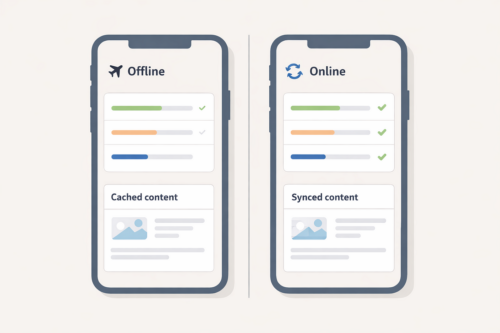
In most emerging markets, internet connectivity is often an issue. This creates a gap and an opportunity for offline-friendly app design. Nowadays, user expectations remain high regardless of network quality. As a result, mobile applications that go beyond ordinary user expectations, including offline functionality, gain a competitive edge. For online gaming platforms, this design approach guarantees reliability and improves time spent on the platform. It ensures that gamers retain access to partial functionality without requiring a stable internet connection.
Here are some of the reasons why offline-friendly app design is becoming important in emerging markets:
Improved Accessibility and User Experience
An offline-friendly design has a positive impact on accessibility, especially in regions with poor internet connectivity. In such markets, players often struggle with data limits and high mobile data costs. Offline-friendly designs also improve accessibility across multiple device types, including mobile phones and laptops. Platforms such as Betway have identified this challenge and designed their apps to maintain key functions regardless of internet quality. The Betway app download process is also easy and requires a small amount of data. Gamers who want to conduct research or access account details can still do so even during connectivity interruptions. This approach improves engagement and builds trust among users. Improved accessibility and user experience ensure betting platforms remain inclusive.
Maintaining Engagement Through Offline Functionality
Offline-friendly features also play a key role in maintaining user engagement. Examples include caching certain data and saving user content for later access. Each gaming platform implements these features differently based on internal systems and data analytics. This allows gamers to continue interacting with the platform during unpredictable situations, such as network disruptions or periods of high user traffic. Betway supports this approach by ensuring users can access relevant offline app features whenever possible. These platforms also have feedback mechanisms like surveys, and reviews that help improve offline app features. Maintaining continuous engagement gives betting platforms a competitive advantage by strengthening user trust and perceived value.
Supporting Market Expansion and Improving Loyalty
Offline-friendly design features encourage market growth and user loyalty in emerging markets. Users value reliability and availability, even when technical challenges arise. Platforms that rely entirely on constant internet access often fail to capture user activity during downtime. In contrast, platforms that remain partially accessible regardless of internet quality reach a wider audience. Betting platforms that incorporate offline-friendly features benefit from improved brand reputation and sustained engagement. This is a crucial venture as the casino industry is competitive, and user expectations vary. Offline access also enables users to plan strategies, track past performance, explore content, and familiarize themselves with platform features. Developers can further analyze offline interactions to enhance future app functionality.
The ideal betting platform recognizes that users frequently face challenges such as network disruptions and high data costs. This is why offline-friendly app design is becoming increasingly important. It allows for uninterrupted platform interaction and improved user behavior analysis. Gamers are more likely to trust platforms that prioritize accessibility and reliability. Ultimately, this leads to higher engagement and stronger brand recognition across emerging markets.



Role of Youths in Nation Building -By Kusompwa Lazarus Motiyedi
It is true that today’s youth did not experience the horrors of the Nigerian Civil War or the severe economic...


Putin Receives Newly Appointed Foreign Ambassadors in Bolshoi Kremlin Palace -By Kestér Kenn Klomegâh
According to him, the foundations of these relationships were laid back during the struggle of African peoples for freedom and...


Why Obi Cubana Shouldn’t Have Given His Life to Jesus (Part 1) -By Ugochukwu Ugwuanyi
But then, why the fuss about Obi Cubana's repentance, what with the American Rap King, Snoop Dog, repenting from gangsterism...


Invincible Defence Technology: Consciousness-Based Solutions to Interstate and Intrastate Violence -By Dr. David Leffler
Technology refers to the systematic application of knowledge and tools. In the case of IDT, this brain-based “technology” is the...


Amnesty International’s Selective Outrage And The Sowore Narrative -By Kelvin Adegbenga
Amnesty International also appears to suffer from institutional amnesia. It is on public record that the Nigerian Army once called...