
Forgotten Dairies
Youth Unemployment and Demographic Challenges in Nigeria: Aspirants, Job, Scarcity and Social Stability -By Faith Amos Tsarba
Youth unemployment is not only an economic issue; it is a social one. Prolonged joblessness often leads to poverty, dependence, and loss of self-worth among young people. When large numbers of youths feel excluded from economic opportunities, it can weaken social cohesion and increase vulnerability to social problems such as crime, insecurity, and substance abuse.

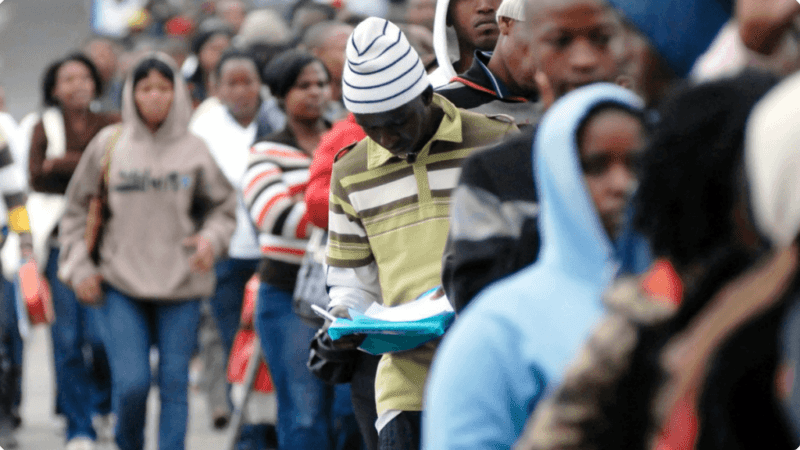
Nigeria stands at a critical crossroads defined by its youthful population and limited economic opportunities. With over half of its population under the age of 25, the country possesses what should be a powerful demographic advantage. However, widespread youth unemployment has turned this potential strength into a serious national challenge.
As young Nigerians struggle to find meaningful work, their aspirations increasingly clash with economic realities, raising concerns about social stability and the nation’s future development.
A Growing Youth Population with High Expectations
Nigeria’s young population is ambitious, energetic, and increasingly educated. Many youths aspire to secure stable employment, build successful careers, support their families, and contribute positively to society. Exposure to global culture through social media and technology has also broadened expectations, with young people seeking economic independence and upward mobility.
Yet, these aspirations are often unmet. Each year, universities and other tertiary institutions produce thousands of graduates, but the economy does not generate enough jobs to absorb them. As a result, many qualified young Nigerians remain unemployed or underemployed, working in jobs that do not match their skills or education.
Job Scarcity and Structural Challenges
One of the major drivers of youth unemployment in Nigeria is job scarcity. The formal sector remains small and unable to accommodate the growing labour force. Industries that traditionally provide employment, such as manufacturing and agriculture, face challenges including poor infrastructure, limited access to finance, and inconsistent government policies.
Additionally, there is a significant mismatch between the education system and labour market needs. Many graduates lack practical and technical skills demanded by employers, while vocational and technical education remains undervalued. This skills gap further reduces employability and deepens frustration among young people.
Social Consequences of Youth Unemployment
Youth unemployment is not only an economic issue; it is a social one. Prolonged joblessness often leads to poverty, dependence, and loss of self-worth among young people. When large numbers of youths feel excluded from economic opportunities, it can weaken social cohesion and increase vulnerability to social problems such as crime, insecurity, and substance abuse.
Furthermore, the lack of opportunities has fueled a strong desire among young Nigerians to migrate in search of better prospects abroad. This trend, often referred to as “brain drain,” deprives the country of skilled and talented individuals who could contribute to national development.
A society with a large population of unemployed and frustrated youths faces long-term stability risks.
Nigeria’s youth population can still become a driver of innovation, entrepreneurship, and economic growth if given the right support and opportunities.
The Way Forward
Addressing youth unemployment requires coordinated and sustained action. Education reforms must focus on practical skills, critical thinking, and employability. Greater investment in vocational training, technology, and entrepreneurship can help young people create jobs rather than depend solely on government employment.
The private sector also has a crucial role to play by expanding job opportunities and supporting youth-led enterprises. At the policy level, consistency, transparency, and effective implementation of youth-focused programmes are essential to restoring confidence and delivering real impact.
Conclusion
Nigeria’s youth unemployment crisis reflects deeper demographic and structural challenges. While young Nigerians continue to dream and aspire, job scarcity limits their ability to realize these goals.


Why African Leaders Must Fix Governance Before Crying Sovereignty -By Isaac Asabor
One of the great contradictions of African leadership today is selective morality. Leaders speak passionately about international law while violating...


Baba Has Entered The Classroom -By Isaac Asabor
If what Trump is doing is walking into a noisy global classroom and insisting on discipline, then let us be...


As Trump Exposes Why Tinubu Must Go Sooner -By SKC Ogbonnia
The Nigerian president is not only culpable of heinous crimes, but he is also weakened beyond redemption. His continued stay...


How Lavrov’s Philosophy of “Ubuntu” Reflects on the Level of Africa’s Media Presence in Russia -By Kestér Kenn Klomegâh
The December 19–20 Ministerial Conference reaffirmed commitments to fully implement the Russia–Africa Partnership Forum Action Plan (2023–2026), adopted at the...

Why Trump’s Move Against Maduro Makes Sense -By Isaac Asabor
Trump’s decision also invites other nations to step up, to reconsider their passive complicity in the face of egregious abuse....