
Forgotten Dairies
Bleeding North: The Crisis in Northern Nigeria -By Khadija Shuaibu Usman

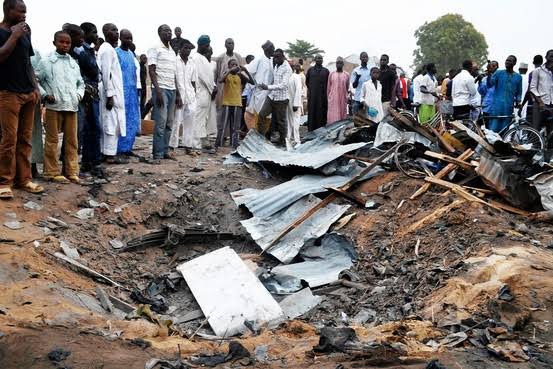
Northern Nigeria is facing a severe humanitarian crisis, with widespread insecurity, poverty, and displacement. The region has been plagued by the Boko Haram insurgency, banditry, and inter-communal violence, resulting in thousands of deaths and millions displaced.
The conflict has had a devastating impact on the region’s healthcare system, with many hospitals destroyed, and healthcare workers displaced or killed. This has led to increased maternal and child mortality rates, malnutrition, and outbreaks of diseases like cholera and measles. The region also faces significant food insecurity, with millions relying on humanitarian aid for survival.
The insecurity has also had a severe economic impact, with many businesses closing, and farmers unable to access their lands. This has led to widespread poverty, unemployment, and a decline in economic growth. The region’s infrastructure, including roads, bridges, and schools, has been destroyed, further exacerbating the humanitarian crisis.
The international community also has a role to play in supporting Nigeria’s efforts to address the crisis. Humanitarian organizations are providing aid to those affected, but more needs to be done to address the scale of the crisis. The international community can provide support in areas such as security, healthcare, education, and economic development.
The crisis in Northern Nigeria is not just a Nigerian problem, it’s a global problem that requires a global response. The international community must work together to address the root causes of the conflict, including poverty, inequality, and lack of access to education and economic opportunities.
The Nigerian government has taken steps to address the crisis, including the establishment of the Presidential Task Force on Security in the North East and the launch of the National Counter Terrorism Strategy. However, more needs to be done to address the scale and complexity of the crisis.
The people of Northern Nigeria are resilient and determined to rebuild their lives and communities. However, they need support and assistance to do so. The Nigerian government, international community, and humanitarian organizations must work together to provide the necessary support and resources to address the crisis.
The crisis in Northern Nigeria is a complex and multifaceted issue that requires a comprehensive and coordinated response. The Nigerian government, international community, and humanitarian organizations must work together to address the root causes of the conflict and provide support to those affected.
The future of Northern Nigeria is uncertain, but with concerted effort and support, the region can overcome the crisis and achieve stability and prosperity. The people of Northern Nigeria deserve a peaceful and prosperous future, and it’s our collective responsibility to ensure that they get it.
Khadija Shuaibu Usman



The Double-edged Sword: Social Media’s Impact On Teen Girls Mental Health -By Ibrahim Isa Muhammad
Social media itself is not entirely good or bad—its impact depends on how it’s used. Healthy habits include setting time...


India’s Priorities At BRICS Presidency Amid Rising Geopolitical Challenges -By Kestér Kenn Klomegâh
Since its inception, BRICS has undergone a transformation and has gone through several stages of qualitative change. The organizers are...


Jesus: Born In Judea, Fled To Egypt; Thank God Not To Maga America -By Vitus Ozoke, PhD
So today – Christmas – watch carefully. Watch as MAGA Republicans who champion mass deportations attend church. Watch as they...

Lavrov Assesses Media Contributions Toward Developing Russia-Africa Relations During Cairo Ministerial Conference -By Kestér Kenn Klomegâh
During the previous two summits: in Sochi (2019) and in St Petersburg (2023), the theme on media was reviewed and...


It Is Christmas! -By Gabriel Agbo
You see, they did not celebrate Christ's birth at all. To them it was insignificant. They were far more concerned...