
National Issues
Improving Tax Law Implementation In Nigeria -By Leah Gushe Dapel
For effective implementation, the government must improve digital infrastructure, enhance public trust through transparency, harmonize tax systems, and regularly review tax laws. Only then can Nigeria build a sustainable tax culture that drives long-term development and inclusive growth.

Tax law implementation in Nigeria plays a vital role in shaping the nation’s economic stability, national development, and public accountability. Taxes remain a major source of revenue for any country, and when properly harnessed, they can reduce dependence on foreign loans and oil revenues, which have proven volatile over the years.
Nigeria’s tax structure is divided across three levels of government: federal, state, and local. Each level has its own legal framework and responsibilities, governed by laws such as the Companies Income Tax Act (CITA), Personal Income Tax Act (PITA), Value Added Tax Act (VAT), and others. The Federal Inland Revenue Service (FIRS) oversees federal taxes, while State Internal Revenue Services (SIRS) manage state-level taxes.
Despite these frameworks, tax compliance remains a significant challenge in Nigeria. A large portion of economic activity occurs in the informal sector, where taxation is minimal or nonexistent. Many individuals and businesses either evade taxes or underreport earnings, largely due to poor enforcement and lack of accountability.
One major barrier to effective tax law implementation is the lack of trust between citizens and the government. Many taxpayers question how their taxes are used, often pointing to poor infrastructure, inadequate social services, and widespread corruption. Without visible benefits, there is little motivation to comply voluntarily.
In addition, the tax administration process in Nigeria has long been plagued by inefficiencies. Manual documentation, bureaucratic delays, and inconsistent procedures make it difficult for businesses and individuals to file and pay taxes correctly and on time. However, efforts like the introduction of the TaxPro Max platform by FIRS aim to address these issues by automating and simplifying the tax process.
The digitalization of tax systems is a step in the right direction. With technology, tax records can be maintained accurately, payments can be tracked in real time, and audits can be done more efficiently. But for these systems to be effective, taxpayers must be educated and equipped with the necessary tools to use them.
Tax education is crucial. Many Nigerians, especially in rural areas, lack basic knowledge of what taxes are, how they work, and why they matter. Government agencies, civil society groups, and even schools must take up the responsibility of sensitizing the public. Tax awareness campaigns can help demystify the process and encourage voluntary compliance.
The implementation of tax laws should also prioritize equity. The burden of taxation should not fall disproportionately on low-income earners while wealthy individuals and multinational corporations find loopholes. Tax justice requires a fair system that ensures everyone contributes their fair share based on their capacity.
Capacity building for tax officials is another area that cannot be ignored. Enforcement officers must be trained, well-equipped, and monitored to ensure professionalism and integrity in carrying out their duties. Bribery and extortion at the point of tax collection only serve to worsen non-compliance and public resentment.
Furthermore, the legal framework guiding taxation needs periodic review. Outdated tax laws do not reflect modern economic realities, especially in the digital economy where many tech-based businesses operate without clear tax guidelines. Nigeria must adopt modern laws that address e-commerce, cryptocurrency, digital platforms, and remote work income.
Another challenge is overlapping tax responsibilities. Many businesses complain about multiple taxation, where federal, state, and local governments demand different levies for the same income source. This creates confusion, discourages investment, and encourages tax evasion. A harmonized tax policy is needed to streamline the process and reduce friction.
Incentives should also be provided to compliant taxpayers. These could include tax rebates, recognition awards, or simplified filing for consistent taxpayers. Positive reinforcement can go a long way in boosting compliance and building a healthy tax culture.
Involving the private sector in policy dialogue is equally important. Businesses are major stakeholders in the economy and should be engaged when developing or revising tax laws. Their feedback can help create more realistic and implementable tax policies.
At the same time, enforcement must be strengthened. While voluntary compliance is ideal, penalties for non-compliance must be enforced strictly. This includes prosecuting tax offenders and blocking financial access for businesses that consistently evade taxes.
The role of local government authorities also needs to be emphasized. These grassroots agencies are closest to the people and can play a vital role in tax education, collection, and monitoring especially in rural communities.
The Nigerian government should also invest in research and data. Having reliable tax data helps in planning, tracking compliance, and identifying defaulters. Without credible data, tax planning becomes guesswork, and resources are wasted.
Tax law implementation in Nigeria is not just about collecting revenue; it is about building a system that citizens trust, understand, and willingly support. When well implemented, tax laws can reduce dependency on oil, fund national development, and promote economic equality.
For effective implementation, the government must improve digital infrastructure, enhance public trust through transparency, harmonize tax systems, and regularly review tax laws. Only then can Nigeria build a sustainable tax culture that drives long-term development and inclusive growth.



Game of Power: Throne Reclaim -By Abba Dukawa
Most Kwankwasiyya members are youths . Where were they when Kwankwaso parted ways with Hamisu Musa, Musa Gwadabe, and Dauda...
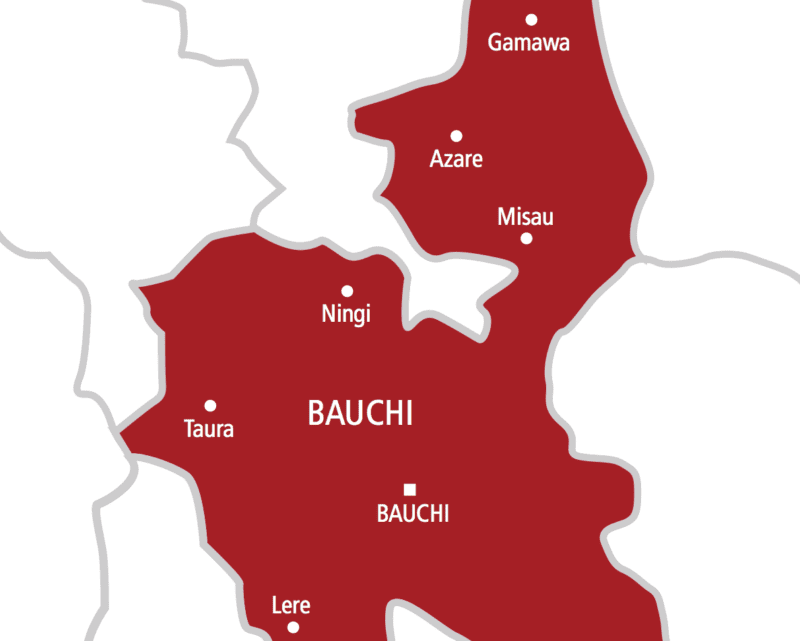
Silence Where It Matters: Bauchi’s Misplaced Priorities and Forgotten People -By Yasir Shehu Adam
A governor’s speech should reflect actual priorities. When basic human development sectors are absent from key policy messages, citizens have...


Thankfully, There’s None Like Prophet Ebo Noah in Nigeria; Is There? -By Ugochukwu Ugwuanyi
Mysteries in the Old Testament can only be decoded through the light of the New Testament. Mercifully, the Holy Spirit...


The Ripples From The Tinubu’s Tax Reform And The Future Of Nigerian Economy -By Hajia Hadiza Mohammed
The most worrisome issue in the whole tax reform debacle is the intention of the government and its fixation on...


Africa’s Crisis of Military Coups and Insecurity -By Safiya Zakari Muhammad
The erosion of democracy has also weakened regional and international security cooperation. In some cases, juntas have expelled traditional partners...