
Forgotten Dairies
Protecting Child Health in Nigeria: A Collective Responsibility -By Alameen Alhassan
Protecting child health requires action from everyone. Parents and caregivers must prioritize the health and wellbeing of their children by ensuring proper nutrition, hygiene, and medical care. Community leaders and civil society organizations should promote health education and awareness at the grassroots level. Most importantly, the government must invest more in healthcare infrastructure, strengthen primary healthcare systems, and implement policies that support maternal and child health.

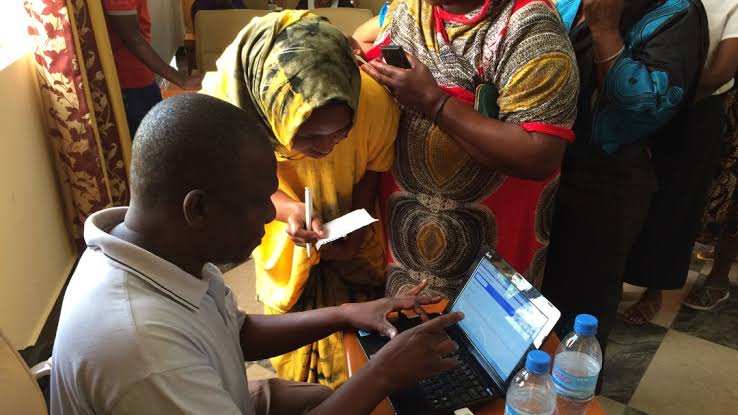
Children are the foundation of every nation, and their health determines the future strength and development of society. In Nigeria, children represent a large percentage of the population, yet many of them continue to face serious health challenges that threaten their survival and overall wellbeing. Protecting child health in Nigeria is not only a moral duty but a collective responsibility that requires the involvement of parents, communities, government, and other stakeholders.
Nigeria currently has one of the highest under-five mortality rates in the world. According to UNICEF, about 117 children out of every 1,000 live births die before reaching the age of five. These deaths are mostly preventable and are caused by conditions that can be addressed through proper healthcare, education, and policy implementation.
One of the major challenges affecting child health in Nigeria is malnutrition. Many children do not receive adequate nutrition during their early years, leading to stunted growth, weak immunity, and poor mental development. UNICEF reports that about 37 percent of Nigerian children under the age of five are stunted due to chronic malnutrition. Poverty, food insecurity, and lack of nutritional education contribute greatly to this problem.
Another serious threat to child health is infectious diseases such as malaria, pneumonia, measles, and diarrheal diseases. These illnesses remain leading causes of child deaths in Nigeria. Malaria alone claims the lives of thousands of children every year, especially in rural areas where access to healthcare is limited. Poor vaccination coverage and delayed medical attention worsen the situation.
Poor sanitation and hygiene also play a major role in the spread of diseases among children. Many communities lack access to clean drinking water, proper toilets, and basic hygiene facilities. As a result, children are exposed to waterborne diseases and infections that could easily be prevented through improved sanitation and hygiene practices.
Despite these challenges, there are clear and effective ways to protect child health in Nigeria. Vaccination remains one of the most powerful tools in preventing childhood diseases. Ensuring that children receive all recommended vaccines can save millions of lives. Exclusive breastfeeding for the first six months of life is another proven method of improving child survival, as it provides essential nutrients and strengthens immunity.
Proper nutrition is equally important. Children should be given balanced diets that include fruits, vegetables, proteins, and other essential nutrients. Access to clean water and good sanitation must also be improved to reduce the spread of diseases. In addition, regular health check-ups can help detect illnesses early and prevent complications.
Protecting child health requires action from everyone. Parents and caregivers must prioritize the health and wellbeing of their children by ensuring proper nutrition, hygiene, and medical care. Community leaders and civil society organizations should promote health education and awareness at the grassroots level. Most importantly, the government must invest more in healthcare infrastructure, strengthen primary healthcare systems, and implement policies that support maternal and child health.
In conclusion, protecting child health in Nigeria is a shared responsibility that demands urgent and sustained action. When children are healthy, they are better able to learn, grow, and contribute positively to society. By working together, Nigeria can build a future where every child has the opportunity to survive, thrive, and reach their full potential.
Thank you for your consideration.
Alameen Alhassan
Student of Mass Communication, Federal University of Kashere
Phone: 08144562767/09127980172
Email: alaminalhassan2005@gmail.com



The Double-edged Sword: Social Media’s Impact On Teen Girls Mental Health -By Ibrahim Isa Muhammad
Social media itself is not entirely good or bad—its impact depends on how it’s used. Healthy habits include setting time...


India’s Priorities At BRICS Presidency Amid Rising Geopolitical Challenges -By Kestér Kenn Klomegâh
Since its inception, BRICS has undergone a transformation and has gone through several stages of qualitative change. The organizers are...


Jesus: Born In Judea, Fled To Egypt; Thank God Not To Maga America -By Vitus Ozoke, PhD
So today – Christmas – watch carefully. Watch as MAGA Republicans who champion mass deportations attend church. Watch as they...

Lavrov Assesses Media Contributions Toward Developing Russia-Africa Relations During Cairo Ministerial Conference -By Kestér Kenn Klomegâh
During the previous two summits: in Sochi (2019) and in St Petersburg (2023), the theme on media was reviewed and...


It Is Christmas! -By Gabriel Agbo
You see, they did not celebrate Christ's birth at all. To them it was insignificant. They were far more concerned...