
Forgotten Dairies
The Double-edged Sword: Social Media’s Impact On Teen Girls Mental Health -By Ibrahim Isa Muhammad
Social media itself is not entirely good or bad—its impact depends on how it’s used. Healthy habits include setting time limits, following positive and trustworthy accounts, taking breaks, and talking to trusted adults when something online feels upsetting or confusing.

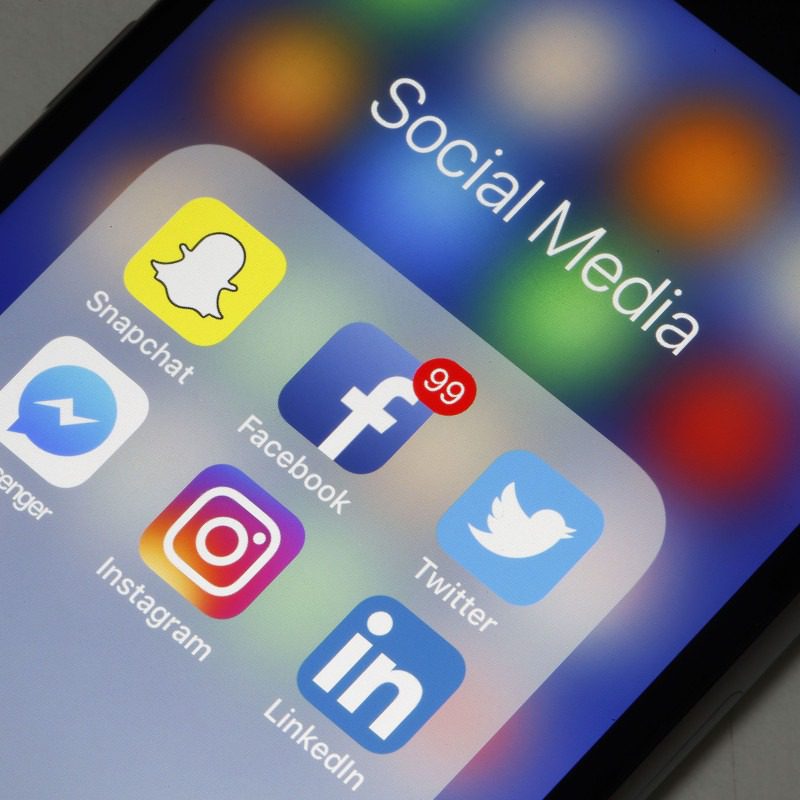
Social media profoundly impacts teens, offering connection but often harming mental health through cyberbullying, unrealistic comparisons (leading to anxiety, depression, body image issues), sleep disruption, and addiction, while also affecting academics and physical activity, though it provides community for marginalized youth and awareness on important topics. Excessive use (over 3 hrs/day) is linked to higher risks of negative outcomes, as the developing adolescent brain is particularly sensitive to online validation and curated realities.
Social media plays a major role in the lives of many teenagers today. Platforms like Instagram, TikTok, Snapchat, and YouTube influence how teens communicate, learn, and express themselves. While social media offers many positive opportunities, it also presents challenges that can affect mental health, behavior, and well-being.
One major benefit of social media is connection. Teens can stay in touch with friends and family, especially those who live far away. Online communities also allow teens to find people with similar interests, which can help them feel understood and less alone.
Social media can also support self-expression and creativity. Teens share art, music, writing, videos, and opinions, helping them explore their identity and build confidence. For some, it provides a voice they may not feel comfortable using offline.
Another benefit is access to information and learning. Teens can discover educational content, study tips, current events, and opportunities such as scholarships or volunteering. Social media can also raise awareness about important social issues and encourage civic engagement.
Despite these benefits, social media also has risks. One concern is mental health. Constant comparison to carefully edited images can lead to low self-esteem, body dissatisfaction, or feeling not good enough. Pressure to get likes or followers can increase stress and anxiety.
Cyberbullying is another serious issue. Hurtful comments, rumors, or exclusion online can be difficult to escape and may affect a teen’s emotional well-being.
Social media can also impact sleep, focus, and time management. Spending too much time online may interfere with schoolwork, physical activity, or face-to-face relationships. Notifications and endless scrolling can make it hard to concentrate.
Teens may be exposed to misinformation or unhealthy trends, which can influence beliefs or behaviors if not questioned critically.
Social media itself is not entirely good or bad—its impact depends on how it’s used. Healthy habits include setting time limits, following positive and trustworthy accounts, taking breaks, and talking to trusted adults when something online feels upsetting or confusing.
Social media has a powerful influence on teens’ lives. It can promote connection, creativity, and learning, but it also carries risks related to mental health, safety, and balance. By using social media thoughtfully and responsibly, teens can enjoy its benefits while reducing its negative effects.


The Double-edged Sword: Social Media’s Impact On Teen Girls Mental Health -By Ibrahim Isa Muhammad
Social media itself is not entirely good or bad—its impact depends on how it’s used. Healthy habits include setting time...


India’s Priorities At BRICS Presidency Amid Rising Geopolitical Challenges -By Kestér Kenn Klomegâh
Since its inception, BRICS has undergone a transformation and has gone through several stages of qualitative change. The organizers are...


Jesus: Born In Judea, Fled To Egypt; Thank God Not To Maga America -By Vitus Ozoke, PhD
So today – Christmas – watch carefully. Watch as MAGA Republicans who champion mass deportations attend church. Watch as they...


Lavrov Assesses Media Contributions Toward Developing Russia-Africa Relations During Cairo Ministerial Conference -By Kestér Kenn Klomegâh
During the previous two summits: in Sochi (2019) and in St Petersburg (2023), the theme on media was reviewed and...


It Is Christmas! -By Gabriel Agbo
You see, they did not celebrate Christ's birth at all. To them it was insignificant. They were far more concerned...