
Educational Issues
The Falling Standard of Education: A Growing Concern -By Khadija Shuaibu Usman
The falling standard of education is a pressing issue that requires immediate attention and a concerted effort from all stakeholders to improve the quality of education and provide Nigerian students with the opportunities they need to succeed.

The standard of education has been a topic of discussion in Nigeria for quite some time now. Many stakeholders, including educators, policymakers, and parents, have expressed concerns about the declining quality of education in the country. The issue has become so pressing that it has sparked widespread debates and protests, with some even calling for a complete overhaul of the education system.
Several factors have been identified as contributing to the falling standard of education in Nigeria. One of the major causes is the lack of adequate funding. The education sector has been underfunded for years, leading to a shortage of resources, including textbooks, laboratories, and qualified teachers. Many schools lack basic infrastructure, such as classrooms, libraries, and toilets, which makes it difficult for students to learn effectively. Another factor is the poor quality of teaching. Many teachers are not adequately trained or motivated, leading to a lack of enthusiasm and effectiveness in the classroom. The curriculum is also outdated and does not equip students with the skills needed for the modern workforce.
The falling standard of education has far-reaching consequences for individuals, society, and the economy. Students who graduate from Nigerian schools often lack the skills and knowledge required to compete in the global market. This leads to high rates of unemployment and poverty, which can have devastating social and economic effects.
The decline in education standards also affects the country’s development. A poorly educated workforce can hinder economic growth, innovation, and progress. It can also lead to a brain drain, as talented individuals seek opportunities abroad.
Addressing the falling standard of education requires a multifaceted approach. The government needs to increase funding for education, prioritize teacher training, and update the curriculum to make it more relevant and effective. Parents and communities also have a role to play in supporting schools and ensuring that students receive the education they deserve.
The falling standard of education is a pressing issue that requires immediate attention. Addressing the problem will require a concerted effort from all stakeholders, including the government, educators, parents, and communities. By working together, we can improve the quality of education and provide Nigerian students with the opportunities they need to succeed.
The impact of a poor education system is felt across society. It affects not only individuals but also the economy and the country’s development. A well-educated population is essential for a country’s growth and prosperity. It is the foundation upon which a strong economy is built.
All stakeholders, including the government, educators, parents, and communities, have a role to play in addressing the falling standard of education. The government needs to provide adequate funding and resources, while educators need to be trained and motivated to provide quality education. Parents and communities need to support schools and ensure that students receive the education they deserve.
By working together, we can improve the standard of education in Nigeria and provide students with the opportunities they need to succeed.
The falling standard of education is a pressing issue that requires immediate attention and a concerted effort from all stakeholders to improve the quality of education and provide Nigerian students with the opportunities they need to succeed.
Khadija Shuaibu Usman.


The Double-edged Sword: Social Media’s Impact On Teen Girls Mental Health -By Ibrahim Isa Muhammad
Social media itself is not entirely good or bad—its impact depends on how it’s used. Healthy habits include setting time...
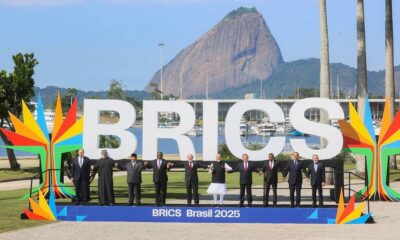

India’s Priorities At BRICS Presidency Amid Rising Geopolitical Challenges -By Kestér Kenn Klomegâh
Since its inception, BRICS has undergone a transformation and has gone through several stages of qualitative change. The organizers are...


Jesus: Born In Judea, Fled To Egypt; Thank God Not To Maga America -By Vitus Ozoke, PhD
So today – Christmas – watch carefully. Watch as MAGA Republicans who champion mass deportations attend church. Watch as they...
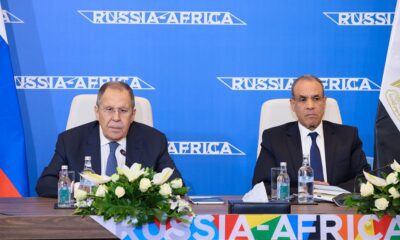

Lavrov Assesses Media Contributions Toward Developing Russia-Africa Relations During Cairo Ministerial Conference -By Kestér Kenn Klomegâh
During the previous two summits: in Sochi (2019) and in St Petersburg (2023), the theme on media was reviewed and...


It Is Christmas! -By Gabriel Agbo
You see, they did not celebrate Christ's birth at all. To them it was insignificant. They were far more concerned...