
National Issues
The Silent Struggles of Growing Up Without Parental Presence -By Ikilima Adamu
Society also has a role to play. We must stop ignoring these silent struggles. Children need safe spaces to talk, access to counseling, and supportive school environments. Parents who are physically absent should make conscious efforts to remain emotionally available through communication and involvement in their children’s lives.


Growing up is never easy, but growing up without the steady presence of parents makes the journey even harder. For many children, the absence of a mother, a father, or both is not always loud or dramatic. It is often quiet, hidden behind smiles, good behavior, or silence. Yet, the effects run deep, shaping emotions, decisions, and the way such children see the world.
Parental presence is more than just being around physically. It includes guidance, emotional support, discipline, and reassurance. When parents are absent due to work, separation, migration, illness, or death, children are left to fill gaps they are not emotionally ready to handle. Some learn too early how to be independent, while others grow up feeling unseen and unheard.
One of the biggest struggles faced by children without parental presence is emotional neglect. They may have food, shelter, and schooling, but lack someone who listens to them, understands their fears, or celebrates their small achievements. This often leads to bottled-up emotions. Many such children find it difficult to express their feelings, not because they do not have emotions, but because no one taught them how to share them safely.
Another silent struggle is the feeling of abandonment. Even when parents are absent for valid reasons, children may still blame themselves. A child may quietly wonder if they were not good enough to make their parents stay. These thoughts, when left unaddressed, can grow into low self-esteem and self-doubt that follow them into adulthood.
Children growing up without parental presence also face challenges in decision-making and moral guidance. Parents are usually the first teachers of values, boundaries, and responsibility. Without this guidance, some children rely on peers, social media, or the streets for direction. While some are fortunate to find positive influences, others fall into bad company, risky behavior, or harmful habits simply because no adult was there to guide them at the right time.
In schools, the effects often show quietly. Such children may struggle with concentration, discipline, or motivation. Teachers may see them as stubborn, lazy, or troublesome, without understanding the emotional weight they carry. Some perform poorly because no one checks their homework or encourages them. Others perform excellently, not out of support, but as a coping mechanism to seek approval and validation they lack at home.
Social relationships are also affected. Children without parental presence may either withdraw from others or become overly attached to anyone who shows them care. Trust becomes a challenge. They may fear being abandoned again, making it difficult to build healthy friendships or romantic relationships later in life. This fear often goes unnoticed, masked by humor, toughness, or silence.
As they grow older, these children often carry unresolved pain into adulthood. Some become parents themselves without having a clear example of what good parenting looks like. Others struggle with anger, anxiety, or depression but cannot trace the root of their pain. The absence they experienced as children continues to echo in their adult lives.
However, it is important to say that growing up without parental presence does not automatically lead to failure. Many individuals rise above their circumstances through resilience, mentorship, and personal determination. Support from relatives, teachers, religious leaders, or community members can help fill the gap. A single caring adult can make a big difference in a child’s life.
Society also has a role to play. We must stop ignoring these silent struggles. Children need safe spaces to talk, access to counseling, and supportive school environments. Parents who are physically absent should make conscious efforts to remain emotionally available through communication and involvement in their children’s lives.
In conclusion, the struggles of growing up without parental presence are real, deep, and often invisible. They do not always show in tears or rebellion, but in silence, confusion, and emotional distance. By acknowledging these struggles and offering support, understanding, and compassion, we can help affected children heal and grow into healthy adults. Every child deserves not just to be raised, but to be emotionally present for.



Game of Power: Throne Reclaim -By Abba Dukawa
Most Kwankwasiyya members are youths . Where were they when Kwankwaso parted ways with Hamisu Musa, Musa Gwadabe, and Dauda...
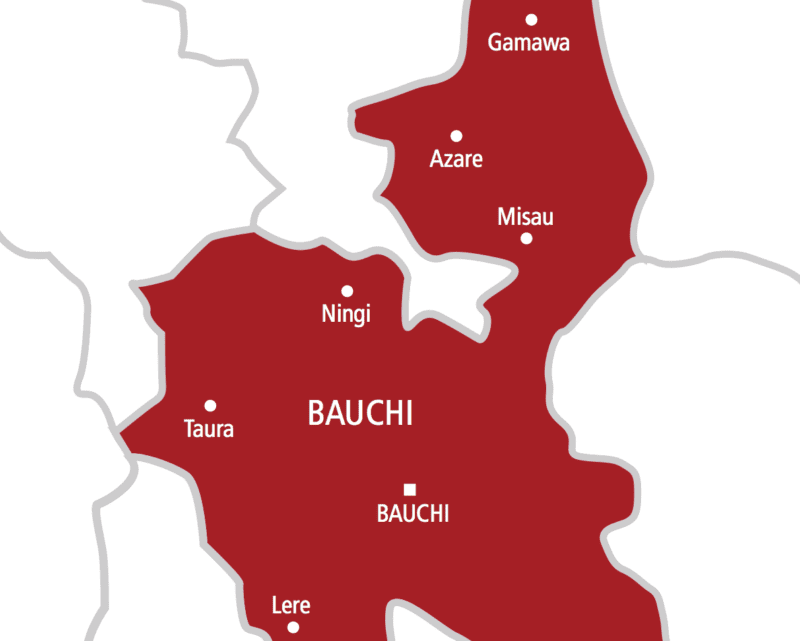
Silence Where It Matters: Bauchi’s Misplaced Priorities and Forgotten People -By Yasir Shehu Adam
A governor’s speech should reflect actual priorities. When basic human development sectors are absent from key policy messages, citizens have...


Thankfully, There’s None Like Prophet Ebo Noah in Nigeria; Is There? -By Ugochukwu Ugwuanyi
Mysteries in the Old Testament can only be decoded through the light of the New Testament. Mercifully, the Holy Spirit...


The Ripples From The Tinubu’s Tax Reform And The Future Of Nigerian Economy -By Hajia Hadiza Mohammed
The most worrisome issue in the whole tax reform debacle is the intention of the government and its fixation on...


Africa’s Crisis of Military Coups and Insecurity -By Safiya Zakari Muhammad
The erosion of democracy has also weakened regional and international security cooperation. In some cases, juntas have expelled traditional partners...