
Democracy & Governance
Africa’s Democracy Time Bomb -By Patrick Iwelunmor
Africa is not lacking in potential; it is lacking in leadership. By virtue of its population, its resources and its cultural influence, Nigeria should be a continental example. Instead, it has become a case study in squandered promise. Until the continent confronts the truth that democracy without justice is merely oppression by another name, the return of coups will not be an aberration. It will be the norm.

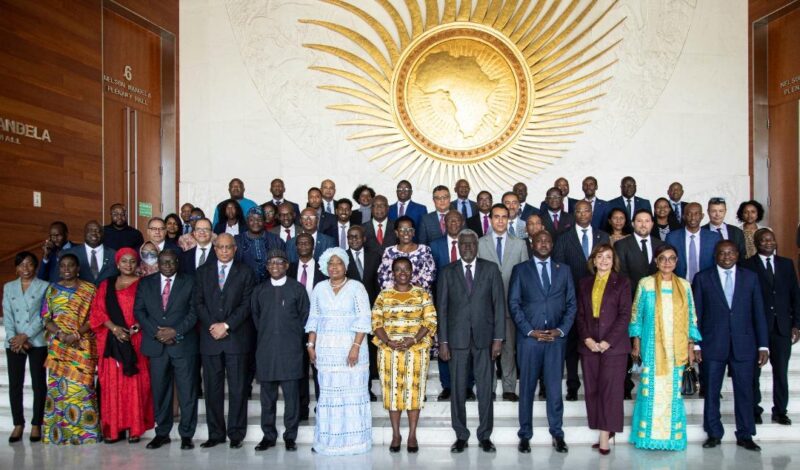
The rising wave of military coups across the African Sahel is not a coincidence; it is the clearest evidence yet that democracy, as practised in much of Africa, has failed to answer the basic yearnings of its citizens. A closer look at the political atmosphere in many African states reveals a continent where leaders have reduced governance to personal inheritance. Citizens are no longer fooled by the routine elections, long motorcades and official speeches that mask an entrenched disregard for their welfare. What they see instead is a class of rulers clinging tightly to power and using state institutions not as instruments of service but as shields against accountability.
This structure of autocracy dressed in democratic costume casts a long and disfiguring shadow over Africa’s democratic claims. Paul Biya’s four-decade reign in Cameroon stands as a stark reminder of how power can be manipulated until longevity becomes a virtue and dissent becomes treason. Across the continent, those who dare to challenge injustice are met with intimidation, imprisonment or elimination. The message is always the same: power is sacred, citizens are expendable.
The deeper crisis lies in the collapse of institutions meant to check executive excesses. In many African countries, constitutions are not charters of restraint but tools in the hands of leaders who amend and reinterpret them to prolong their stay in office. This sustained manipulation erodes trust and creates fertile ground for instability. Nigeria offers a particularly painful illustration. Decades after the civil war, national cohesion remains fragile. Successive administrations have struggled to balance Nigeria’s complex diversity, often leaving some regions feeling insufficiently integrated into the national project. A government that seeks legitimacy must not only win elections; it must win trust across all corners of the republic. Instead of addressing long-standing grievances, successive governments have deployed the military to suppress every expression of dissent. A state that relies on force as its first language will inevitably struggle to inspire loyalty.
Against this backdrop, the recent slide into military rule in Guinea-Bissau and Madagascar is not surprising; it is the predictable outcome of democratic decay. Analysts warn that more countries may follow, especially where the economy has collapsed and national unity has all but disappeared. African leaders must therefore abandon the narrow politics of tribe and self-preservation and embrace the difficult task of rebuilding trust because once a people stop believing in democracy, the barracks begin to look like an alternative.
The rumours of a failed coup attempt in Nigeria and the ethnic pattern of the officers allegedly arrested reopened old wounds about power rotation and national belonging. It smacks of the highest level of ethnic arrogance for one region to believe that power is their exclusive reserve. The Tinubu administration, already under pressure from escalating insecurity and the provocative rhetoric of Donald Trump, has been hurried into reshuffling the military hierarchy. But many Nigerians see these adjustments as superficial gestures, lacking the depth and sincerity needed to confront the nation’s security crisis.
Across the country, confidence in the military’s capacity to protect citizens has collapsed. Kidnappings occur with chilling regularity. Rural communities are razed by armed herders. Thousands of innocent people have been killed with little consequence. Meanwhile, politicians continue to enjoy heavy security escorts, even as ordinary Nigerians travel with fear as their only companion. President Tinubu’s directive to withdraw police from VIPs may appear symbolic, but symbolism is not protection.
Even the foiled coup in Benin Republic sends a troubling message to ECOWAS and the African Union. While Tinubu’s deployment of troops to the country remains a matter of contention among public analysts, President Tinubu must go a step further by urging his Beninese counterpart to desist from undemocratic practices and govern with the noblest of intentions. Regional solidarity cannot stop at military intervention; it must include moral courage, the courage to tell neighbours the truth.
But that appeal must begin at home. Tinubu himself must take deliberate steps to unite the country and avoid the sectional sensibilities that flourished under his predecessor. A nation weakened by division lacks the moral authority to preach democratic virtue abroad and struggles to inspire confidence within its own borders.
When justice becomes selective, when courts are compromised, when parliaments surrender their independence and when elections lose credibility, the social contract dissolves. What remains is a fragile theatre of democracy, easily disrupted and easily overturned.
The current decline is inseparable from the desperation of leaders who cannot imagine life outside power and who hijack state institutions to guarantee their permanence. These institutional coups, subtle and legalistic and often celebrated by party loyalists, are far more dangerous than military ones. They push citizens to a breaking point, invite instability and make development impossible.
Africa is not lacking in potential; it is lacking in leadership. By virtue of its population, its resources and its cultural influence, Nigeria should be a continental example. Instead, it has become a case study in squandered promise. Until the continent confronts the truth that democracy without justice is merely oppression by another name, the return of coups will not be an aberration. It will be the norm.

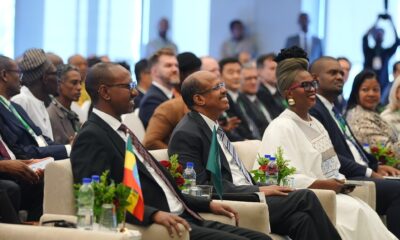

Accelerating Intra-Africa Trade and Sustainable Development -By Kestér Kenn Klomegâh
The AU Private Sector Forum has held several forums, with key recommendations. These recommendations provide valuable insights into the challenges...


Human Rights Day 2025: Advancing The Right To Food And The Rights of Africa’s Farmers -By Prof. Uche Ofodile
One of the most essential human rights is the right to adequate, safe, nutritious, and culturally appropriate food. This right...


Africa’s Democracy Time Bomb -By Patrick Iwelunmor
Africa is not lacking in potential; it is lacking in leadership. By virtue of its population, its resources and its...
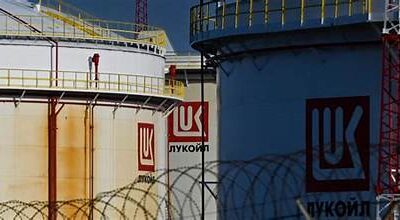

Russia’s Lukoil Losses Strategic Influence Across Africa -By Kestér Kenn Klomegâh
United States sanctions has hit Lukoil, one of the Russia's biggest oil companies, like many other Russian companies, that has...
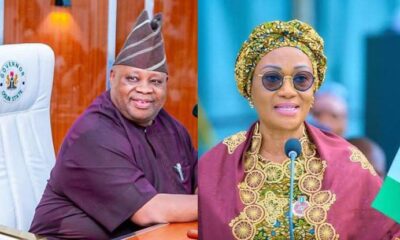

Inadvisability Of Worrying About The Osun Drama As Every First Lady Must Leave A Footprint -By Isaac Asabor
But here is the truth: there is absolutely no reason to worry. Nigerians are acting as though mild tension or...