
National Issues
Cultural Diversity in Nigeria: A Celebration of Traditions and Rich Heritage -By Bilikisu Bala
Cultural diversity in Nigeria is a true celebration of traditions and heritage. It tells the story of a people bound together by shared history despite their differences. By preserving and celebrating its rich cultural heritage, Nigeria not only honors its past but also builds a stronger, more united future rooted in respect, tolerance, and pride in diversity.

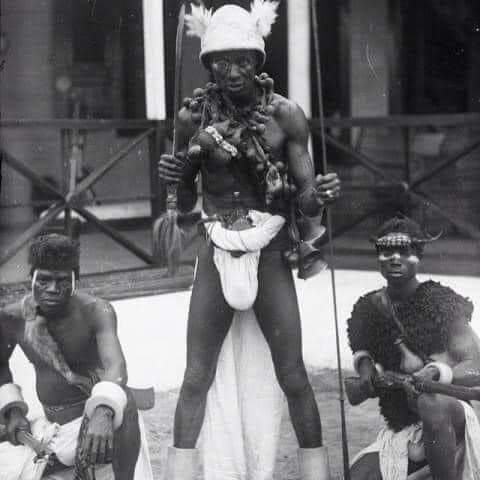
Nigeria is one of the most culturally diverse countries in the world, often described as a nation of many peoples, languages, and traditions. With over 250 ethnic groups and hundreds of languages, Nigeria’s cultural diversity is a powerful symbol of its identity and heritage. From colorful festivals to unique cuisines, music, dress, and belief systems, the country’s rich cultural landscape reflects centuries of history and shared values.
Nigeria’s cultural richness is rooted in its many ethnic groups. The Hausa-Fulani, Yoruba, and Igbo are the three largest groups, but there are numerous others such as the Tiv, Ijaw, Ibibio, Kanuri, Nupe, Efik, Itsekiri, and Urhobo. Each group has its own language and social customs that shape daily life and community relationships. While English serves as the official language and a unifying medium, indigenous languages remain vital in preserving cultural identity and heritage.
Festivals are a major expression of Nigeria’s cultural diversity. Events such as the Durbar Festival in the North, the Osun-Osogbo Festival in the South-West, the Argungu Fishing Festival in the North-West, and the New Yam Festival in the South-East celebrate history, spirituality, and communal unity. These festivals feature traditional music, dance, costumes, and rituals that have been passed down from generation to generation, showcasing the beauty of Nigeria’s traditions.
Music, Dance, and Dress
Nigeria’s culture is vibrantly expressed through music, dance, and fashion. Traditional music and dances vary across regions, from the energetic Bata and Atilogwu dances to the graceful Fulani and Kanuri styles. Traditional attire such as the Yoruba agbada, Igbo isiagu, and Hausa baban riga reflects regional identity and craftsmanship. These cultural expressions continue to influence modern Nigerian fashion and entertainment.
Religion is an important aspect of Nigeria’s cultural diversity. Islam, Christianity, and traditional African religions coexist across the country. In many communities, traditional beliefs are blended with modern religions, reflecting tolerance and cultural continuity. Religious ceremonies and practices often reinforce moral values, community bonds, and respect for tradition.
Nigeria’s cultural diversity is a source of unity, creativity, and national pride. It promotes tourism, strengthens social cohesion, and enhances Nigeria’s global image. Although diversity has sometimes led to social and political tensions, mutual respect and cultural understanding remain key to peaceful coexistence and national development.
Cultural diversity in Nigeria is a true celebration of traditions and heritage. It tells the story of a people bound together by shared history despite their differences. By preserving and celebrating its rich cultural heritage, Nigeria not only honors its past but also builds a stronger, more united future rooted in respect, tolerance, and pride in diversity.


At 72, A Father’s Embrace: Akume, Alia, And The Future Of Benue -By Leonard Karshima Shilgba
As our leader turns 72 in December 2025—a significant and symbolic age—I humbly call on the Benue State Government and stakeholders to initiate...

United States and Russia Resolving Trade Issues and Pursuing New Opportunities -By Kestér Kenn Klomegâh
The American Chamber of Commerce (AmCham) will be working in the system of the Chamber of Commerce and Industry (CCI)...

Nigeria’s Middle Class Is Slipping Into Poverty — And We Are All at Risk -By Abdulhamid Rabiu
What is urgently needed is a shift from abstract economic targets to people-centered policies. Inflation control must be prioritized. Wages...
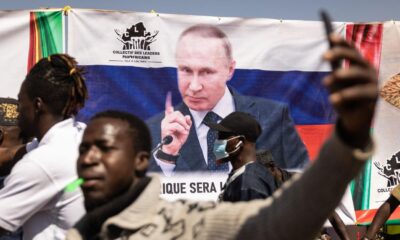

Second Ministerial Conference: Shaping Russian-African Strategic Partnerships -By Kestér Kenn Klomegâh
As indicated from above, the most important issues of multifaceted development are included on the Russian-African agenda, with a focus...


When Matrimony Is Dead On Arrival, The Wedding Was Only A Ceremony -By Isaac Asabor
Marriage is not for everyone, and that truth needs to be said plainly. It requires emotional intelligence, self-control, humility, and...