
Breaking News
EndSARS at 5: The Memories, Martyrs, and Nigeria’s Unfinished Struggle for Justice
Five years after the #EndSARS protests, Nigeria still grapples with unfulfilled promises, stalled justice, and lingering pain. Victims remain uncompensated, while calls for police reform and accountability grow louder.

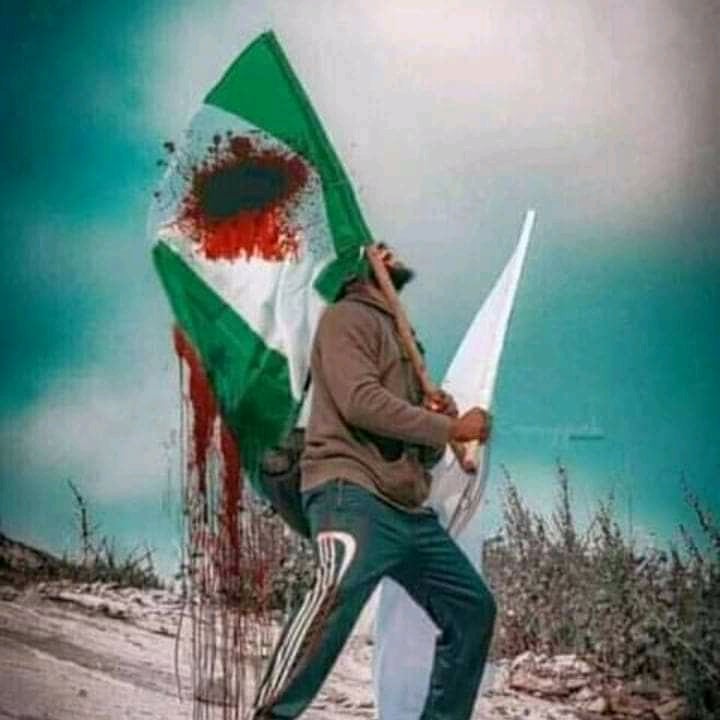
Five years ago, the streets of Nigeria echoed with one chant: “End SARS! End impunity!” From Lagos to Abuja, Port Harcourt to Jos, a generation of young Nigerians rose in defiance against police brutality, demanding dignity, accountability, and reform.
Today, October 20, marks the fifth anniversary of the #EndSARS protests — a moment that remains both a powerful symbol of civic awakening and a painful reminder of how justice can be delayed, denied, or distorted.
This special report revisits the sparks that ignited the movement, the faces that defined it, the scars it left on the nation, and the lingering quest for justice.
The Sparks That Lit the Fire
The #EndSARS movement was born out of decades of accumulated anger. Established in the 1990s to tackle violent crime, the Special Anti-Robbery Squad (SARS) had long become a byword for abuse.
Rather than protect citizens, its operatives were accused of turning Nigerian streets into hunting grounds — profiling young men with dreadlocks or laptops, extorting them at gunpoint, and in some cases, committing torture and extrajudicial killings.
By 2020, stories of abuse had reached a breaking point. Social media became the courtroom of the people — filled with photos of battered victims, videos of raids, and testimonies of humiliation. The final spark came in early October 2020, when a viral video allegedly showed SARS officers killing a young man in Delta State.
Within hours, the hashtag #EndSARS trended globally, transforming online outrage into one of the largest youth-led protests in Nigeria’s history.
A Leaderless Revolution
#EndSARS was famously leaderless, yet it united millions across divides. Activists like Segun Awosanya (Segalink) had long campaigned against police brutality, while entertainers like Falz (Folarin Falana), Mr. Macaroni (Debo Adedayo), and Runtown joined the demonstrations, lending star power to the cause.
Artists such as Davido, Tiwa Savage, and Burna Boy amplified the message through their global platforms.
Perhaps the most unforgettable moment came from DJ Switch (Obianuju Udeh), who live-streamed the October 20, 2020 Lekki Toll Gate shooting to over 150,000 viewers on Instagram. Her footage of chaos and gunfire made her a symbol of resistance — and forced her into exile after alleged threats to her life.
Behind the scenes, lawyers, medics, and the Feminist Coalition coordinated legal aid, first aid, and fundraising — an organic ecosystem of civic action unprecedented in Nigeria’s democratic history.
The Toll Gate That Became a Monument
The Lekki Toll Gate in Lagos became the epicentre of the movement — a place where protesters sang the national anthem under the flag and held vigils for slain compatriots.
But on October 20, 2020, the peaceful protest turned tragic. Lights went off, CCTV footage vanished, and soldiers opened fire. While the government called it a “disputed shooting,” victims and witnesses insist it was a massacre.
In the aftermath, the toll gate was vandalized, and attempts to reopen it sparked outrage. Activists argued that resuming commercial operations without justice was an attempt to erase history. Memorials held in subsequent years were repeatedly dispersed by police.
Across other states — from Lagos to Edo and Anambra — police stations, buses, and warehouses were razed. Rebuilding has been uneven, and scars of the violence remain visible across Nigerian cities.
The Search for Justice
In response, the Federal Government ordered all states to set up Judicial Panels of Inquiry into SARS abuses and protest-related violence.
Over 29 states complied, receiving thousands of petitions.
The Lagos State Judicial Panel on Restitution stood out — confirming that soldiers shot and killed unarmed protesters at Lekki. It listed victims’ names, recommended compensation, and called for prosecution of erring officers. Its report described the incident as a “massacre.”
In July 2024, the ECOWAS Court of Justice ruled that Nigeria violated protesters’ rights at Lekki and ordered reparations — lending international weight to the victims’ claims.
Human rights groups like Amnesty International and Human Rights Watch echoed these findings, insisting that justice must not be sacrificed for politics.
Promises on Paper, Silence in Practice
Five years later, justice remains elusive.
While some states paid partial compensation, many victims are still waiting.
Few police officers named in reports have faced trial, and several remain in service.
Community policing and reform pledges have yielded little visible change.
Security forces still disrupt #EndSARS memorials, and victims’ families continue to demand accountability.
International observers — from the U.S. to the U.N. — have repeatedly urged Nigeria to honour its commitments. But between recommendation and reality lies a widening gulf.
Why Justice Remains Distant — Lawyers Speak
Kunle Edun, SAN, former Welfare Secretary of the Nigerian Bar Association (NBA), described #EndSARS as “a dark page in Nigeria’s history.”
He said:
“The courts gave judgments awarding damages to victims, yet the government ignored them. Disrespect for judgments is an invitation to anarchy — not even a million soldiers can stop it.”
He accused Attorneys-General and lawmakers of colluding with governors to disobey court orders.
“We only have civilian rule, not democracy,” he added, calling for people-oriented policing under civil supervision.
Evan Ufeli, Executive Director of Cadrell Advocacy Centre, blamed weak political will and institutional cover-ups:
“Panels make findings, but there’s no independent process to translate them into prosecutions. The ECOWAS Court ruling remains unenforced because it lacks coercive power.”
He said civil society and international engagement are vital to ensure compliance:
“Legal judgments alone are not enough. Without political will, justice will remain on paper.”
Human rights lawyer Deji Adeyanju described Nigeria’s “culture of impunity” as the main obstacle:
“Implementation of judicial panel recommendations depends on political will and budgetary approval, both of which are lacking.”
He urged deep structural reforms:
“We need to invest in human-rights-based police training and guarantee the right to peaceful protest.”
Amanda Demechi-Asagba, NBA representative on the Lagos Judicial Panel, said:
“Victims deserve justice, compensation, restitution — not rhetoric. The police must be restructured to prioritize human rights and rebuild public trust.”
Ayo Ademiluyi, counsel to Lekki Toll Gate victims, added:
“No victim can get real justice under the same political class that enabled the injustice five years ago. The Lagos panel’s findings were nullified by a White Paper. Until police welfare and accountability improve, nothing will change.”
History and the Unfinished Struggle
Five years on, #EndSARS is both history and unfinished business.
It changed Nigeria’s civic consciousness, proving that citizens can unite against injustice.
Yet, its demands — justice for victims, prosecution of perpetrators, and lasting police reform — remain unmet.
For some, the movement is a scar that never healed. For others, it’s a call that still echoes:
“Soro Soke — speak up.”
Whether Nigeria answers that call with justice or silence will determine how history remembers the nation.
Opinion Nigeria News


Accelerating Intra-Africa Trade and Sustainable Development -By Kestér Kenn Klomegâh
The AU Private Sector Forum has held several forums, with key recommendations. These recommendations provide valuable insights into the challenges...


Human Rights Day 2025: Advancing The Right To Food And The Rights of Africa’s Farmers -By Prof. Uche Ofodile
One of the most essential human rights is the right to adequate, safe, nutritious, and culturally appropriate food. This right...


Africa’s Democracy Time Bomb -By Patrick Iwelunmor
Africa is not lacking in potential; it is lacking in leadership. By virtue of its population, its resources and its...

Russia’s Lukoil Losses Strategic Influence Across Africa -By Kestér Kenn Klomegâh
United States sanctions has hit Lukoil, one of the Russia's biggest oil companies, like many other Russian companies, that has...

Inadvisability Of Worrying About The Osun Drama As Every First Lady Must Leave A Footprint -By Isaac Asabor
But here is the truth: there is absolutely no reason to worry. Nigerians are acting as though mild tension or...