
Educational Issues
Student Loans in Nigeria: A Blessing or a Burden? -By Yasir Shehu Adam
In countries where student loans work, there are systems to support borrowers, such as steady jobs, good salaries, and repayment plans based on income. But Nigeria lacks these supports. Introducing loans without fixing the economy is like building a house on a shaky foundation—it will only collapse.


Pursuing higher education in Nigeria has always been a challenge for many. With tuition fees rising and economic hardships increasing, the Bola Tinubu administration’s introduction of student loans has sparked debates. Is this policy a step forward, or will it worsen the financial struggles of Nigerian students?
On the surface, student loans seem like a solution to help young Nigerians access higher education. They allow students from poor families to pay their school fees and dream of a better future. But Nigeria’s situation is far from ideal.
Imagine graduating with a degree and spending over ten years searching for a job. This is the reality for many Nigerian graduates. Even when they find work, the salaries are often too low to cover basic needs. A civil servant in Nigeria earns a minimum wage of just ₦70,000 to ₦73,000 per month. For a person with a small family—a spouse and two children—at least ₦200,000 to ₦300,000 is needed to survive. How will this person manage to pursue higher education, repay a student loan, and still take care of their family?
It doesn’t end there. After graduation, many young Nigerians look forward to getting married and starting their own families. But in this tough economic situation, how can they balance loan repayments with these responsibilities? Even in countries like America, where salaries are higher, and jobs are available, some people regret taking student loans. If it’s difficult for them, what hope is there for Nigerians under these conditions?
The real issue is the cost of living. Instead of introducing student loans, the government should focus on stabilizing prices. Tuition fees, food, electricity, fuel, and other essentials must become affordable. When these costs are under control, more people will be able to fund their education without relying on loans.
In countries where student loans work, there are systems to support borrowers, such as steady jobs, good salaries, and repayment plans based on income. But Nigeria lacks these supports. Introducing loans without fixing the economy is like building a house on a shaky foundation—it will only collapse.
For now, student loans in Nigeria might only bring more frustration to young people already struggling in a broken system. Education should be an investment, not a trap. Until things improve, it’s hard to see how this program will truly help citizens.
Yasir Shehu Adam (Dan Liman) Young journalist and writer from Bauchi.

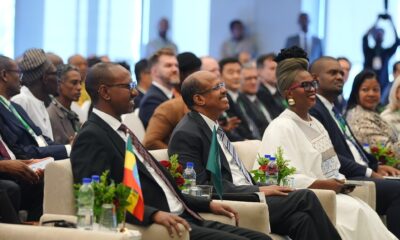

Accelerating Intra-Africa Trade and Sustainable Development -By Kestér Kenn Klomegâh
The AU Private Sector Forum has held several forums, with key recommendations. These recommendations provide valuable insights into the challenges...


Human Rights Day 2025: Advancing The Right To Food And The Rights of Africa’s Farmers -By Prof. Uche Ofodile
One of the most essential human rights is the right to adequate, safe, nutritious, and culturally appropriate food. This right...


Africa’s Democracy Time Bomb -By Patrick Iwelunmor
Africa is not lacking in potential; it is lacking in leadership. By virtue of its population, its resources and its...


Russia’s Lukoil Losses Strategic Influence Across Africa -By Kestér Kenn Klomegâh
United States sanctions has hit Lukoil, one of the Russia's biggest oil companies, like many other Russian companies, that has...


Inadvisability Of Worrying About The Osun Drama As Every First Lady Must Leave A Footprint -By Isaac Asabor
But here is the truth: there is absolutely no reason to worry. Nigerians are acting as though mild tension or...